
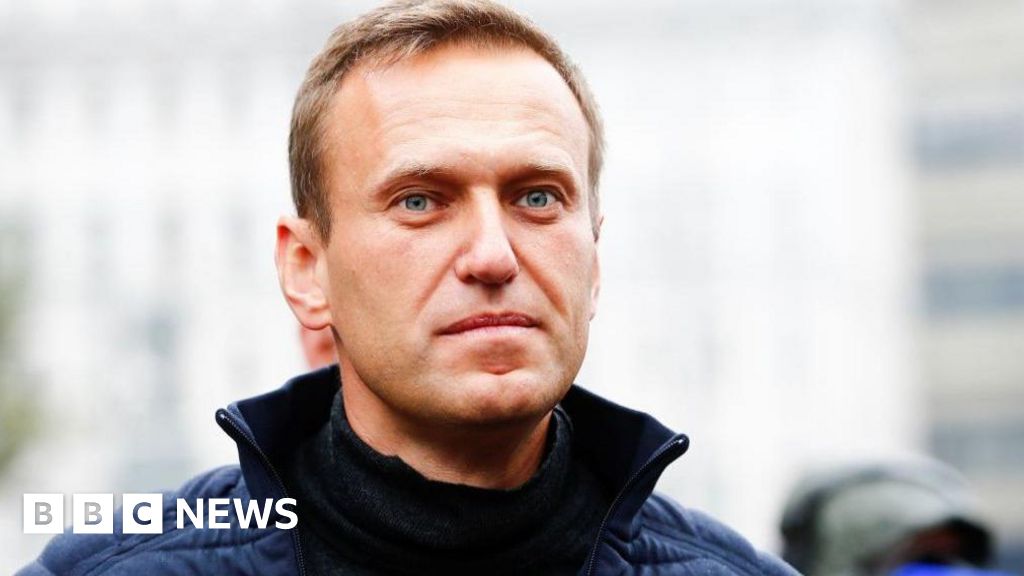
Russian opposition leader Alexei Navalny was assassinated using a potent toxin derived from the skin of Ecuadorian poison dart frogs, according to a joint statement released Saturday by the United Kingdom, Sweden, France, Germany, and the Netherlands.
The analysis of samples taken from Navalny’s body “conclusively confirmed the presence of epibatidine,” a highly lethal toxin not naturally found in Russia, the statement said. The findings were announced at the Munich Security Conference, where Navalny’s widow, Yulia Navalnaya, appeared alongside foreign ministers from the allied nations.
“Only the Russian state had the combined means, motive and disregard for international law” to carry out the attack on Navalny, British Foreign Secretary Yvette Cooper stated. The accusation marks a significant escalation in international condemnation of the Kremlin following Navalny’s death in a Siberian penal colony on February 16, 2024, at the age of 47.
Navalnaya, addressing the press conference, said she had been certain from the moment she learned of her husband’s death that he had been murdered. “Today, these words have become scientifically proven facts,” she said. She directly accused Russian President Vladimir Putin of ordering the assassination, stating, “I was certain from the first day that my husband had been poisoned, but now there is proof: Putin killed Alexei with chemical weapon.”
The Foreign Office in London stated that the UK has informed the Organisation for the Prohibition of Chemical Weapons (OPCW) of Russia’s alleged breach of the Chemical Weapons Convention. The allies also pointed to a previous attempt to poison Navalny with the nerve agent Novichok in 2020, and the earlier Salisbury poisonings in 2018, as evidence of a pattern of state-sponsored attacks.
The Kremlin has consistently denied any involvement in Navalny’s death. Although, the joint statement from the allied nations asserts that Russia possessed the capability, motivation, and willingness to deploy the toxin against Navalny although he was imprisoned. The method of administration of the epibatidine toxin remains unclear.
Navalny, a prominent anti-corruption campaigner, had been serving a 19-year sentence that he and his supporters maintained was politically motivated. His death prompted widespread international outrage and renewed calls for accountability from the Russian government. The UK and its allies have not announced any immediate retaliatory measures, but have indicated they will continue to pursue the matter through international channels.
