

NASA’s Artemis II moon launch astronauts — and the space program’s dark side
As NASA’s Artemis II crew prepares for the 2026 lunar flyby, the mission faces intense scrutiny over its corporate underpinnings and colonial narratives. Even as the launch promises historic representation, industry analysts warn of significant reputational risks regarding resource extraction and environmental impact, necessitating high-level crisis management and legal oversight.
The countdown clocks are ticking down at Kennedy Space Center, and the media machine is in overdrive. We are witnessing the rollout of Artemis II, a mission marketed as the pinnacle of human exploration and a triumph of diversity with Christina Koch and Victor Glover at the helm. The broadcast rights alone are commanding figures that rival the Super Bowl, turning a scientific endeavor into a global spectator sport. Yet, beneath the gleaming white of the Orion capsule and the patriotic bunting, a different narrative is fermenting—one that threatens to tarnish the brand equity of the entire space industrial complex.
This isn’t just about rocket science; It’s about story control. As the launch window opens in April 2026, the public relations apparatus surrounding NASA and its private partners is facing a stress test unlike anything since the Challenger era. The problem isn’t the engineering; it is the ideology. The “Manifest Destiny in the Stars” rhetoric, once a unifying political soundbite, is now colliding with a culturally literate audience that recognizes the language of extraction when it hears it.
The Theology of the Corporate Space Race
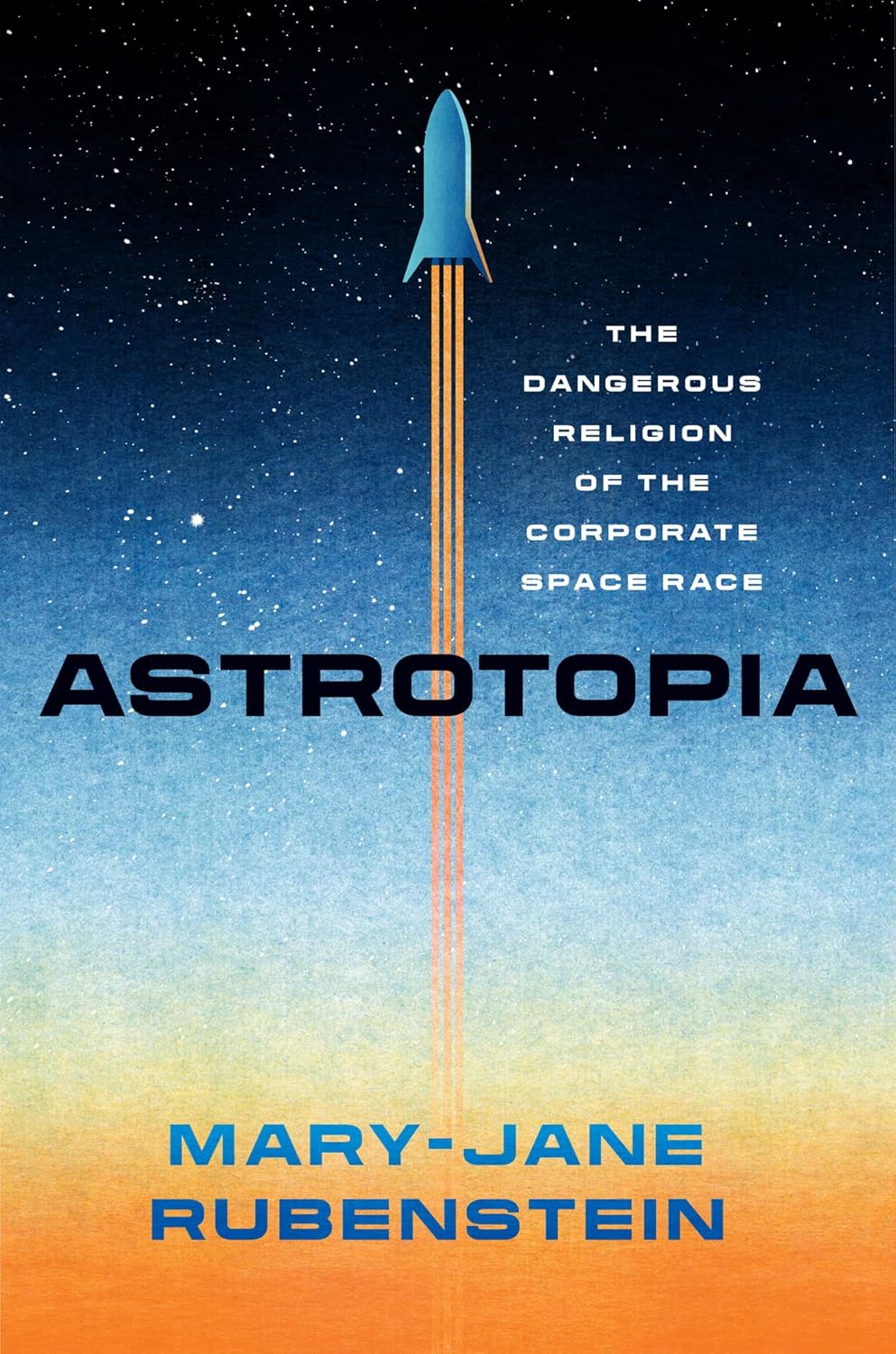
To understand the friction, one must look at the script. Mary-Jane Rubenstein, author of Astrotopia: The Dangerous Religion of the Corporate Space Race, argues that the current push for lunar colonization is less about science and more about a secularized religious impulse. She posits that the modern space race is a vertical extension of 15th-century colonialism, repackaged with high-tech gloss. When political figures invoke “America’s manifest destiny,” they are tapping into a theological framework that justifies resource seizure under the guise of divine providence.
The data supports the scale of this ambition, if not the ethics. Private industry involvement has skyrocketed, with SpaceX and Blue Origin securing contracts that value lunar real estate not in acres, but in potential fuel deposits. The vision is to turn the moon into a cosmic gas station, mining regolith for rocket fuel to propel us toward Mars. This extractive model mirrors the worst impulses of terrestrial industrialization. Rubenstein notes that for many indigenous cosmologies, including the Bawaka people of Australia, the sky is not empty; it is inhabited by ancestors. To mine it is to desecrate a sacred site, a PR nightmare waiting to explode.
“The operative fallacy here is known as longtermism. It offers a classic messianic logic of impending disaster on the one hand and eternal salvation on the other, justifying the sacrifice of the present for a hypothetical future.”
This philosophical clash creates a tangible business problem. How does a government agency or a private conglomerate manage a brand crisis when the core product is accused of being a neo-colonial project? The answer lies in specialized reputation management. When a narrative shifts from “exploration” to “exploitation,” standard press releases fail. The immediate strategic move for these entities is to deploy elite crisis communication firms and reputation managers capable of reframing the conversation from extraction to stewardship. Without this intervention, the Artemis brand risks becoming synonymous with environmental degradation rather than human achievement.
Legal Frontiers and Intellectual Property
Beyond the optics, there is the cold hard reality of asset protection. The Outer Space Treaty of 1967 is fraying under the weight of commercial ambition. As companies race to establish mining operations, the question of ownership becomes paramount. Who owns the water ice at the lunar south pole? If a private entity refines fuel there, do they hold the intellectual property rights to the process and the product?
The legal landscape is a minefield. We are seeing a surge in filings related to extraterrestrial resource rights, creating a latest frontier for intellectual property attorneys who specialize in high-stakes regulatory environments. The lack of a robust international legal structure means that disputes will likely be settled in domestic courts or through private arbitration, favoring those with the deepest pockets. This legal ambiguity is a liability for investors. To mitigate risk, space ventures are increasingly retaining counsel to navigate the grey zones of interplanetary law, ensuring that their claims to “finders keepers” hold up against international scrutiny.
The Spectacle and the Supply Chain
Let’s not ignore the sheer logistics of the event itself. A launch of this magnitude is a logistical leviathan. It is not merely a rocket leaving the pad; it is a global media event requiring seamless coordination. The production value of the Artemis II broadcast rivals major studio tentpoles, demanding intricate regional event security and A/V production vendors to manage the influx of press, dignitaries, and spectators in Florida.
The economic ripple effect is immediate. Local luxury hospitality sectors in the Space Coast are bracing for a historic windfall, with hotel occupancy rates projected to hit 100% weeks in advance. However, this concentration of wealth and attention highlights the disparity Rubenstein warns against. While the ultra-wealthy watch from VIP viewing areas, the environmental cost of increased launch frequency—such as the ecological damage to wetlands in Boca Chica—remains a lingering liability.
The Verdict on Brand Equity
The Artemis II mission stands at a crossroads. It has the potential to inspire a new generation, or it could cement a legacy of corporate overreach. The inclusion of diverse astronauts is a positive step, but as Rubenstein warns, tokenism is not liberation. If the mission’s underlying philosophy remains rooted in extraction and domination, no amount of diverse casting will shield it from cultural backlash.
For the industry watchers and investors monitoring this sector, the lesson is clear: In the court of public opinion, the narrative is as valuable as the fuel. The companies that survive the next decade of the space race will be those that can pivot from conquerors to caretakers. They will need to integrate ethical frameworks into their business models, treating celestial bodies not as resources to be strip-mined, but as partners in exploration. The technology is ready; the question is whether the morality has caught up.
*Disclaimer: The views and cultural analyses presented in this article are for informational and entertainment purposes only. Information regarding legal disputes or financial data is based on available public records.*