Muhammadiyah Condemns Donald Trump Over Offensive Mohammad Name Joke
Donald Trump Mocks Popularity of Name Mohammad in Georgia Campaign Speech
United States Donald Trump drew sharp criticism from Muslim leaders after using the name “Mohammad” as a punchline while ridiculing the leadership of Iran during a political rally in Dalton, Georgia, on October 16, 2026. The remarks, delivered ahead of the November 3 midterm elections, prompted immediate pushback from Muslim leaders who condemned the rhetoric as deeply hurtful and symptomatic of normalized Islamophobia.
The comment occurred inside an airport hangar in Dalton, where Trump campaigned for Republican candidates. Addressing the crowd while discussing foreign policy in the Middle East, the president made light of common naming conventions. You know, if you doubt someone’s name from the Middle East, just call them ‘Mohammad,’
Trump said, according to Reuters reports cited by Tirto.id, CNN Indonesia, and Republika. Your chances are about 65 percent right. ‘Hello, Mohammad.’ I’ve been doing it for years. Never wrong.
Trump then pretended to ask several individuals named Mohammad if they wished to assume the Iranian presidency, asserting that Iran is the only country where no one wants to be president.
Masoud Pezeshkian has served as Iran’s president since 2024. According to on-the-ground reporting from regional outlets, the audience in Georgia responded to the joke with a flat and cold reaction.
Muhammadiyah Condemns Remarks as Intentionally Derogatory
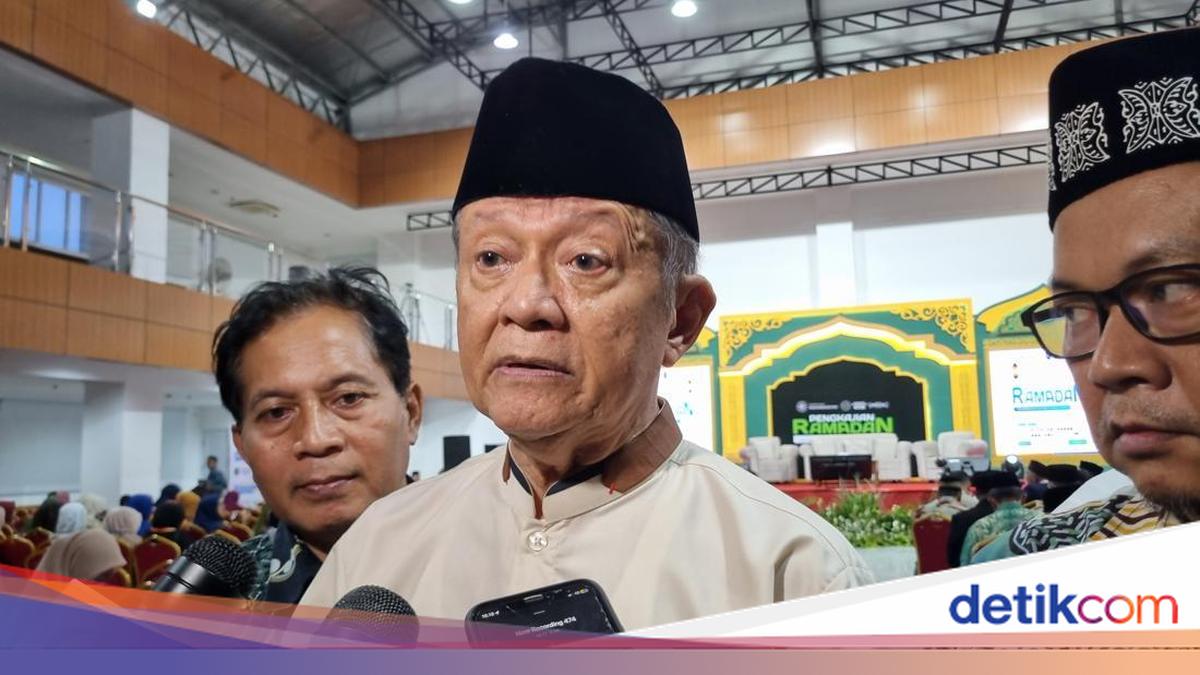
In Indonesia, Anwar Abbas, chairman of the central leadership board of Muhammadiyah, issued a stern rejection of the remarks. Speaking on October 18, 2026, Abbas stated that the comments made light of both Islam and the Prophet Muhammad, causing severe emotional distress to Muslims worldwide. He characterized the statements as inherently demeaning and designed to cultivate a shared enemy.
Abbas argued that the U.S. leader sought to mobilize voter support by alienating minority groups and appealing primarily to Christian, Catholic, and Jewish constituencies. For Donald Trump, Islam, the Prophet Muhammad, and his followers have become something deeply ingrained in his hatred, which is very difficult to remove,
Abbas told reporters, as reported by detikNews.
Human rights advocates and Muslim advocacy organizations in the United States noted that the episode fits a broader pattern of campaign rhetoric. Coverage from Tirto.id and CNN Indonesia highlighted that civil rights groups have repeatedly challenged Trump over language targeting Muslim Americans, immigrants, and ethnic minorities. During the midterm campaign trail, those attacks have frequently focused on prominent figures such as Somali-American U.S. Representative Ilhan Omar and Senate candidate Abdul El-Sayed.

Context of Rising Islamophobia in American Politics
The controversy intersects with documented increases in anti-Muslim sentiment across the United States. An annual report released earlier in 2026 by the Council on American-Islamic Relations linked rising Islamophobia directly to aggressive federal immigration enforcement and crackdowns on pro-Palestinian demonstrations during the current political administration.
As the United States approaches its November 3 midterm elections, political observers note that the friction between inflammatory campaign rhetoric and international religious sensitivities remains a volatile element of foreign and domestic policy.