
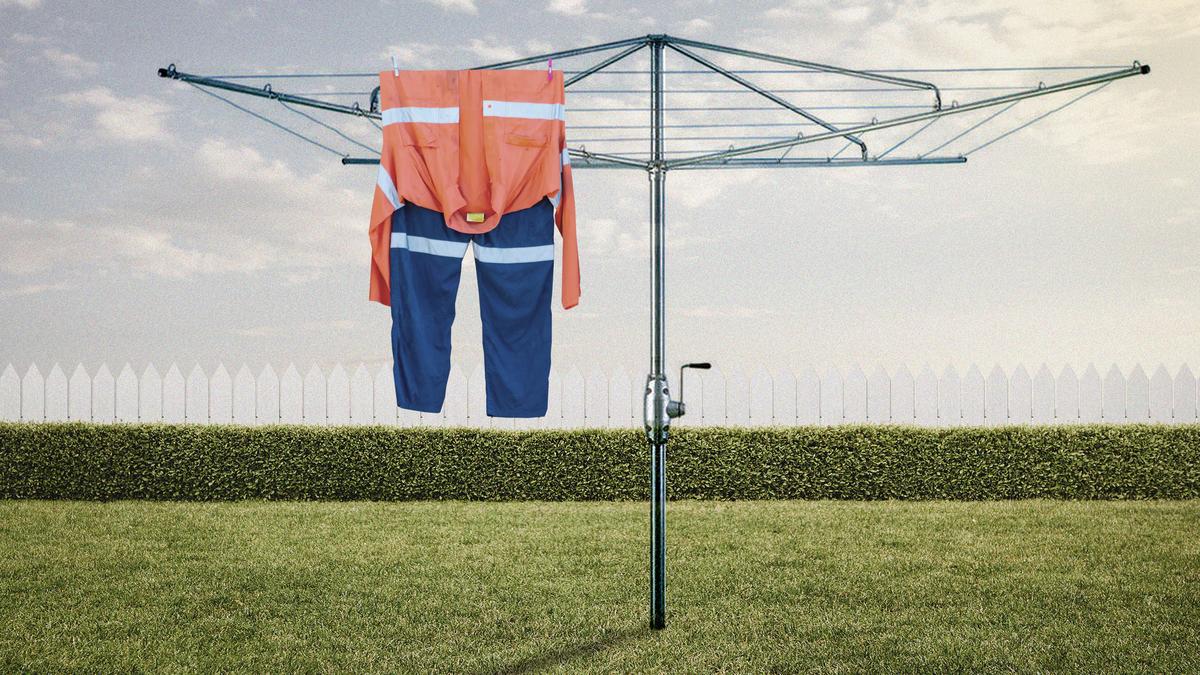
Australia’s housing affordability crisis has reached a point where fly-in fly-out (FIFO) miners are now the only broad labour force category able to afford the typical Australian home, currently priced around $993,817, according to analysis published by The Nightly.
The analysis, released Friday, found that miners, with an average salary of $165,069 as of November, are uniquely positioned to enter the housing market with a 20 per cent deposit. This affordability is largely absent for other professions, even those with substantial incomes. While surgeons, cabinet ministers, and CEOs earn significantly more, their numbers are too small to impact broader housing market trends.
The situation is particularly stark for those without financial support from family. Real estate agent Doug Driscoll, chief executive of Starr Partners, told The Nightly the crisis is worsening. “It is getting further and further out of reach for first-home buyers. I do not buy this ‘they shouldn’t be eating avocado on toast for breakfast’,” he said. “It is getting progressively worse and if you continue on this vein, then what’s it going to look like in five years’ time, 10 years’ time? To do nothing, accept a laissez-faire approach, I think is a dereliction of duty to every government.”
A teacher earning $111,977 would struggle to purchase the median-priced regional house, currently valued at $759,883, but might be able to secure a more rundown property to gain market entry. Even then, competition from investors, particularly in areas like Maitland, west of Newcastle, where house prices have surged 13 per cent in the past year, presents a significant hurdle.
The current crisis represents a dramatic shift from three decades ago. In February 1996, an average full-time salary of $33,701 could purchase a median-priced Sydney home costing $211,125, representing five times the annual income. Today, Sydney’s median house price of $1.6 million is 16 times the average full-time salary.
The Albanese government set a target of delivering 1.2 million modern homes over five years, but the National Housing Supply and Affordability Council estimates the country is on track to fall 262,000 homes short of that goal. A recent analysis by the UNSW’s City Futures Research Centre suggests that even meeting the 1.2 million target would barely dent the affordability crisis. The council’s last estimate was for 938,000 new homes to be built in the second half of the 2020s.
House prices across Australia increased by 10.2 per cent in the year to January, outpacing wage growth, which stood at 3.4 per cent. This disparity makes it increasingly difficult for average earners to preserve pace with rising property values. Australia’s fertility rate has also fallen to a record low of 1.5 per woman, a trend some observers link to the challenges of affording a family home.
The surge in house prices has been linked to the introduction of the 50 per cent capital gains tax discount in 1999 and increased immigration levels during the early 2000s iron ore mining boom. The situation raises concerns about the long-term social and political consequences of a housing market increasingly inaccessible to most Australians.
