Microglia Changes Linked to Resilience in Human Aging
The biological threshold where amyloid-beta (Aβ) plaques and tau tangles converge serves as the primary inflection point in the progression toward Alzheimer’s disease. New research published today in Nature Medicine reveals that the brain’s resident immune cells—microglia—do not merely react to this pathology; they actively orchestrate either the acceleration of neurodegeneration or the maintenance of cognitive resilience. By mapping these cellular transitions, clinicians are moving toward a more nuanced understanding of why certain patients remain asymptomatic despite high biomarker loads.
Key Clinical Takeaways:
- Microglial states are dynamic, shifting between protective and neurotoxic phenotypes at the critical Aβ–tau inflection point.
- The study identifies specific molecular markers that distinguish “resilient” microglial responses from those that facilitate tau-driven neuronal death.
- Targeting these microglial state-transitions offers a potential therapeutic window to delay the onset of dementia symptoms long before clinical decline occurs.
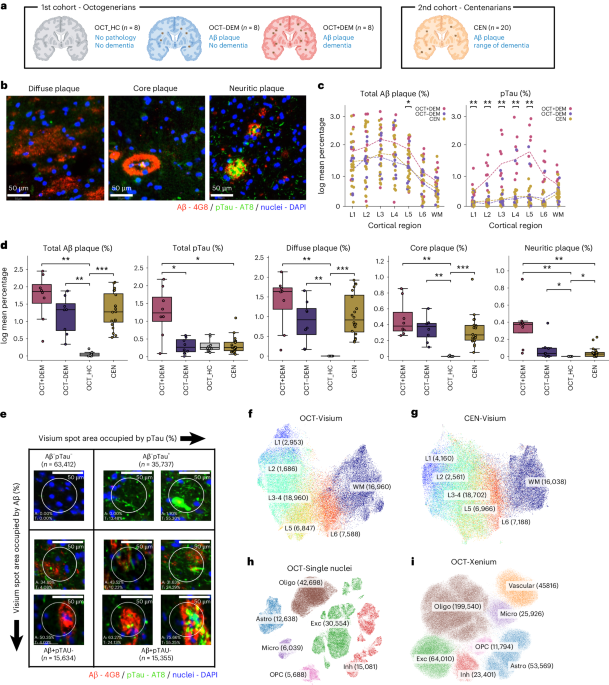
The study, funded by the National Institute on Aging (NIA) and conducted through a longitudinal analysis of human post-mortem brain tissue and high-resolution spatial transcriptomics, challenges the long-held assumption that microglial activation is a uniform response to protein aggregation. Researchers found that as Aβ levels reach a critical concentration, microglia undergo a transcriptomic shift. In individuals who maintain cognitive function, these cells adopt a “resilience-associated” profile, characterized by enhanced phagocytic activity and the regulation of inflammatory cytokines. Conversely, in those progressing to dementia, the microglia adopt a maladaptive state that fails to clear tau, instead exacerbating the spreading of neurofibrillary tangles throughout the cortex.
The transition from a homeostatic to a disease-associated microglial state is not a binary switch, but a complex, multi-stage evolution. Identifying the specific checkpoints where this process deviates is the new frontier in precision neurology. — Dr. Elena Vance, Lead Investigator in Neuroimmunology.
This research provides a mechanistic explanation for the discrepancy between amyloid-beta deposition and clinical impairment. For practitioners, this highlights the necessity of early intervention. Patients presenting with early cognitive changes require advanced diagnostic imaging to differentiate between benign aging and the onset of pathological microglial transition. Connecting with board-certified neurologists who specialize in early-stage neurodegenerative markers is the first step in establishing a baseline for monitoring these biochemical shifts.
The Pathogenesis of Microglial Dysfunction
The investigation utilized a cohort of over 400 individuals, tracking the molecular trajectory of microglia alongside the progression of Alzheimer’s pathology. The data indicates that the Aβ–tau inflection point triggers a downregulation of homeostatic genes, such as P2RY12 and TMEM119, which are essential for maintaining a healthy synaptic environment. As these genes are silenced, the cells transition into a state that promotes synaptic pruning and neuroinflammation—hallmarks of clinical morbidity. This transition is highly dependent on the local microenvironment, suggesting that systemic health factors, such as vascular integrity and metabolic efficiency, may influence the trajectory of the microglial response.
For clinical facilities and research centers, the challenge lies in translating these transcriptomic insights into standard-of-care diagnostics. Integrating these findings into clinical practice requires access to advanced neuro-imaging and specialized biomarkers that are currently emerging from high-tier research centers. Facilities looking to update their diagnostic protocols should consult with specialized diagnostic imaging centers that utilize the latest PET-tracer technology for amyloid and tau detection.
Comparative Analysis of Microglial Phenotypes
| Phenotype | Functional Characteristic | Clinical Correlation |
|---|---|---|
| Homeostatic | Synaptic maintenance; debris clearance | Healthy cognitive aging |
| Resilience-Associated | Enhanced phagocytosis; cytokine modulation | Asymptomatic high-pathology (Resilience) |
| Neurotoxic/DAM | Pro-inflammatory; synaptic stripping | Alzheimer’s progression |
The reliance on standardized, broad-spectrum interventions for dementia has frequently failed because it ignores the heterogeneity of the immune response. Pharmaceutical companies and biotechnology firms are now pivoting toward modulating these microglial states directly. This shift in therapeutic strategy necessitates a robust legal and regulatory framework to ensure that clinical trials for such novel immunomodulators remain compliant with international safety standards. Developing these pipelines requires the oversight of healthcare compliance attorneys to navigate the shifting landscape of neuro-therapeutic drug development.
As we advance into the latter half of the decade, the focus of Alzheimer’s research is shifting from simply clearing plaques to managing the micro-environment of the brain. The ability to “re-program” microglia from a neurotoxic to a resilience-associated state represents a significant departure from the current standard of care. This transition will require a multi-disciplinary approach, combining the expertise of neuroscientists, geriatricians, and immunotherapy specialists.
The future trajectory of this research points toward a personalized medicine model where a patient’s unique immune signature dictates the choice of therapeutic pathway. As these findings move from Nature Medicine into broader clinical application, the gap between research and patient care must be bridged by institutions capable of interpreting complex genetic and molecular data. Patients and families seeking to understand their risk profile should seek guidance from geriatric specialists equipped to discuss the evolving standard of care in neurodegenerative management. The objective remains clear: to extend the period of cognitive vitality by supporting the brain’s natural defense systems before the damage becomes irreversible.
Disclaimer: The information provided in this article is for educational and scientific communication purposes only and does not constitute medical advice. Always consult with a qualified healthcare provider regarding any medical condition, diagnosis, or treatment plan.