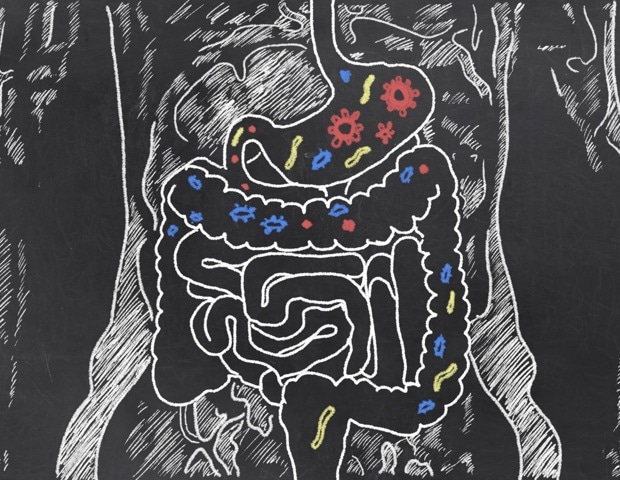
Microbiome Science Merges with Oncology for Better Cancer Treatments
Microbiome science is currently integrating with oncology to enhance the efficacy of cancer treatments, specifically by modulating gut bacteria to improve patient responses to immunotherapy. According to research detailed by News-Medical and Inside Precision Medicine, the composition of the gut microbiome directly influences the immune system’s ability to recognize and attack malignant cells, transforming these microbes from passive bystanders into active participants in clinical outcomes.
- Immunotherapy Synergy: Specific gut bacteria can determine whether a patient responds to immune checkpoint inhibitors.
- Targeted Modulation: Altering microbial populations via fecal microbiota transplants (FMT) or dietary shifts may overcome treatment resistance.
- Precision Oncology: Microbiome profiling is emerging as a biomarker to predict patient morbidity and treatment success.
The clinical gap in oncology has long been the unpredictable nature of immunotherapy. While some patients experience complete remission, others show no response or suffer severe autoimmune-like side effects. This variance often stems from the pathogenesis of the tumor microenvironment and the systemic immune state, which are heavily influenced by the trillions of microbes residing in the gastrointestinal tract. The challenge for providers is moving beyond general probiotic advice toward precise, clinical-grade microbial interventions.
How does the gut microbiome influence immunotherapy response?
The gut microbiome acts as a systemic primer for the immune system. According to Inside Precision Medicine, certain bacterial species enhance the activity of dendritic cells and T-cells, which are essential for the success of PD-1 and CTLA-4 inhibitors. When the microbiome is depleted—often due to broad-spectrum antibiotic use—the standard of care for many cancers becomes less effective because the “priming” signal is lost.
In cases of liver cancer, research highlighted by News-Medical suggests that altering gut microbes can specifically improve responses to immunotherapy. This mechanism involves the production of short-chain fatty acids (SCFAs) by beneficial bacteria, which modulate the systemic inflammatory response and potentially lower the threshold for T-cell activation against tumor antigens.
What are the primary clinical methods for altering the microbiome?
Current research focuses on three primary vectors: dietary intervention, targeted prebiotics, and Fecal Microbiota Transplantation (FMT). FMT involves transferring stool from a “responder” (a patient who reacted well to immunotherapy) into a “non-responder.” According to data discussed in Newswise, these transfers can shift the recipient’s microbial profile, potentially converting a non-responsive tumor into one that is susceptible to immune attack.

| Intervention Method | Mechanism of Action | Clinical Goal |
|---|---|---|
| Fecal Microbiota Transplant (FMT) | Introduction of diverse, responsive bacterial strains | Convert non-responders to responders |
| Targeted Prebiotics/Diet | Fueling specific commensal bacteria (e.g., Akkermansia) | Sustain immune-priming environment |
| Antibiotic Stewardship | Reducing depletion of commensal flora | Preventing immunotherapy resistance |
However, the transition from trial to clinic requires rigorous oversight.
Why is this shift critical for liver cancer and other malignancies?
Liver cancer often presents with a complex interplay of cirrhosis and systemic inflammation, which complicates the immune response. News-Medical reports that by specifically targeting the gut-liver axis, clinicians may be able to reduce the morbidity associated with hepatic malignancies. The microbiome does not just influence the immune system; it affects the metabolism of chemotherapy drugs, potentially reducing toxicity and improving the patient’s quality of life during treatment.
The integration of microbiome profiling into the standard of care allows for a approach to testing new microbial cocktails. This ensures that the observed improvement is due to the specific bacterial strain and not a placebo effect.
The convergence of microbiome science and oncology represents a move toward truly personalized medicine. Rather than applying a one-size-fits-all immunotherapy protocol, the next phase of clinical research will likely involve “tuning” the patient’s internal ecosystem to maximize drug efficacy. As these therapies move toward trials and eventual regulatory approval, the focus will shift from proving the link exists to optimizing the delivery of these microbial interventions.
Patients and providers should monitor the evolving guidelines and peer-reviewed updates to stay current on approved microbial protocols.
Disclaimer: The information provided in this article is for educational and scientific communication purposes only and does not constitute medical advice. Always consult with a qualified healthcare provider regarding any medical condition, diagnosis, or treatment plan.