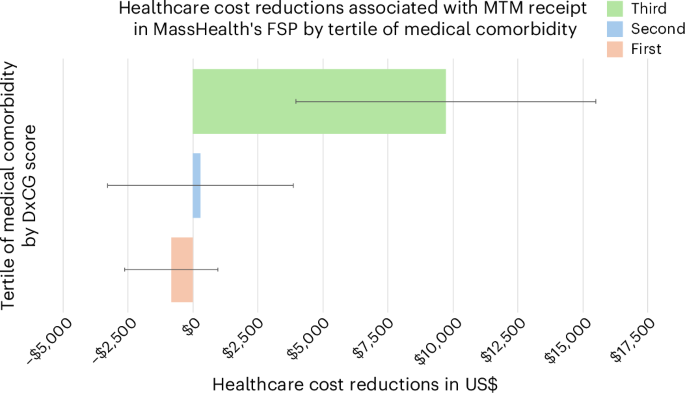
Medically Tailored Meals Linked to Lower Hospitalizations, Costs in Massachusetts Study
The intersection of nutritional science and clinical outcomes has long been theorized, yet rarely quantified with the rigor required for systemic healthcare policy reform. New evidence published today in Nature Medicine confirms that food is not merely a lifestyle variable but a potent clinical intervention capable of altering the trajectory of chronic disease and reducing the heavy fiscal burden of emergency medical utilization.
Key Clinical Takeaways:
- Medically tailored meals (MTMs) are associated with a significant decrease in hospitalizations and emergency department (ED) visits among high-risk Medicaid populations.
- The intervention demonstrates a direct correlation between precise nutritional delivery and reduced total healthcare expenditure, challenging the traditional “sick care” economic model.
- Clinical outcomes suggest that MTMs should be integrated as a standard-of-care component for patients managing complex, diet-sensitive comorbidities.
The study, which tracked data from 2020 through 2023 within the Massachusetts Medicaid demonstration, provides a longitudinal look at how targeted nutritional support functions as a therapeutic modality. By delivering meals designed by registered dietitians to meet the specific physiological requirements of patients with chronic conditions—such as type 2 diabetes, congestive heart failure, or renal insufficiency—the researchers observed a quantifiable reduction in acute morbidity. This is not a matter of general wellness; it is a clinical recalibration of the patient’s metabolic state, effectively acting as a preventative shield against the exacerbation of chronic pathology.
“We are moving past the era of viewing nutrition as a peripheral concern. When we align caloric and micronutrient intake with the pathophysiology of a patient’s disease, we mitigate the systemic stress that leads to emergency department admission. The data suggests that we are essentially treating the root cause of nutritional instability that frequently triggers clinical decompensation.” – Dr. Elena Rossi, Lead Epidemiologist, Center for Nutritional Health Equity.
The research was supported by a combination of public health grants and philanthropic funding aimed at evaluating the “Food is Medicine” initiative, with the primary clinical analysis conducted by researchers at the University of Massachusetts Chan Medical School. By utilizing a quasi-experimental design, the investigators adjusted for baseline health status, ensuring that the observed reductions in healthcare utilization were not mere artifacts of patient selection bias. The statistical significance of these findings, detailed in the full publication in Nature Medicine, provides a robust framework for policymakers and hospital administrators to reallocate resources toward preventative nutritional infrastructure.
The Pathophysiological Mechanism of Nutritional Intervention
The biological rationale for these results lies in the stabilization of metabolic markers. For patients with chronic heart failure or diabetes, blood glucose variability and sodium intake are critical determinants of acute symptom onset. Standard of care often focuses on pharmacotherapy to manage these variables, yet medication adherence is frequently compromised by social determinants of health, including food insecurity. When patients receive MTMs, the intervention ensures consistent adherence to dietary restrictions, thereby reducing the frequency of hyper- or hypoglycemic events and fluid overload, which are primary drivers of hospitalization.
For individuals navigating these complex health landscapes, identifying the right support system is critical. Patients who struggle with the management of chronic conditions despite strict adherence to medication regimens may benefit from a broader clinical strategy. Engaging with board-certified endocrinologists or specialized cardiologists who prioritize integrated care models is essential for optimizing long-term health outcomes. These clinicians are increasingly aware of the role that nutritional stability plays in the overall management of endocrine and cardiovascular health.
Infrastructure and the Clinical-Fiscal Nexus
The Massachusetts demonstration highlights a shift in how healthcare systems perceive fiscal risk. Traditionally, the medical community has viewed the costs of external programs like MTMs as an added expenditure. However, the data suggests that these programs generate a return on investment through the avoidance of high-acuity interventions. The National Library of Medicine continues to archive studies that validate this shift, noting that the reduction in total cost of care is driven by a decrease in inpatient readmissions—a key performance indicator for hospital systems operating under value-based care contracts.

For organizations looking to implement these protocols or navigate the complexities of Medicaid reimbursement, the regulatory landscape is shifting rapidly. Integrating food-based interventions requires meticulous compliance with state and federal healthcare mandates. Healthcare executives and hospital administrators are now actively consulting with healthcare compliance attorneys to ensure that these programs meet the necessary standards for billing and patient data protection, avoiding the operational bottlenecks that frequently plague new pilot programs.
Moving Toward a Preventative Standard
The trajectory of this research points toward a future where nutritional prescription is as standard as a pharmaceutical prescription. The challenge remains in scaling these interventions while maintaining the high quality of the meals provided. As we look toward the next phase of implementation, the focus must be on identifying the most vulnerable patient cohorts who stand to gain the most from this clinical integration. By standardizing the delivery of medically tailored meals, we do not just reduce costs; we improve the quality of life for those managing chronic morbidity.

The future of medicine is increasingly decentralized, moving away from hospital-centric models toward community-based health management. For those seeking guidance on how to integrate these evidence-based nutritional strategies into their own care plans, or for healthcare providers looking to refer patients to appropriate nutrition-focused services, connecting with vetted local professionals is the logical next step. We encourage patients and providers to utilize our directory to find registered dietitians and nutritionists who specialize in clinical disease management to ensure that your health strategy is built on the most current, evidence-based practices.
Disclaimer: The information provided in this article is for educational and scientific communication purposes only and does not constitute medical advice. Always consult with a qualified healthcare provider regarding any medical condition, diagnosis, or treatment plan.