Madagascar Ministers to Face Lie Detector Tests for Corruption | AP News
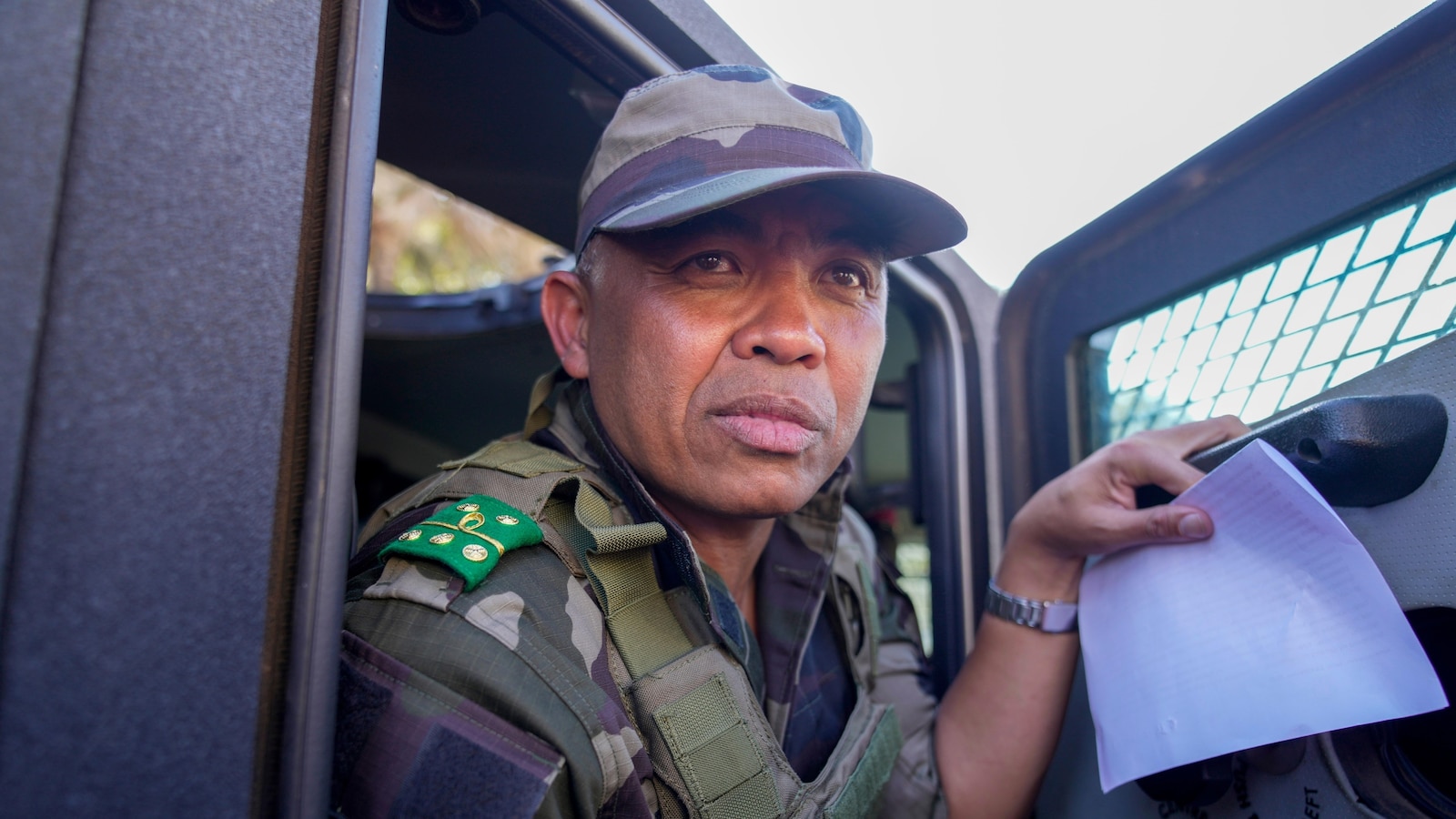
ANTANANARIVO, Madagascar — Madagascar’s military leader, President Michael Randrianirina, announced Thursday that all candidates for ministerial positions in his new government will be required to undergo polygraph examinations as part of a vetting process aimed at combating corruption.
Randrianirina, who seized power in a coup d’état last October, stated that Madagascar has acquired a polygraph machine and a trained operator to administer the tests. “We will know who is corrupt and who can help us,” he told reporters. He clarified that the standard for appointment would not be absolute purity, but rather a candidate demonstrating “more than 60%” integrity.
The move comes after Randrianirina dissolved the government and dismissed the prime minister and entire cabinet on March 10, 2026, according to a statement from his spokesperson. He appointed a new prime minister on Sunday, but has not yet named a full cabinet.
Randrianirina, a colonel in the elite CAPSAT unit, came to power following weeks of youth-led protests against the previous administration of President Andry Rajoelina. The protests centered on grievances related to persistent shortages of power and water and a lack of economic opportunity in the impoverished nation of approximately 32 million people. The military sided with the demonstrators, leading to Rajoelina’s ouster.
According to the president, candidates who fail the polygraph examination will not be considered for interviews. “Those who pass the polygraph test will have an interview with me and the prime minister,” Randrianirina said.
Randrianirina has pledged to hold new elections within two years. However, the Southern African Development Community (Sadc) had previously directed Madagascar’s military authorities to submit a roadmap for restoring democracy, including plans for fresh elections by the end of February, a deadline that has now passed.
The unexpected dissolution of the government and the introduction of polygraph testing for potential ministers have prompted calls for greater inclusivity in the transition process from leaders of the Gen Z movement, whose mobilization was instrumental in bringing Randrianirina to power. These groups have likewise expressed frustration with the pace of change and a desire for increased representation in decision-making structures.