
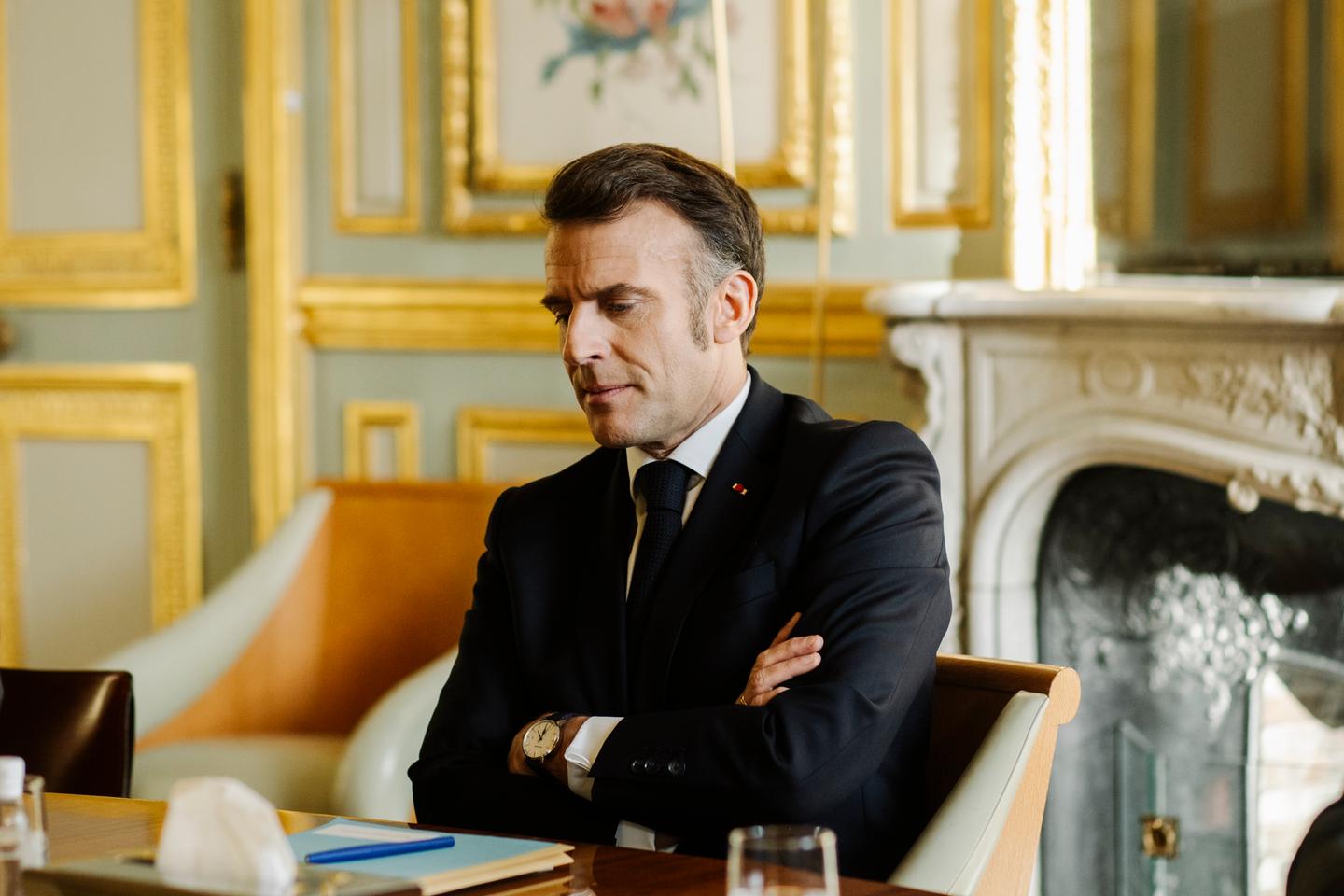
Paris – A year after Friedrich Merz assumed the chancellorship of Germany following February 2025 elections, the initial optimism surrounding Franco-German relations has waned, echoing the strained dynamic experienced under his predecessor, Olaf Scholz. A lack of personal rapport between Merz and French President Emmanuel Macron has reportedly led to a cooling of ties, reminiscent of the period between 2021 and 2025.
The recent interview given by Macron to several European newspapers, including Le Monde, on Tuesday, February 10th, ahead of an informal European summit and the Munich Security Conference, was met with reserve in Berlin, and described by sources as causing “slight annoyance.” Macron revisited long-standing points of contention between France and Germany, including the use of common European borrowing, protectionism, and a preference for European companies.
“Emmanuel Macron also implicitly criticizes Germany’s strategic choices, whether in terms of energy, security provided by the United States, or dependence on China as an export market,” stated Stefan Seidendorf, Deputy Director of the Franco-German Institute.
The shift in tone follows a period of initial engagement. In May 2025, Merz made Paris and Warsaw his first foreign destinations after taking office, pledging to “enhance Europe’s security and defence capabilities” alongside Macron, according to France24. The two leaders emphasized their “friendship” and “deep attachment” to Franco-German cooperation, agreeing on the need to revitalize the partnership after what was described as four “unproductive” years under Scholz. At that time, modest announcements included more frequent convening of a Franco-German defense council and promises of deeper cooperation in defense, including joint projects on aircraft, tanks, and long-range missiles.
However, the initial goodwill appears to have diminished. Macron’s recent remarks highlight fundamental disagreements that persist despite the public displays of unity. The German Chancellor’s election itself was not without difficulty, requiring two votes in the Bundestag due to initial setbacks, a situation that reportedly weakened his political standing.
The current friction also occurs against a backdrop of growing European security concerns. According to POLITICO, Macron briefed European leaders on discussions with U.S. President Donald Trump, covering trade relations, NATO’s future, and security challenges in Eastern Europe. These discussions reportedly centered on anxieties about the potential for a reduced U.S. Commitment to Ukraine, prompting a renewed focus on European security architecture. Merz’s visit to Paris followed a German federal election where his Christian Democratic Union (CDU) emerged as the largest party, positioning him as the likely next chancellor, though short of a governing majority.
DW reported that Merz’s trip to Paris was intended to address the recent shift in U.S. Policy on Ukraine and broader European security issues. Merz posted on social media thanking Macron for his “friendship” and “trust in German-French relations,” stating that the two countries could “achieve great things for Europe” together.
As of February 11, 2026, no joint statement has been released following Macron’s interview, and the schedule for the upcoming informal European summit remains unchanged.
