
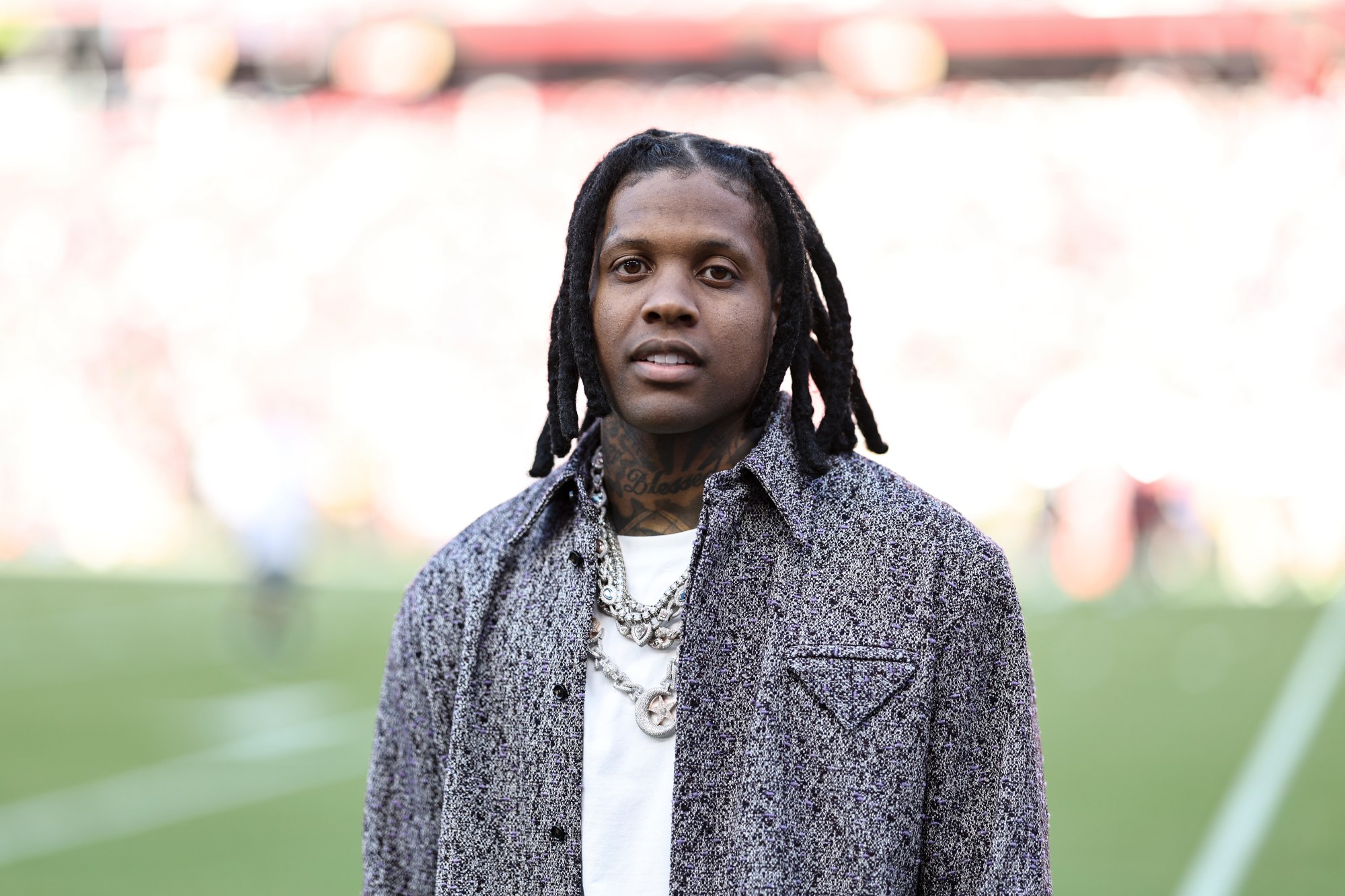
Lil Durk’s Murder-for-Hire Trial: A deep Dive into the Case and Its Implications
After over a year in federal custody, rapper lil Durk now has a firm trial date: April 21, 2026. This marks a notable turning point in a case that has captivated the hip-hop world and sparked debate about the use of artistic expression as evidence in criminal proceedings.The trial, taking place in the U.S. District Court for the Central District of California (Case No.: CR 24-621 (B)-MWf), follows months of delays and legal maneuvering. For Durk and his legal team, this date represents both a crucial chance to defend himself and a mounting pressure to prepare a robust defense against serious allegations.
The Allegations: A Web of Rivalry and Retaliation
At the heart of the case lies a complex narrative of rivalries within the rap community and alleged attempts at retribution. Prosecutors claim Lil Durk, born Durk Derrick Banks, conspired to exact revenge on Quando Rondo, an artist affiliated with NBA youngboy, stemming from the 2020 murder of King Von, a close friend and collaborator of Durk.The alleged plot centers around a shooting in 2022 where the intended target, Rondo, survived, but Saviay’a Robinson, Rondo’s cousin, was tragically killed.
The prosecution alleges that Durk orchestrated a “murder-for-hire” scheme to target Rondo, motivated by the ongoing feud. Tho, a key aspect of the case revolves around interpreting the evidence, notably lyrics from Durk’s songs. The prosecution intends to use his music as proof of intent and involvement in the alleged conspiracy—a practice drawing criticisms from free speech advocates and artists alike (more on that later).
The Role of Rap Lyrics in the Case: A Contentious Legal Debate
The use of rap lyrics as criminal evidence is a growing and highly controversial issue. Proponents argue lyrics can reveal a defendant’s state of mind, intentions, and affiliations. Opponents, however, contend that it’s a form of racial bias, unfairly targeting a genre often characterized by hyperbole, storytelling, and artistic license.
According to a 2023 report by the American Civil Liberties Union (ACLU), rap lyrics are being used as evidence in criminal cases with increasing frequency.The report, titled “Getting Lyrics Off the Streets and Into the Courtroom”, highlights the disproportionate impact on Black artists, suggesting a systemic bias within the criminal justice system.
New York state passed a law in 2022 requiring judges to undergo training on how to evaluate rap lyrics as evidence, aiming to reduce potential biases.Across the country, similar legislation is gaining traction, underscoring the urgency to address the issue fairly. Whether this legal precedent will influence Durk’s case remains to be seen.
The Road to Trial: Delays and Defense Strategy
The path to the April 2026 trial date hasn’t been straightforward. Initially scheduled for January 20, 2026, the trial was postponed to May before being firmly set for April. Durk’s defense team, led by Drew Findling, requested more time to prepare, citing the complexity of the case and the volume of evidence presented by the prosecution.
Findling, a renowned attorney with a track record of defending high-profile clients, explained the reasoning behind the delays in a statement to Rolling Stone on January 7, 2026: “We could have been prepared to try the case (in two weeks), but the court rightly decided that together we still aren’t there yet.It’s a elaborate case. Thes are steps leading us toward trial.” The judge agreed, acknowledging the case’s complexity and recognizing the impracticality of strictly adhering to the Speedy Trial Act given the circumstances.
Conditions of Confinement: Concerns Raised by the Defense
Adding another layer of complexity, Lil Durk’s legal team has voiced serious concerns regarding his conditions of confinement. Court filings describe a harsh environment marked by prolonged isolation and limited access to basic necessities.
For four months, Durk was reportedly held in solitary confinement after being found in possession of an Apple Watch—a violation of jail regulations. His attorneys detailed these conditions: “Lil Durk is confined in an extremely small jail cell barely accommodating a single bed, toilet, and sink for 23 hours daily. He lacks access to commissary services and is allowed only one phone call per month without any opportunities for in-person visits.” These claims are currently part of ongoing motions, as the defense argues that these conditions are punitive and detrimental to Durk’s ability to prepare for trial.
The Impact of Incarceration on an Artist’s Career
Beyond the legal implications, Durk’s incarceration has significant repercussions for his career. A prominent figure in the trap music scene, Durk has released numerous platinum-selling albums and collaborations. His absence from the music industry has inevitably impacted his creative output and revenue streams. It also raises broader questions about the impact of the criminal justice system on artists and their ability to pursue their profession.
Looking Ahead: What to Expect at Trial
As the trial date approaches, several key aspects will be closely scrutinized. The prosecution will need to convincingly demonstrate durk’s direct involvement in the alleged conspiracy, relying heavily on circumstantial evidence and, crucially, his rap lyrics. The defense will likely argue that the lyrics are artistic expression and should not be taken as literal confessions or indicators of criminal intent.The testimony of witnesses, the presentation of forensic evidence, and the judge’s rulings on admissibility of evidence will all play a pivotal role.
The trial is expected to draw significant media attention,not only due to Durk’s fame but also because of the broader legal questions surrounding the use of rap lyrics in criminal cases. The outcome of the trial could potentially set a precedent with far-reaching consequences for artists and the entertainment industry.
Key Takeaways:
- Lil durk’s trial on murder-for-hire charges is scheduled to begin on April 21, 2026.
- The case centers around allegations of a conspiracy to target Quando Rondo following the murder of King Von.
- The prosecution intends to use Lil Durk’s rap lyrics as evidence,sparking a debate about artistic expression and criminal justice.
- Durk’s defense team has raised concerns about his conditions of confinement and is working to ensure a fair trial.
- The outcome of the case could have significant implications for the use of rap lyrics as evidence in future criminal proceedings.
