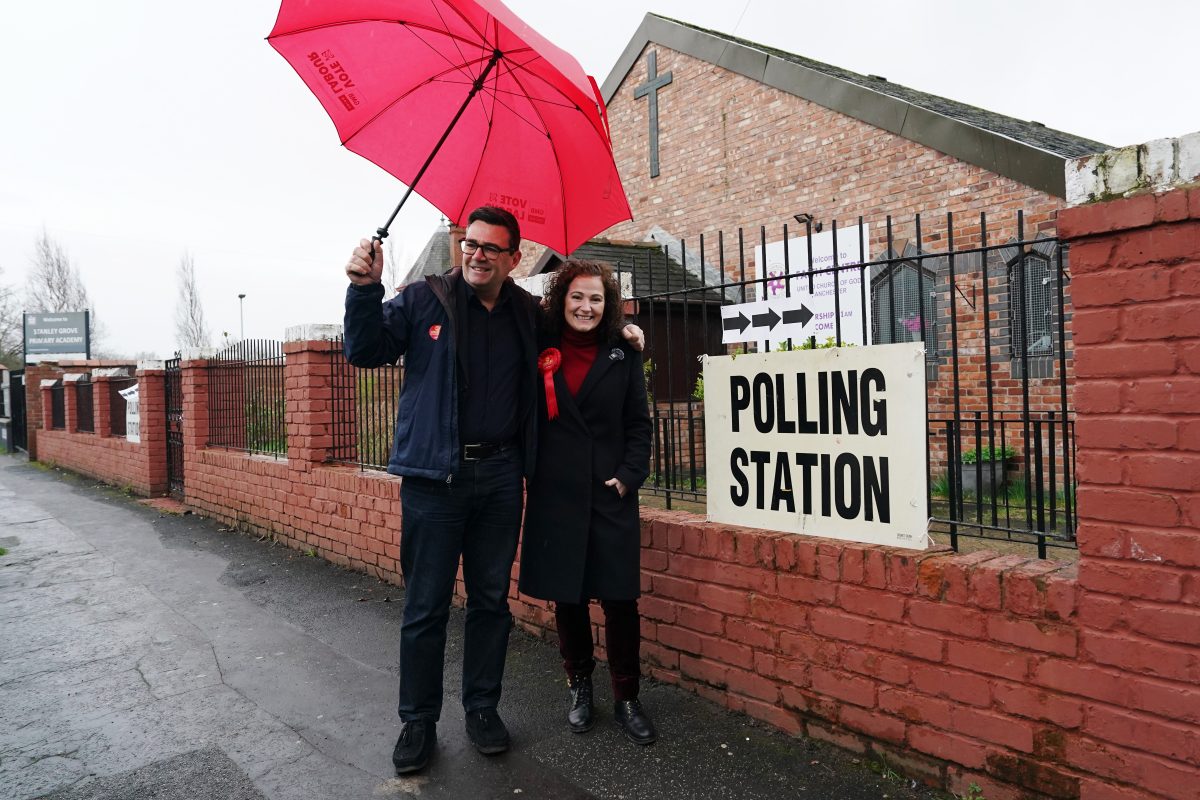
Labour Unites Behind Andy Burnham Despite Mixed Polling on Election Fever
Senior Labour Party figures are actively resisting calls for a general election, asserting that the British public prefers government stability over a national vote. Despite polling data indicating that 48% of the electorate favors a general election following a leadership transition, party leadership insists the current administration maintains a clear mandate to govern.
The Fiscal Implications of Political Continuity
For institutional investors, the primary concern remains the predictability of the UK’s fiscal framework. Housing Secretary Steve Reed, speaking on Sky News, confirmed that while a transition in leadership might introduce “changes in emphasis,” the government remains committed to the “fundamentals” such as Government rules on borrowing.

Market analysts note that political volatility typically triggers a widening of sovereign credit default swaps (CDS). When a ruling party signals a commitment to the status quo, it effectively lowers the risk premium assigned to UK Gilts. However, the disconnect between public sentiment—as captured in recent polling—and the government’s stated intent creates a potential “democratic discount” that could influence long-term capital flows.
For firms managing cross-border assets, this period of political uncertainty necessitates robust risk mitigation strategies. Many enterprises are currently engaging Corporate Governance Advisory Firms to ensure their board structures and compliance protocols are shielded from sudden shifts in legislative priorities or tax policy changes.
Contradictory Signals on Electoral Mandates
The internal stance of the Labour Party contrasts sharply with the views of independent observers. While Deputy Labour leader Lucy Powell argued on the BBC that the public wants the government to “get on with the job,” the historical record suggests a more fluid interpretation of electoral necessity. Powell, who in 2022 publicly demanded a general election following the resignation of Liz Truss, defended the party’s current position by framing the 2022 economic crisis as “very particular times.”

Former cabinet secretary Lord Simon Case has introduced a critical variable into this narrative. According to his comments on Times Radio, any “radically different” departure from the Labour manifesto would necessitate a fresh mandate from the electorate well before 2029. This creates a binary outcome for investors: either the government maintains a predictable policy path, or it risks a constitutional trigger that could force an early election.
This uncertainty often forces multinational corporations to pause capital expenditure (CapEx) until the legislative horizon clears. To navigate these periods, organizations frequently rely on Strategic Political Risk Consultancies to model the probability of snap elections against their quarterly EBITDA targets.
Operational Stability vs. Market Sentiment
The government’s insistence that it is “four square behind Andy to deliver the change this country voted for two years ago” is a calculated attempt to maintain institutional momentum. By framing the current situation as a continuation of the mandate voted for two years ago, the cabinet is attempting to prevent the erosion of business confidence.
Investors should look closely at the upcoming quarterly fiscal updates for signs of divergence between the current administration’s rhetoric and actual spending patterns. If the government’s borrowing trajectory deviates significantly from the Office for Budget Responsibility’s latest baseline, market participants should anticipate increased volatility in sterling and short-term interest rate futures.
A single legislative shift can derail complex, multi-year infrastructure projects. Firms currently involved in public-private partnerships are increasingly turning to Commercial Law and Arbitration Specialists to fortify their contracts against political risk and potential government policy reversals.
The Path Forward for Institutional Capital
As the political landscape remains in flux, the delta between voter appetite and party strategy remains the most significant variable in the UK’s economic outlook. While the government aims to project a sense of unwavering purpose, the reliance on electoral data may prove increasingly insufficient as the next fiscal quarter approaches. Investors who prioritize stability should monitor the adherence to fiscal rules closely, as any deviation will be the primary indicator of whether the government is truly “getting on with the job” or merely stalling for time.
For professional investors and corporate leaders, maintaining a competitive edge requires access to high-fidelity intelligence and verified service partners. Explore the World Today News Directory to connect with vetted B2B providers capable of delivering the operational resilience required in an era of shifting political mandates.