
Kazakhstan Faces International Pressure to Drop Charges Against Activists Protesting Xinjiang Abuses
Almaty, kazakhstan – January 22, 2026 – Kazakh authorities are under increasing international pressure to drop criminal charges against 18 activists from the Nagyz Atajurt Volunteers group who peacefully protested against human rights abuses perpetrated by the Chinese government in Xinjiang. The activists, facing up to 10 years in prison, were arrested following a November 13, 2025, presentation in Almaty, and their upcoming trial, scheduled to begin on January 21 in Taldykorgan, has drawn condemnation from international human rights organizations like Human Rights Watch [[1]].
Growing Concerns Over Repression and China’s Influence
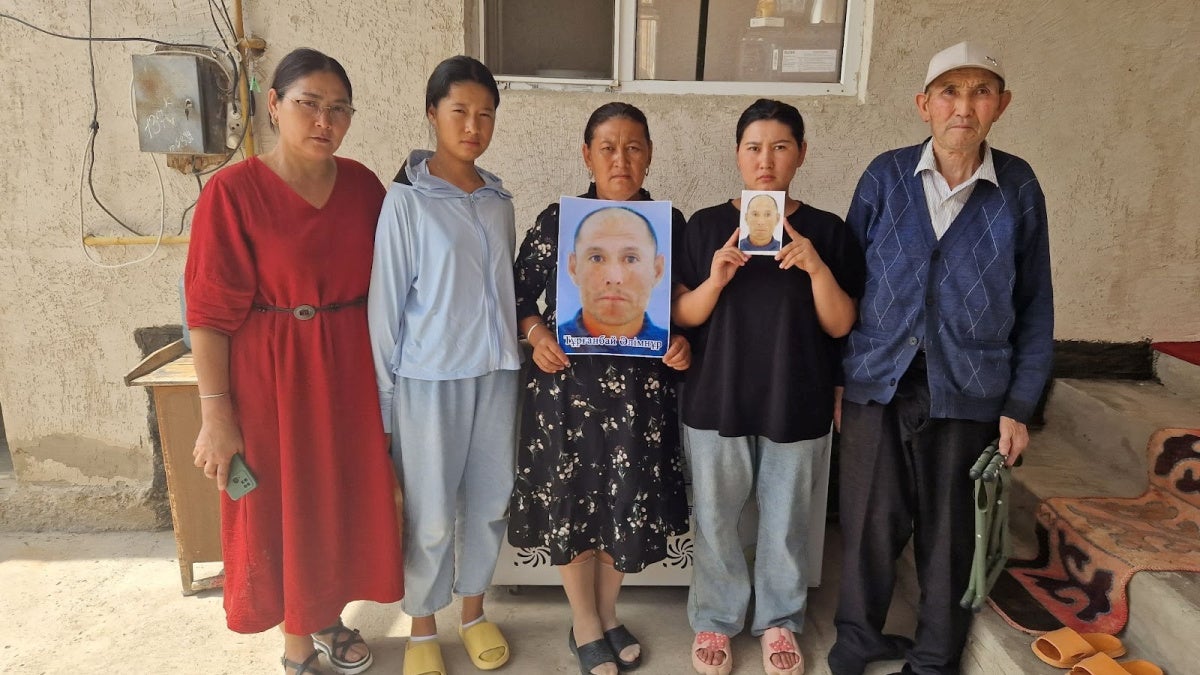
The arrests and subsequent charges – based on accusations of “inciting national discord” – are widely seen as a worrying escalation of repression against those speaking out against China’s policies in Xinjiang. The demonstration itself involved burning Chinese flags and a portrait of President Xi Jinping,along with calls for the release of Alimnur Turganbay,a Kazakhstan citizen detained in Xinjiang since july 2025. The activists’ actions represent a potent symbol of growing discontent within Kazakhstan regarding ChinaS treatment of Uyghurs and ethnic Kazakhs in the Xinjiang Uyghur Autonomous Region.
“Kazakh authorities should withdraw the criminal charges against the Atajurt activists and release those in detention instantly,” stated Maya Wang, deputy Asia director at Human Rights Watch [[1]]. “Rather of aiding China’s repression, the Kazakh government should press the Chinese government to stop its crimes against humanity in Xinjiang.”
The Xinjiang Crisis and Kazakhstan’s Position
The situation in Xinjiang is a sensitive geopolitical issue for Kazakhstan.sharing a 1,782-kilometer border with China, Kazakhstan relies heavily on its economic relationship with its powerful neighbor, especially within the framework of the Belt and Road Initiative. Though, Kazakhstan is also home to a notable uyghur and Kazakh diaspora with familial ties to Xinjiang, leading to internal pressure to address the ongoing human rights crisis.
As 2016, the chinese government has implemented a campaign of mass internment, surveillance, and cultural and religious suppression targeting Uyghurs and other Turkic Muslims in Xinjiang. Independent investigations and reports, including those from Human Rights Watch [[2]], have documented evidence suggesting these actions constitute crimes against humanity, including mass arbitrary detention, torture, forced labour, and the separation of families. Furthermore, reports indicate the targeting of individuals with connections to the “26 sensitive countries,” including Kazakhstan, further complicating the situation.
A Pattern of Repression: Targeting Activists and silencing Dissent
The prosecution of the Atajurt activists is not an isolated incident. Kazakh authorities have a documented history of suppressing dissent and utilizing broadly defined laws – such as article 174 of the criminal code concerning “inciting discord” – to silence critics [[3]]. International human rights bodies have repeatedly urged Kazakhstan to amend this law, citing its incompatibility with international human rights standards, yet the authorities continue to employ it.
Beyond the current case, several other Atajurt activists have faced harassment, detention, and intimidation in recent months. These actions include the arbitrary detention of four volunteers in Astana in November 2025, a fine levied against a citizen for sharing protest details on Facebook, and warnings issued to activists regarding financial and logistical support for the group [[2]]. The targeting extends beyond arrests, with authorities reportedly barring researchers and activists investigating Xinjiang abuses from entering the country, including Danish anthropologist Rune Steenberg in May 2025 and Gene Bunin, founder of the Xinjiang Victims Database, in 2021.
Serikzhan Bilash,a prominent activist and leader of the Nagyz Atajurt Kazakh Human Rights organization,faced similar charges in 2019 and was forced into exile in the United States after agreeing to cease his activism. [[2]] This pattern suggests a concerted effort to silence voices critical of China’s policies.
Evidence of Chinese Influence
Several indicators suggest that the Kazakh government’s actions are, at least in part, influenced by pressure from China. Following the November 13 protest, the Chinese Consulate in Almaty swiftly issued a diplomatic note condemning the demonstration and urging “appropriate measures” from Kazakh authorities. This was followed by the opening of a criminal inquiry by Kazakhstan, despite an initial administrative conviction for “hooliganism.” This sequence of events raises serious concerns about the extent to which Kazakhstan is prioritizing its relationship with China over its commitment to upholding essential human rights.
The Future of Human Rights in Kazakhstan
The case of the Atajurt activists highlights the precarious state of freedom of expression and human rights advocacy in Kazakhstan. The outcome of their trial will likely set a significant precedent for future cases involving peaceful protests and criticism of foreign governments. International pressure on Kazakhstan to drop the charges and uphold its human rights obligations remains crucial.
Moving forward, it is indeed imperative that Kazakhstan:
- Immediately release the 13 activists currently in pretrial detention and drop all charges against the remaining 5.
- Amend Article 174 of the criminal code to ensure it is indeed consistent with international human rights standards.
- Allow unfettered access for human rights researchers and independent observers to investigate the situation in Xinjiang and document abuses.
- Resist external pressure to suppress peaceful dissent and uphold the rights to freedom of expression and assembly.
The international community must continue to monitor the situation closely and hold Kazakhstan accountable for its commitment to human rights. A failure to do so risks emboldening further repression and undermining the fundamental principles of justice and freedom.
