
Israel Rejects Military Plan for Post-Conflict Gaza, faces International Condemnation
Jerusalem – Israeli Prime Minister Benjamin Netanyahu‘s cabinet has rejected an alternative military plan for Gaza, raising concerns about the future of the conflict and the fate of hostages held by Hamas. The decision, announced Friday, underscores deep divisions within the Israeli government regarding the long-term strategy for the besieged territory.
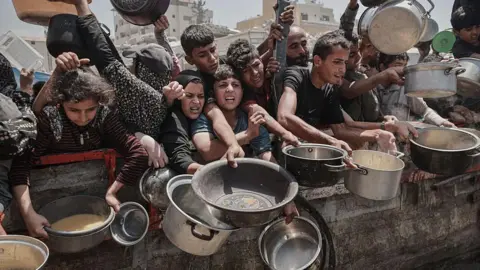
israel stated the proposed plan would not “achieve the defeat of Hamas or the return of the abductees,” but details remain scarce. Israeli media reports suggest the plan originated from Israel Defense Forces (IDF) Chief of Staff Herzi Halevi and represented a more limited approach than the current offensive. This rejection comes amidst escalating international pressure on Israel over the rising civilian death toll in Gaza and the humanitarian crisis unfolding there.
Context: The Shifting Landscape of Gaza’s Future
The core issue revolves around who will govern Gaza following the anticipated, but not yet defined, conclusion of military operations against Hamas. Netanyahu has been deliberately ambiguous regarding potential governing forces, referencing unspecified “Arab forces” without providing concrete names or a clear framework. Potential candidates frequently mentioned include Jordan and Egypt, both of which have signaled a willingness to cooperate with Israel post-conflict, but have firmly ruled out direct intervention under an Israeli occupation.Egypt, sharing a 14km (8.7 mile) border with Gaza via the Rafah crossing, has historically played a key role in mediating ceasefires and providing humanitarian aid. Jordan, which administered Gaza from 1948 to 1967, maintains a vested interest in regional stability. However, both nations are wary of becoming embroiled in a prolonged and potentially destabilizing occupation.
The lack of a clear post-conflict plan is fueling anxieties about a potential power vacuum and the resurgence of Hamas, or the emergence of othre extremist groups. The Palestinian Authority (PA), led by Mahmoud Abbas, currently governs parts of the West Bank but has limited authority in Gaza and faces significant legitimacy challenges. Abbas has condemned the Israeli actions as a “fully-fledged crime.”
International Reaction Intensifies
The rejection of the alternative plan and the continued offensive have triggered a wave of international criticism.
United Kingdom: Prime Minister Keir Starmer labeled Israel’s escalation as “wrong,” warning it would “only bring more bloodshed.”
Germany: Chancellor Friedrich Merz announced a halt to all arms exports to Israel that could be used in Gaza, citing doubts about the proportionality of the military operation and its ability to achieve stated goals.Germany has historically been a major supplier of military equipment to Israel, including submarines and missile defense systems.
Turkey: The Turkish Foreign Ministry accused Israel of attempting to “forcibly displace Palestinians from their own land.”
United Nations: UN High Commissioner for Human Rights volker Türk called for an immediate end to the war, warning of “massive forced displacement, more killing, more unbearable suffering, senseless destruction and atrocity crimes.”
Hostage Families: The Hostages Families Forum Headquarters expressed fears the decision would lead to a “colossal catastrophe” for both hostages and Israeli soldiers. Over 130 hostages remain in Hamas captivity, with ongoing negotiations for their release stalled.
United States: In contrast to other nations, the US has adopted a less critical stance. Former President Donald Trump stated it was “pretty much up to Israel” whether to fully occupy Gaza. US Ambassador to Israel Mike Huckabee echoed this sentiment, asserting that the situation is not America’s concern and that it is not Washington’s role to dictate Israeli actions.
Key Details Not in Original Article:
Specific border Information: The length of the Egypt-Gaza border (14km/8.7 miles).
Past Context: Jordan’s previous governance of Gaza (1948-1967).
Arms Supply Details: Germany’s historical role as a major arms supplier to Israel (submarines, missile defense systems).
Hostage Numbers: Confirmation of over 130 hostages remaining in Hamas captivity.
Names of Key Figures: Herzi Halevi (IDF Chief of Staff), Volker Türk (UN High Commissioner for Human Rights).
Focus Areas for Future Reporting:
The specifics of the rejected IDF plan and the reasons for its dismissal.
The potential for a negotiated settlement involving regional actors like Egypt and Jordan.
The impact of the German arms export halt on Israel’s military capabilities.
The ongoing hostage negotiations and the challenges to securing their release.
The humanitarian situation in Gaza and the efforts to provide aid to the civilian population.
