Israeli Military Vows Full Invasion of South Lebanon to Expel Hezbollah Supporters
Israeli military forces have occupied several villages in southern Lebanon as of April 7, 2026, targeting areas they claim are Hezbollah strongholds. This escalation threatens the displacement of hundreds of thousands of Shiite residents, creating a humanitarian crisis centered on forced migration, property seizure, and the collapse of local governance.
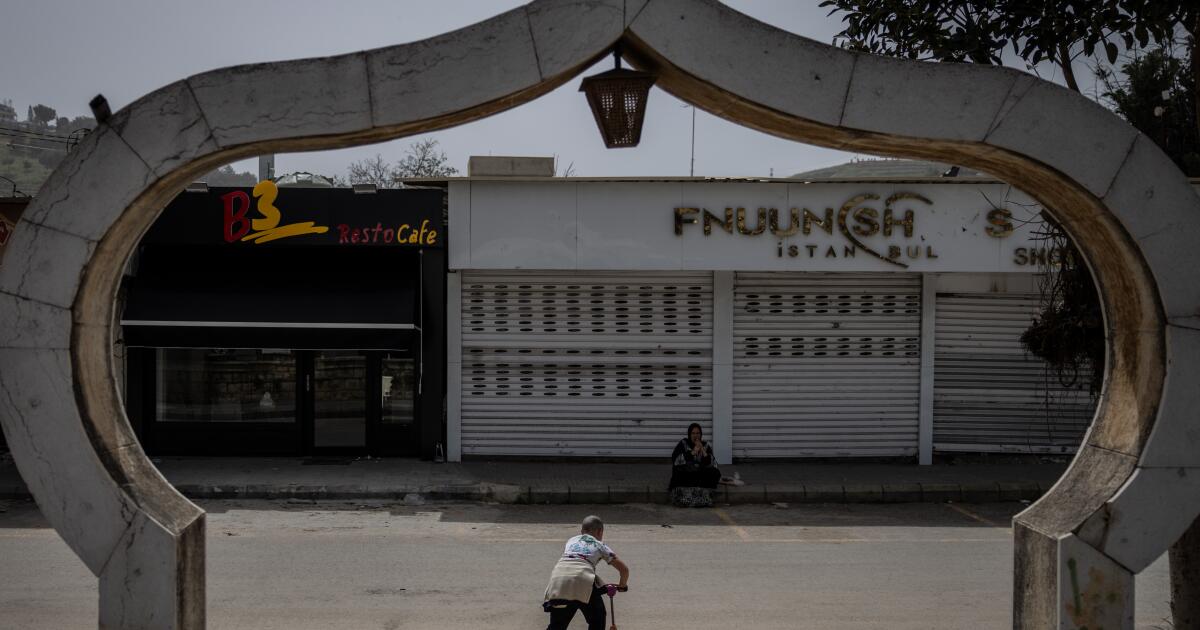
The situation on the ground is no longer just a series of skirmishes; it is a systematic restructuring of the borderland. For the residents of these villages, the “occupation” isn’t a political term—it is the reality of soldiers in their streets and the sudden, terrifying uncertainty of whether they will be allowed to remain in their ancestral homes.
The core problem here is the erasure of civilian stability. When a military force occupies a residential zone, the first things to vanish are basic services: electricity, clean water, and legal protections. This creates a vacuum where residents are left without recourse to protect their land titles or secure basic medical care.
The Human Cost of the “Buffer Zone” Strategy
The Israeli Defense Forces (IDF) have articulated a strategy of creating a “security buffer,” but in practice, this means the expulsion of civilians from the Litani River region. The goal is to push Hezbollah’s operational capacity north, yet the collateral is the total destabilization of the Lebanese south.
“We are not combatants; we are farmers, and teachers. To tell us we must leave our homes because of a war we did not start is to tell us that our existence here is an inconvenience to a military objective.”
This quote, provided by a village elder in the vicinity of Bint Jbeil, underscores the desperation of the populace. The psychological toll of “staying home” under occupation is immense, as residents face daily interrogations and the constant threat of summary deportation.
The economic ripple effect is staggering. Southern Lebanon’s economy relies heavily on tobacco and citrus farming. With military boots on the soil, the harvest cycles are broken. This isn’t just a temporary disruption; it is a generational economic wipeout. Families who have farmed this land for centuries now find themselves unable to access their fields, leading to a total collapse of local revenue.
For those attempting to navigate the chaos, the need for international human rights lawyers has grow paramount to document property seizures and prevent the permanent annexation of civilian land.
Geopolitical Friction and the Litani Line
To understand why this is happening now, one must seem at the historical friction regarding the Litani River. For decades, the river has served as a theoretical boundary for stability, yet it remains a flashpoint for territorial disputes. The current occupation is an attempt to physically enforce a boundary that diplomacy failed to secure.

The occupation affects more than just the villages; it cripples the municipal infrastructure of the Nabatiyeh Governorate. Local councils have been dismantled, and the administrative chain of command is nonexistent. This leaves a void in emergency response and public health management.
As the crisis deepens, the region requires an immediate influx of humanitarian aid coordinators to establish corridors for food and medicine, as the IDF’s restrictions on movement have effectively turned these villages into isolated islands.
The international community’s response has been tepid, often obscured by the broader conflict. However, the United Nations has previously warned that forced displacement in the region could lead to long-term instability and a permanent refugee crisis.
The Legal Minefield of Occupied Territories
Under the Geneva Conventions, an occupying power is prohibited from forcibly transferring the population of an occupied territory. Yet, the rhetoric from Israeli military leadership suggests a willingness to overlook these norms in the pursuit of “total security.”
This creates a legal paradox for the residents. If they stay, they live under military law with no civil rights. If they leave, they risk losing their legal claim to their property through “abandonment” clauses often used in conflict zones to justify land seizures.
“The tragedy here is the weaponization of residency. By forcing people to choose between their safety and their land, the occupying force effectively cleanses the area without needing a formal decree of expulsion.”
This insight comes from a senior legal consultant specializing in Middle Eastern land disputes. The complexity of these claims means that residents will eventually need property law specialists who can operate within the framework of international courts to reclaim seized assets.
The scale of the displacement is documented by AP News, which has highlighted the systemic nature of the expulsions in the south. The data suggests that this is not a byproduct of war, but a primary objective.
The infrastructure of the region—bridges, power grids, and water treatment plants—is now under military control. This means that any attempt to restore normalcy will require an external, vetted level of expertise to ensure that reconstruction doesn’t simply serve the interests of the occupier.
The long-term impact of this occupation will be felt in the demographic shift of the border. By removing the Shiite population, the military is not just removing “supporters” of a militia; they are erasing the social fabric of the Lebanese south. This creates a vacuum that is often filled by further radicalization, ensuring that the “security” sought by the occupation is an illusion.
The world watches as these villages become ghosts of their former selves. The plea to “just stay home” is a request for the most basic human right: the right to exist in one’s own space without the shadow of a foreign military. As the occupation persists, the only way forward is through a combination of rigorous international legal pressure and the mobilization of specialized civic services.
The tragedy of the Lebanese south is that the solution is often out of reach for those who need it most. Whether it is securing land rights or finding emergency medical support, the gap between the victim and the professional is wide. This is why maintaining a verified, global network of expert professionals and civic organizations is no longer a luxury—it is a necessity for survival in an era of systemic instability.