
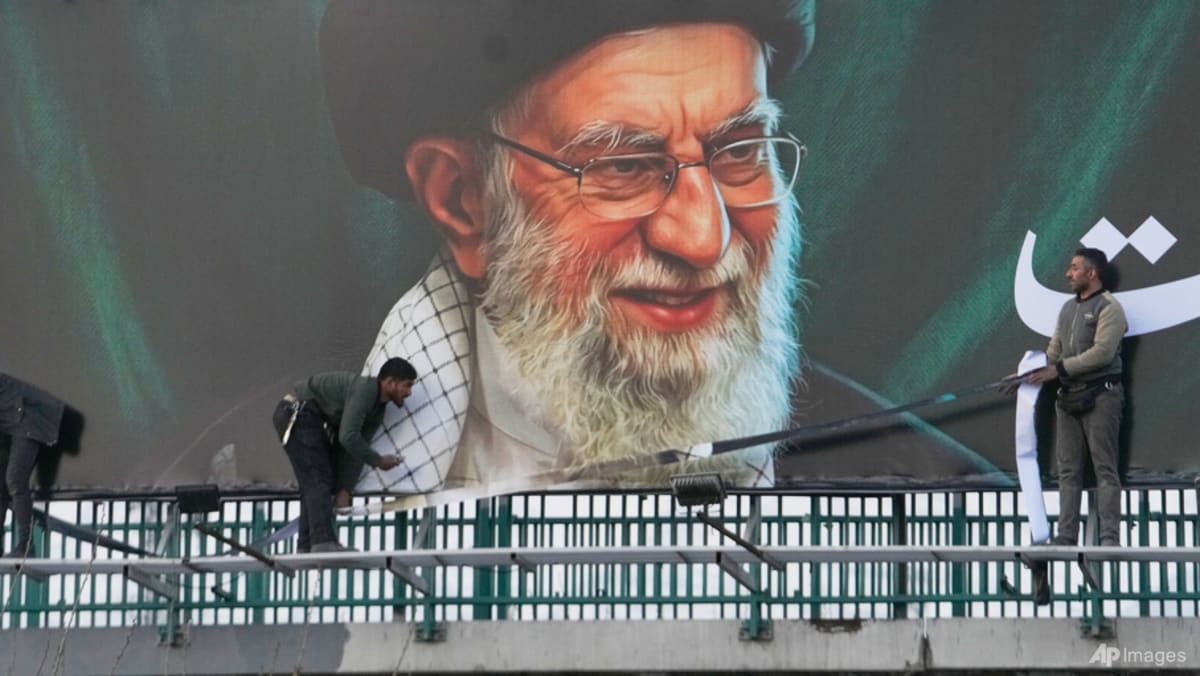
The assassination of Iran’s Supreme Leader, Ayatollah Ali Khamenei, and multiple senior Iranian officials on Saturday, February 28, 2026, followed months of close intelligence collaboration between the United States and Israel, culminating in a coordinated strike that dramatically altered the balance of power in the region.
The operation, which targeted Khamenei at his offices near Pasteur Street in Tehran, was not a spontaneous reaction but the result of painstaking surveillance and intelligence gathering, according to officials familiar with the effort. For months, American and Israeli intelligence agencies had been meticulously mapping the habits and movements of Iran’s leadership, focusing on patterns of communication, crisis response, and preferred locations. The New York Times reported that analysts sought to understand where the supreme leader spent his time, how he communicated with advisors, and which locations he would likely use as shelters during periods of heightened tension.
The opportunity to strike presented itself when intelligence confirmed Khamenei would be attending a meeting with senior officials. Sources indicated that the decision to act at that moment was driven by an assessment that attempting to locate and target these leaders after the commencement of open warfare would be significantly more difficult, as they would likely disperse and seek refuge in hardened bunkers. One source noted that, unlike Hezbollah leader Hassan Nasrallah, who spent years evading Israeli assassination attempts from underground bunkers before his death in September 2024, Khamenei did not consistently reside in protective shelters.
While Khamenei had publicly downplayed the threat to his life, even suggesting his own martyrdom would not derail the Islamic Republic, he did take precautions during times of increased conflict. A source revealed that Khamenei possessed two bunkers, and his absence from either during Saturday’s meeting was unusual, potentially enabling the successful strike. Prior to this operation, in June 2025, Israel focused its targeting efforts primarily on the Islamic Revolutionary Guards Corps, missile launchers, Iranian nuclear facilities, and scientists, rather than directly attempting to target Khamenei.
The attack occurred despite ongoing, albeit strained, negotiations between the US and Iran regarding Iran’s nuclear program, mediated by Oman. Iranian officials had reportedly signaled a willingness to make concessions to avert war, with the most recent meeting last Thursday described as “fruitful.” Although, a source familiar with the matter stated that the US president, while publicly expressing frustration with the pace of negotiations, was privately “dissatisfied with the Iranian responses,” creating conditions conducive to military action.
The operation itself was remarkably swift, with military officials in Israel reporting that Khamenei and seven other top Iranian security leaders, along with approximately a dozen family members and close associates, were killed in near-simultaneous strikes within 60 seconds. Forty other senior Iranian leaders also died in the attack. The attack had been planned for months, but was adjusted after confirmation of the leadership meeting.
Intelligence officials emphasized that the decision to eliminate Khamenei was a political one, not solely a technological feat. More than half a dozen current and former Israeli intelligence officials interviewed for this story underscored the deliberate nature of the operation. The CIA’s ability to pinpoint the timing of the meeting, as reported by The New York Times, was critical to the success of the operation.
The US and Israel have not publicly commented on the ongoing implications of the strike, and no immediate plans for further military action have been announced. Negotiations with Iran remain suspended.
