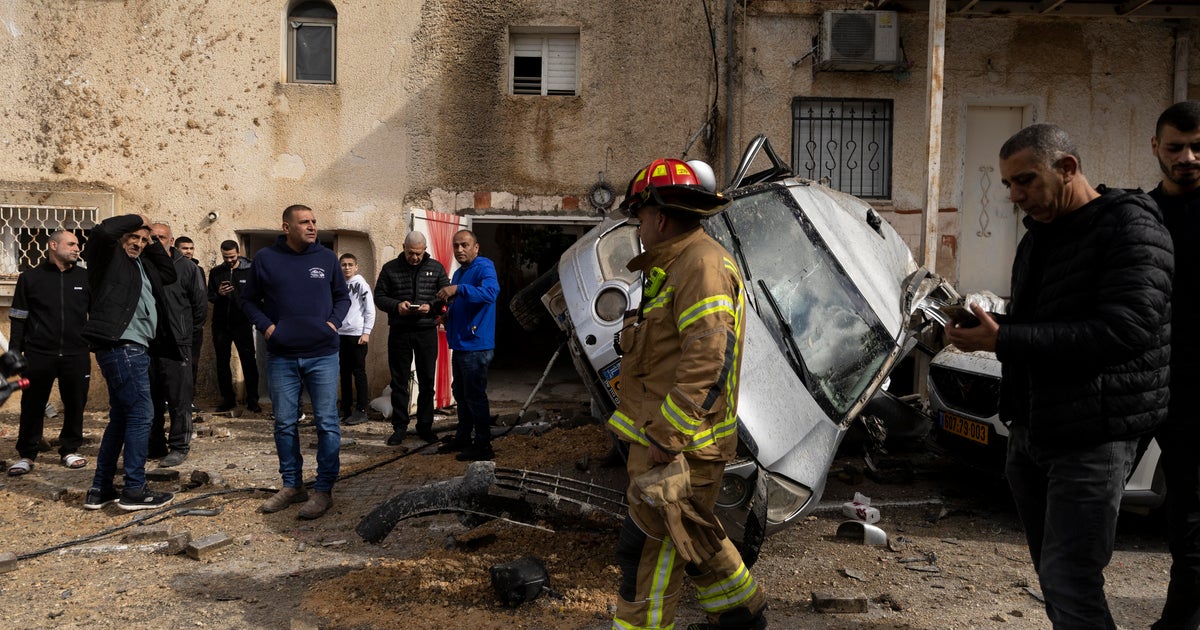
Iran War: EU Diplomat Says Russia Helping Iran Kill Americans as Trump Warns Tehran
President Trump has issued a final ultimatum to Iran to “get serious” about peace talks following the confirmed assassination of Iranian Naval Commander Alireza Tangsiri by Israeli forces. As Russia allegedly provides intelligence support to Tehran, global oil prices have surged past $100 per barrel, triggering emergency economic measures across Asia and forcing the U.S. To commit 50,000 troops to “Operation Epic Fury” in a high-stakes escalation of the Middle East conflict.
The Ultimate Reality Show: Geopolitics as Spectacle
If the last month of global headlines feels like a season finale written by a room of exhausted showrunners, that’s because the production value of modern warfare has merged indistinguishably from the media cycle. We are witnessing the ultimate convergence of statecraft and spectacle. President Trump’s morning Truth Social posts are no longer just political messaging. they are the official press releases for a kinetic military operation. When the Commander-in-Chief describes Iranian negotiators as “strange” and warns that the next moves “won’t be pretty,” he is managing the brand equity of the United States in real-time, treating diplomatic ultimatums like trailer drops.
The narrative twist this week? The “Hidden Hand of Putin.” U.K. Defense Secretary John Healey and EU diplomat Kaja Kallas have confirmed what intelligence circles have been whispering: Russia is actively feeding intel to Iran to target Americans. This isn’t just a regional skirmish; it’s a crossover event. The “axis of aggression” Healey describes turns a bilateral conflict into a global franchise, complicating the intellectual property of sovereignty and dragging NATO into a script they didn’t greenlight.
“In an era where narrative control is as vital as air superiority, the White House is effectively running a 24/7 newsroom. The risk isn’t just military miscalculation; it’s brand dilution. When you ‘unleash hell’ via social media, you invite a level of scrutiny that requires elite crisis communication firms to manage the fallout across global markets.”
The Box Office of War: Economic Shockwaves
Whereas the Pentagon tallies targets destroyed—Admiral Brad Cooper claims 92% of Iran’s major naval vessels are gone—the real ledger is being written in the energy markets. The Strait of Hormuz, the choke point for a fifth of the world’s oil, remains largely closed. The result? Brent crude trading above $105. This isn’t a fluctuation; it’s a structural break.
The European Bank for Reconstruction and Development forecasts that sustained $100 oil will slash global growth by 0.4 percentage points and spike inflation by 1.5 points. For the entertainment and hospitality sectors, Here’s the equivalent of a production shutdown. High energy costs don’t just hurt commuters; they ground private jets, inflate tour logistics, and squeeze the margins of every major festival from Coachella to Glastonbury.
Asian markets are already feeling the pinch. South Korea has rolled out a $17 billion “wartime” supplementary budget, while Japan taps strategic reserves. The ripple effect is immediate: when the cost of moving freight skyrockets, the cost of moving talent and equipment follows. We are seeing a direct correlation between missile intercepts in Abu Dhabi and the bottom line of global logistics firms.
Operational Risks and the Logistics of Instability
On the ground—or rather, on the deck of the USS Abraham Lincoln—the reality is less cinematic and more procedural. A sailor sustained a non-combat injury during flight operations, a stark reminder that even without enemy fire, the machinery of war grinds on. Meanwhile, the USS Gerald R. Ford is sidelined in Crete for repairs after a fire and toilet system failure, proving that even billion-dollar assets are vulnerable to basic logistical friction.
For the private sector, the lesson is clear: volatility is the new normal. The killing of Tangsiri, the commander responsible for mining the Strait, was a precise decapitation strike. But decapitation often leads to thrashing. As Iran’s ground forces vow “unwavering resistance,” the threat landscape expands beyond military bases to commercial hubs.
This environment demands more than just insurance; it requires proactive risk architecture. Major studios and touring agencies are already consulting with regional event security and A/V production vendors to harden their supply chains. You cannot book a world tour through the Middle East without understanding the difference between a ballistic missile threat and a drone swarm. The industry is pivoting from reactive safety to active intelligence.
Legal Force Majeure: When the Script Changes
Perhaps the most critical development for the business of culture is the legal fallout. With Trump explicitly avoiding the word “war” to bypass congressional approval, we are entering a gray zone of “military operations.” This semantic dance has massive implications for contracts.
Force majeure clauses are being stress-tested in real-time. If a production is halted due to “acts of war,” does a “military operation” count? If oil prices make a shoot prohibitively expensive, is that a budget overrun or a geopolitical inevitability?
“We are seeing a surge in inquiries regarding sanctions compliance and force majeure triggers,” says Elena Rossi, a senior partner at a top-tier Manhattan entertainment law firm. “When Russia and Iran are linked in an intelligence sharing pact, the sanctions matrix becomes a minefield. A production company inadvertently using a vendor with ties to a sanctioned entity could face existential legal threats. It’s not just about safety; it’s about intellectual property and compliance survival.”
The Final Cut
As the U.S. Commits 50,000 troops and the death toll in the UAE climbs, the curtain is not coming down on this act anytime soon. Trump’s warning that there is “NO TURNING BACK” suggests a finale that will redefine the region’s map. For the media and culture industry, the takeaway is simple: the era of stable globalization is over. The new business model is built on agility, intelligence, and the ability to pivot when the headlines change at 6:00 AM.
Whether you are managing a celebrity brand, securing a film location, or navigating the complexities of international sanctions, the margin for error has vanished. The professionals who thrive in this new landscape are those who treat geopolitical risk with the same rigor as creative development. In a world where a tweet can launch a missile, your network of vetted industry professionals is your only real safety net.
Disclaimer: The views and cultural analyses presented in this article are for informational and entertainment purposes only. Information regarding legal disputes or financial data is based on available public records.
Worth a look