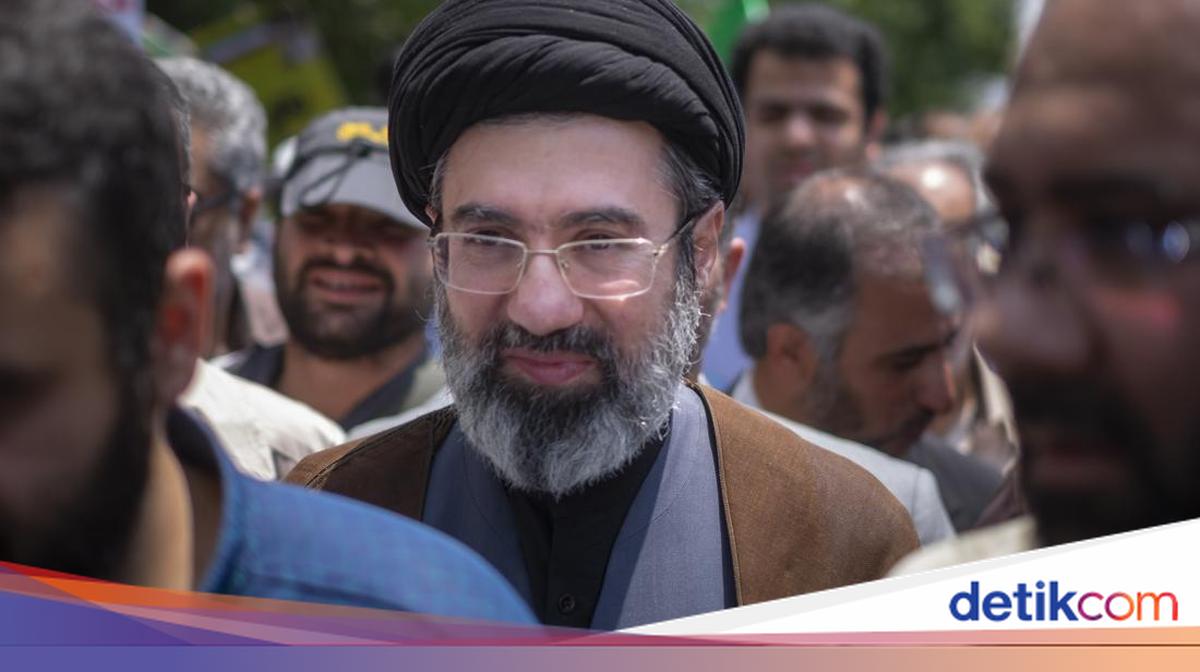
Iran Threatens Total War on US if Diplomacy Fails Again
Tehran’s leadership has officially labeled renewed U.S. Diplomatic overtures as a “third betrayal,” signaling a hardening of Iranian resolve amidst a fragile ceasefire. As rhetoric escalates toward threats of “total apocalypse” in the event of further American interference, the regional power vacuum in the Middle East is intensifying, threatening to destabilize global energy markets and supply chain security.
The geopolitical clock in Tehran is not ticking in sync with Washington. As of May 30, 2026, the narrative emanating from the Khamenei inner circle suggests a profound decoupling from Western-led diplomatic frameworks. This isn’t merely political theater; it is a fundamental shift in the regional security architecture. When senior advisors to the Supreme Leader openly discuss the permanent expulsion of U.S. Military assets from the Middle East, they are signaling a move toward a post-American regional order that prioritizes non-aligned partnerships with emerging Eurasian powers.
The volatility is palpable. For multinational firms operating in the Middle East, the “third betrayal” narrative serves as a warning that historical diplomatic channels—once used to mitigate risk—are effectively shuttered. When traditional statecraft fails, the burden of continuity shifts to the private sector.
The Erosion of Diplomatic Risk Mitigation
The current impasse stems from a deep-seated distrust of the U.S. Executive branch’s long-term commitment to treaty-based diplomacy. Iran’s rejection of recent “secret deals” underscores a broader trend: the weaponization of economic policy. As the World Bank notes regarding regional trade fragmentation, when diplomatic trust evaporates, the immediate casualty is the predictability of cross-border investment.
The threat of “total apocalypse”—a phrase increasingly finding its way into the lexicon of regional hardliners—acts as a catalyst for market anxiety. This is not just about military posturing; it is about the weaponization of logistics. If the Strait of Hormuz becomes a theater of active disruption, the downstream effects on global commodity prices will be immediate. Corporations are already feeling the pinch, not just in energy costs, but in the soaring price of essential pharmaceuticals and specialized components, as reported by regional supply chain monitors.
“The era of transactional stability is over. We are entering a phase of ‘permanent friction,’ where companies must assume that the diplomatic shield previously provided by international agreements no longer exists.” — Senior Fellow at a leading global policy research institute.
The Macro-Economic Ripple Effect
Consider the logistical reality. When geopolitical tensions spike, the cost of maritime insurance for vessels traversing the Persian Gulf inflates exponentially. This is the moment where the “Directory Bridge” becomes essential. Firms that fail to secure their supply chains via maritime logistics optimization firms are leaving their balance sheets exposed to sudden, violent shifts in regional volatility.

the legal landscape is shifting. As sanctions regimes become more fluid and less predictable, the risk of accidental non-compliance increases. Multinational organizations are rapidly pivoting, engaging international trade attorneys to conduct deep-dive audits of their regional exposure. The goal is no longer growth; it is survival through structural resilience.
| Risk Factor | Operational Impact | Mitigation Strategy |
|---|---|---|
| Sanctions Volatility | Asset freezing/contract voiding | Dynamic legal compliance frameworks |
| Supply Chain Disruption | Increased lead times/cost spikes | Multi-modal logistics diversification |
| Cyber-Statecraft | Infrastructure vulnerability | Hardened enterprise digital security |
The strategic pivot by Iran, as articulated by Mojtaba Khamenei, suggests an intent to force the U.S. Into a position of total military withdrawal. Whether or not this is achievable in the short term is irrelevant to the market; the mere anticipation of such a shift forces a re-evaluation of every regional capital expenditure. According to analysis from the Bloomberg Geopolitical Risk Monitor, capital flight from high-risk Middle Eastern sectors has accelerated by 14% since early 2026.
Building Resilience in a Post-Diplomatic World
What happens when the “third betrayal” becomes the new baseline? The answer lies in the privatization of security and legal strategy. Companies can no longer rely on the “status quo” to protect their foreign direct investment (FDI). They must curate their own defensive posture.

If your organization maintains a physical or digital footprint in the Middle East, the current climate demands an immediate stress-test of your operational continuity plans. This is where specialized expertise becomes your primary asset. When state-level diplomacy fails, corporate-level risk management must fill the breach. Whether it is engaging geopolitical risk consultants to map out scenario-based outcomes or deploying cybersecurity specialists to insulate sensitive infrastructure from state-sponsored digital interference, the time for reactive management has passed.
The global chessboard is resetting. The rhetoric from Tehran is a clear signal that the old rules of engagement are being discarded in favor of a more aggressive, non-Western-aligned regional hegemony. For the global business leader, the takeaway is stark: you are operating in a environment where the diplomatic floor has fallen out. Your only hedge is the caliber of the experts you keep on retainer.
As we look toward the latter half of 2026, the question is not whether the diplomatic landscape will stabilize, but how effectively your firm can navigate the turbulence. Navigate the uncertainty by identifying the right partners through our comprehensive Global Professional Services Directory. In a world of shifting alliances, your network is your strongest fortification.