
Iran Protests: A Nation in Crisis and Rising International Tensions
Published: 2026/01/16 07:38:13
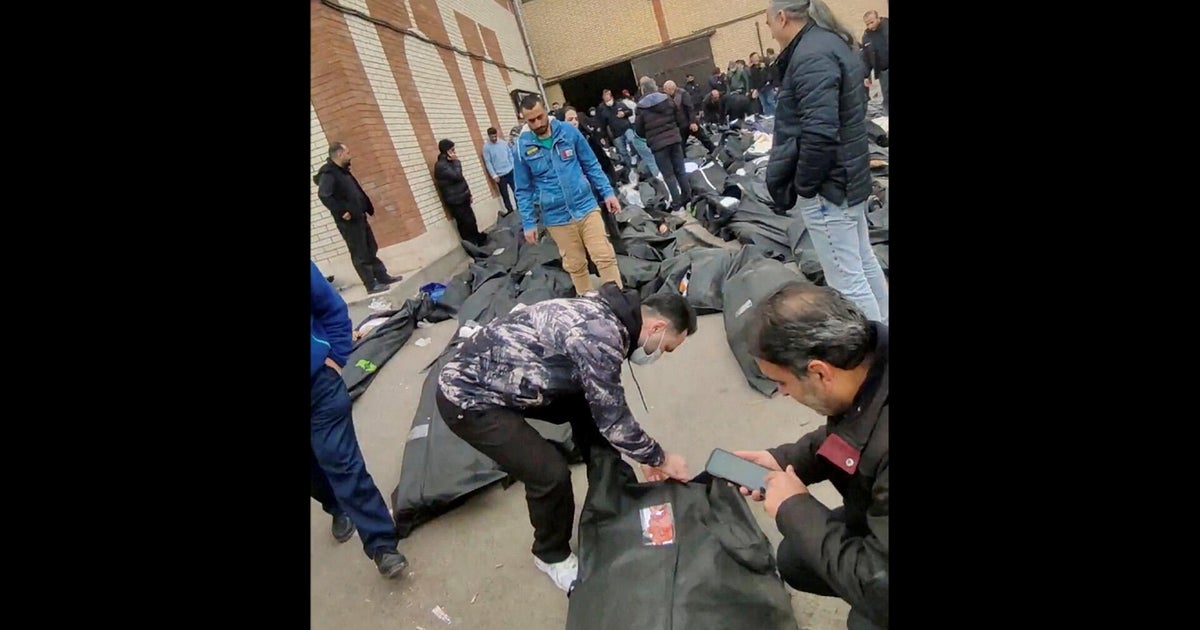
Images of rows of body bags are emerging from Iran as widespread anti-government protests enter their third week, signaling a deepening crisis within the Islamic Republic. The demonstrations, initially sparked by economic hardship, have evolved into a direct challenge to the ruling theocracy, with protesters openly calling for the end of the current regime. The escalating violence and the Iranian government’s response are drawing international condemnation and raising the specter of wider conflict.
A Brutal Crackdown and rising Death Toll
The protests, which began in late december, have been met with a brutal crackdown by Iranian security forces. Reports from the ground, despite a near-total internet blackout imposed by the government, paint a grim picture of escalating violence. Footage circulating online, verified by sources like the BBC [[1]], shows disturbing scenes of protesters confronting security forces and, in some instances, security forces opening fire on unarmed civilians. The Iran Human Rights (IHR) organization,based in Norway,reports that over 600 people have been killed [[1]], though this number remains unconfirmed by autonomous sources.
The scale of the violence is further underscored by images of morgues reportedly overwhelmed with casualties. The BBC counted approximately 180 body bags in footage taken outside a morgue in Tehran alone [[1]]. Reports from Times Now News [[2]]suggest the actual death toll may exceed 3,000, with claims of snipers being deployed against protesters and families grieving over the bodies of loved ones. Amnesty International has called on Iran’s Supreme national Security council to halt the unlawful use of force and restore internet access [[1]].
The Internet Blackout and Information Control
In an attempt to suppress the protests and control the narrative, Iranian authorities implemented a near-total internet blackout, cutting off access to social media and communication channels. This move, reported by NetBlocks [[1]], aimed to prevent protesters from organizing and sharing information with the outside world. Despite the blackout, footage and reports continue to emerge, highlighting the resilience of the protest movement and the determination of citizens to bypass censorship.
Iranian Foreign minister Abbas Araghchi has indicated that internet service will be restored, but only in coordination with security services, raising concerns about continued surveillance and restrictions on online freedom.
International Response and the Threat of Escalation
the escalating violence in Iran has drawn strong condemnation from the international community, notably from the United States. President trump has repeatedly threatened intervention if Iranian forces continue to kill protesters [[1]]. U.S. Defense Department officials have confirmed that the president has been briefed on a range of options, including military and covert operations [[1]].
These options include potential missile strikes, cyberattacks, and psychological operations.While the U.S. considers its response, Iranian officials have warned of retaliation should the country be attacked.Mohammad Bagher Ghalibaf, Speaker of the Iranian Parliament, stated that Iran is prepared to strike American bases and forces if provoked [[1]].
A Glimmer of Diplomacy?
Despite the heightened tensions,there are indications that the Iranian regime may be seeking a diplomatic solution. President Trump has suggested that Iran wants to negotiate [[1]], and his national security team is scheduled to meet to discuss updated options for engagement. Whether these talks will materialize remains uncertain, but they offer a potential pathway to de-escalation.
Looking ahead: A Precarious Situation
The situation in Iran remains highly volatile and unpredictable. The ongoing protests,coupled with the government’s brutal crackdown and the threat of external intervention,create a dangerous and precarious environment. The coming days and weeks will be critical in determining the future of Iran and the stability of the region. The international community faces a difficult balancing act: condemning the violence and supporting the Iranian people’s right to protest while avoiding actions that could further escalate the conflict.
