
Iran-Israel Conflict: Attacks Escalate, Nuclear Concerns Rise
Hezbollah and Iran escalated attacks on Israel Sunday, targeting both the north and south of the country, as the four-week-old conflict triggered warnings of wider regional escalation. The intensification followed threats from the United States and Iran regarding critical infrastructure and the vital Strait of Hormuz.
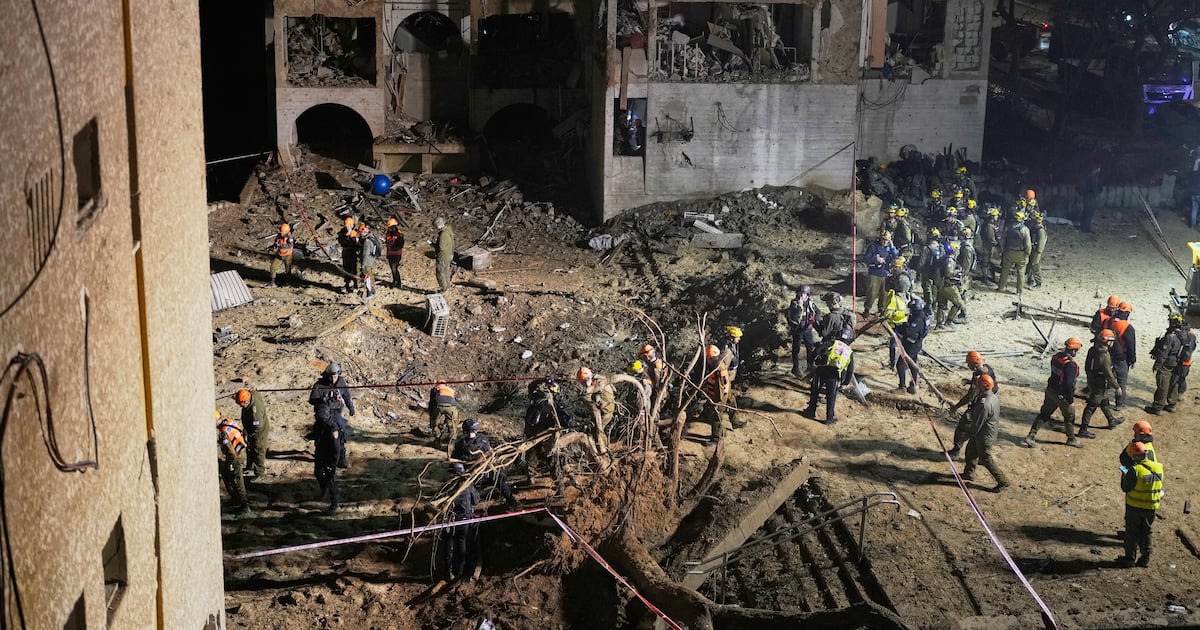
Prime Minister Benjamin Netanyahu toured the southern town of Arad after it was struck by Iranian missiles Saturday, calling it a “miracle” that no one was killed. He asserted that Israel and the U.S. Were progressing toward their war objectives and appealed for international support. At least 175 people were wounded in Arad and Dimona, according to Roy Kessous, deputy director of Soroka Hospital, southern Israel’s main medical facility.
The escalation began with a U.S. Warning to Iran: President Donald Trump stated the U.S. Would destroy Iran’s power plants if Tehran did not fully reopen the Strait of Hormuz within 48 hours. Iran’s parliament speaker, Mohammad Bagher Qalibaf, responded on X, stating that any attack on Iranian power plants and infrastructure would result in retaliatory strikes against vital infrastructure across the region, including energy and desalination facilities.
Iran has effectively closed the Strait of Hormuz, a critical waterway for global oil supplies, disrupting tanker traffic and prompting some oil producers to reduce output. The U.S. Has temporarily lifted some sanctions on Iranian oil to alleviate pressure on energy prices.
Iranian officials stated they would continue to allow safe passage through the strait for vessels from countries not considered enemies.
Iran claimed its strikes on the Negev Desert were in retaliation for an earlier Israeli attack on its nuclear enrichment site in Natanz, according to state-run media. Qalibaf asserted that the ability to strike the heavily protected Dimona area demonstrated a “novel phase of the battle.” Israel denied responsibility for the Natanz strike. The International Atomic Energy Agency (IAEA) reported no damage to the Israeli nuclear center or abnormal radiation levels.
The IAEA also reported receiving information from Iran regarding the attack on Natanz and stated there was no leakage. The agency reiterated its call for military restraint to avoid any risk of a nuclear incident.
The death toll in Iran from the conflict surpassed 1,500 on Saturday, according to state media. In Israel, 15 people have been killed by Iranian strikes. Additional fatalities have been reported in the occupied West Bank and Gulf Arab states.
The conflict has also resulted in non-combat related incidents, including a U.S. Refueling plane crash in western Iraq that killed six U.S. Service members and a Qatari military helicopter crash on Saturday, killing all seven aboard. Qatari authorities attributed the helicopter crash to a technical malfunction.
Hezbollah claimed responsibility for an airstrike Sunday that killed an Israeli civilian in the northern town of Misgav Am. Israeli medics found the man in his car and released video footage of two burning vehicles. Israel has responded with airstrikes on Lebanon, killing more than 1,000 people and displacing over 1 million, according to Lebanese authorities. Hezbollah launched its strikes in retaliation for the killing of Iran’s Supreme Leader Ayatollah Ali Khamenei.
Gulf Arab states, including Saudi Arabia and the United Arab Emirates, stated they were working to intercept new Iranian strikes.