
iPhone 18 Pro Face ID Bug May Require New Scan on iOS 27.2
Owners of Apple’s iPhone 18 Pro and iPhone 18 Pro Max who set up their devices before iOS 27.2 should verify their Face ID settings immediately to ensure the attention-awareness feature is operating correctly, according to reports from heise online. Devices configured on earlier software versions may experience a glitch where the facial recognition system unlocks the smartphone simply when a face is held in front of the camera, bypassing the requirement that the user actively look at the display.
The flaw potentially leaves the hardware vulnerable to unauthorized access, particularly in theft scenarios.
Under-Screen Sensor Architecture and Early Hurdles
It remains unclear whether the glitch stems from a major hardware redesign. Apple shifted the Face ID sensor below the display for the iPhone 18 Pro and iPhone 18 Pro Max, introducing an under-screen sensor for the first time.
The architectural change allowed Apple to shrink the Dynamic Island on these models. Industry observers anticipate the technology will eventually roll out to a broader range of iPhone hardware.
The new sensor configuration has encountered hurdles since its commercial launch. Early production units of the iPhone 18 Pro and iPhone 18 Pro Max suffered from software bugs that caused the devices to freeze entirely during the unlocking process. Apple addressed that specific issue with the release of iOS 27.0.1.
Testing Reveals Persistent Gaze Vulnerability
However, testing by the Mac & i editorial team revealed that the attention-awareness malfunction persists independently of the freezing bug. The issue appears directly tied to the specific iOS version running when the initial facial scan was registered.
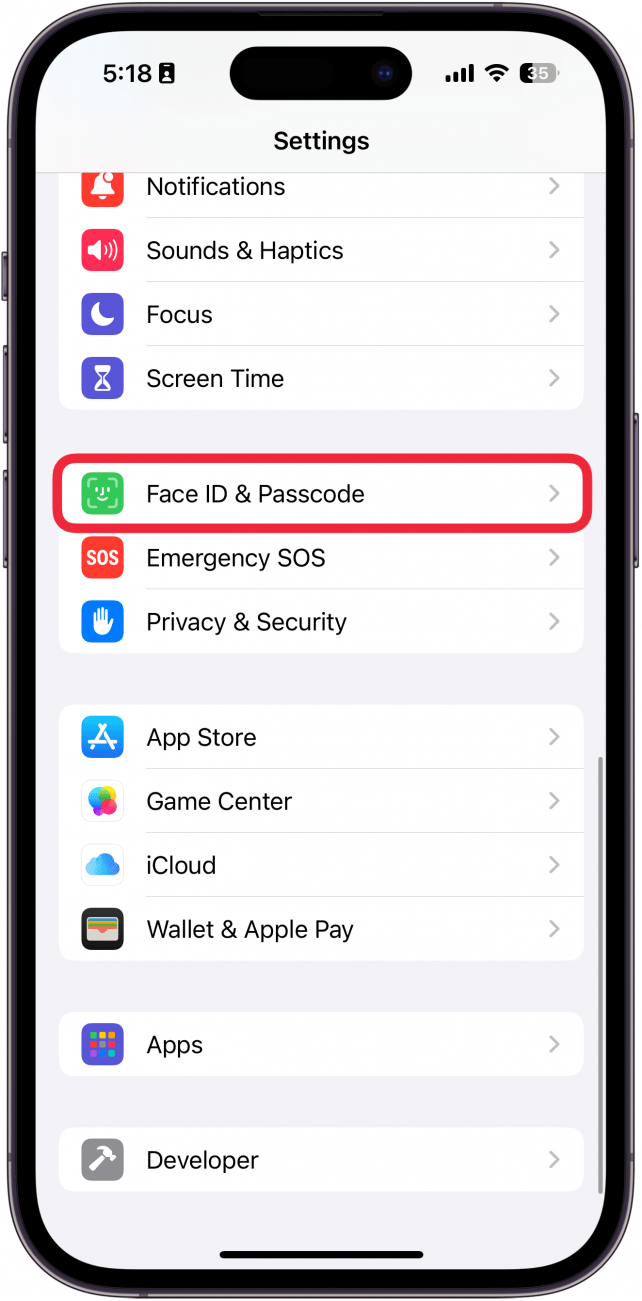
To fix the security vulnerability, users must first delete their existing Face ID scans within the system settings. Owners should then confirm that their device is running iOS 27.2 or later before registering a new facial profile.
Steps for Re-enrolling Facial Data
Once the fresh enrollment is complete, Face ID should restrict unlocking strictly to instances where the user actively gazes at the screen. Users should also clear any saved alternative appearances and re-add them.
Individuals who rely on the mask-wearing recognition mode must verify that gaze detection remains active. If it is disabled, performing a fresh facial registration resolves the discrepancy.
Supplemental Selfie Camera Integration
Alongside the under-screen placement for the primary Face ID sensor, Apple modified a secondary facial recognition mechanism on the iPhone 18 Pro models. The system now supplements the traditional infrared scan with image data originating from the selfie camera.
According to Apple documentation, the supplementary data is intended to secure Face ID performance. The device stores only a mathematical representation of the scan, which cannot be reverse-engineered back into a photograph.