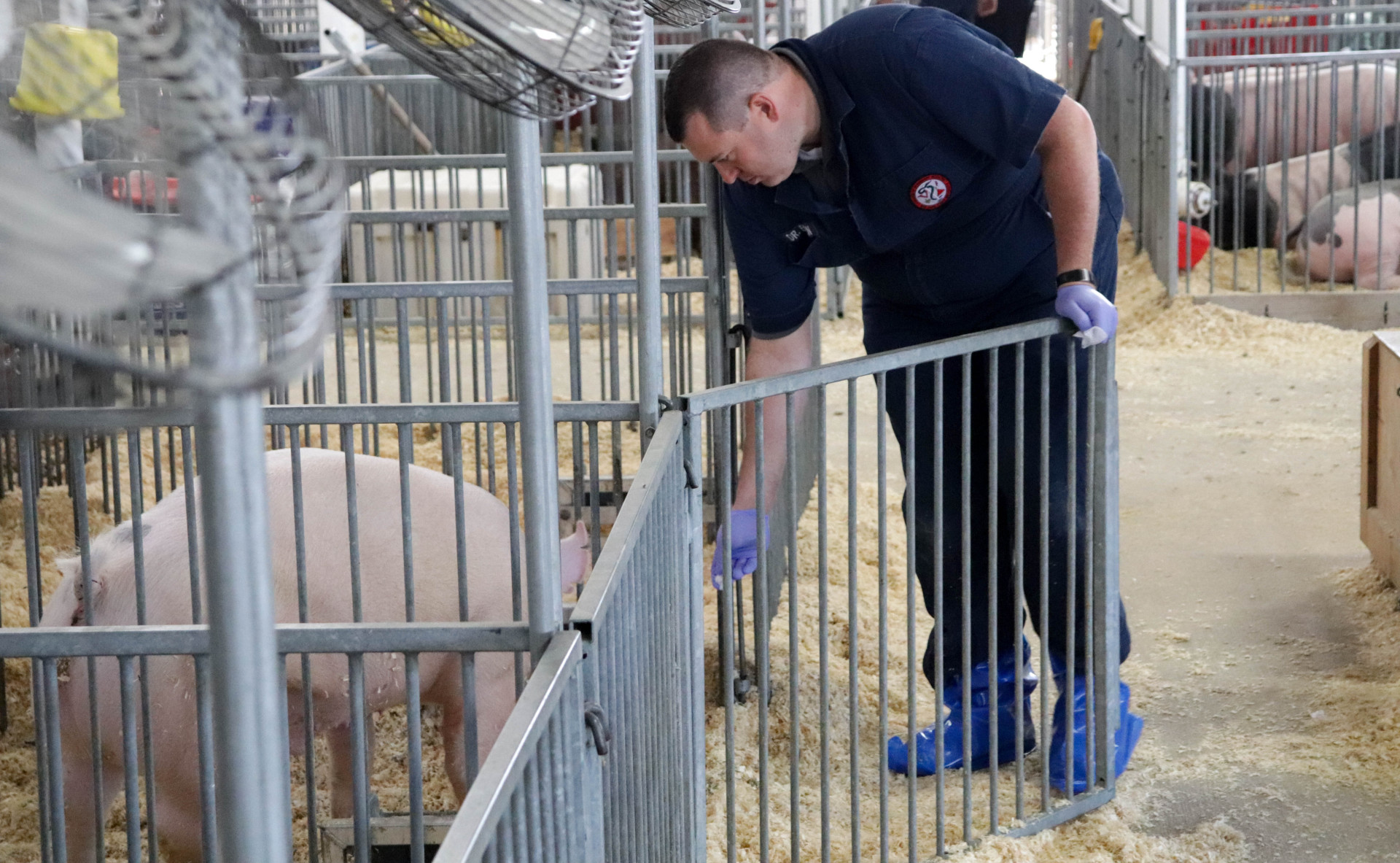
Influenza D in Human Cells and Tissue Shows Spillover Potential, Study Finds
A recent study from The Ohio State University has raised important questions about the zoonotic potential of influenza D virus, revealing that the pathogen can infect and replicate in human respiratory epithelial cells under laboratory conditions. While influenza D primarily circulates in cattle and has not been shown to cause widespread illness in humans, the findings suggest a theoretical pathway for spillover, particularly in populations with close animal contact such as farmworkers and veterinarians. This discovery adds influenza D to the growing list of animal-origin viruses under surveillance for their capacity to adapt to human hosts, a concern underscored by lessons learned from influenza A and SARS-CoV-2 pandemics.
Key Clinical Takeaways:
- Influenza D virus can infect and replicate in human airway cells in vitro, indicating a biological capacity for cross-species transmission.
- No evidence currently supports sustained human-to-human transmission or clinical disease in people, but occupational exposure remains a theoretical risk factor.
- Ongoing surveillance in agricultural settings is critical to detect early signs of viral adaptation that could influence future public health preparedness.
The research, published in Viruses and led by a team at Ohio State’s College of Veterinary Medicine, used primary human nasal and bronchial epithelial cultures to assess susceptibility to influenza D. Scientists inoculated the tissues with a bovine strain of the virus and measured viral replication over 72 hours. Results showed productive infection, with viral titers increasing logarithmically and evidence of viral protein expression and budding from infected cells. Notably, the virus demonstrated affinity for sialic acid receptors commonly found in the human respiratory tract, a key determinant of host range in orthomyxoviruses.
According to Dr. Renukaradhya Gourapura, Professor of Veterinary Preventive Medicine at Ohio State and senior author of the study, “Our data demonstrate that influenza D isn’t just a cattle virus—it has the molecular tools to enter human cells. What we don’t yet recognize is whether it can overcome the additional barriers needed to cause illness or spread between people.” The study was funded by the United States Department of Agriculture (USDA) National Institute of Food and Agriculture (NIFA) through the Agriculture and Food Research Initiative (AFRI), grant number 2020-67015-31159, underscoring federal investment in zoonotic disease research at the animal-human interface.
While influenza D was first identified in 2011 in swine and later established as a prevalent pathogen in bovine respiratory complexes globally, human seroprevalence studies have yielded mixed results. Some investigations have detected antibodies against influenza D in individuals with livestock exposure, suggesting past infection, though these findings remain controversial due to potential cross-reactivity with influenza C. A 2020 serosurvey published in Emerging Infectious Diseases found elevated titers in swine farmers, but no associated symptomatic illness was reported. The absence of clear clinical correlates has kept influenza D outside the realm of routine diagnostic testing, though experts argue for heightened vigilance in high-risk occupational groups.
Dr. Amy Vittor, Assistant Professor of Medicine at the University of Florida’s Division of Infectious Diseases and Global Medicine, who was not involved in the study, emphasized the importance of proactive monitoring: “We’ve seen how quickly animal viruses can adapt when given the opportunity. Surveillance isn’t just about detecting outbreaks—it’s about understanding the evolutionary trajectory of pathogens before they become a threat. For workers in agriculture, having access to specialized occupational medicine specialists who understand zoonotic risks is a critical layer of defense.”
The study’s authors acknowledge limitations, including the use of immortalized cell lines in follow-up experiments and the absence of airway immune components like mucus and alveolar macrophages in the primary culture model. Future work will explore whether influenza D can evade innate immune responses in human tissue and whether reassortment with influenza C—its closest genetic relative—could generate novel variants with enhanced human tropism. Such research aligns with global priorities outlined in the WHO’s Global Influenza Strategy 2021–2030, which calls for expanded monitoring of non-traditional influenza viruses in zoonotic niches.
From a public health standpoint, influenza D does not currently meet criteria for inclusion in seasonal influenza surveillance networks or vaccine development pipelines. However, the Ohio State findings reinforce the principle that pandemic preparedness must extend beyond known threats. For healthcare systems, this means ensuring that diagnostic laboratories have access to updated molecular panels capable of distinguishing rare or emerging respiratory pathogens—a capability often housed in regional public health laboratories affiliated with academic medical centers. Similarly, employers in high-risk industries may benefit from consulting occupational health attorneys to ensure workplace safety protocols align with evolving biological risk assessments.
As viral ecology continues to shift due to climate change, intensified livestock farming, and habitat encroachment, the boundary between animal and human pathogens grows increasingly permeable. Influenza D may never cross the threshold into widespread human transmission—but dismissing its potential overlooks the incremental steps by which zoonotic viruses evolve. The real value of this research lies not in alarm, but in anticipation: building the scientific, clinical, and infrastructural capacity to detect and respond to threats before they escalate.
*Disclaimer: The information provided in this article is for educational and scientific communication purposes only and does not constitute medical advice. Always consult with a qualified healthcare provider regarding any medical condition, diagnosis, or treatment plan.*