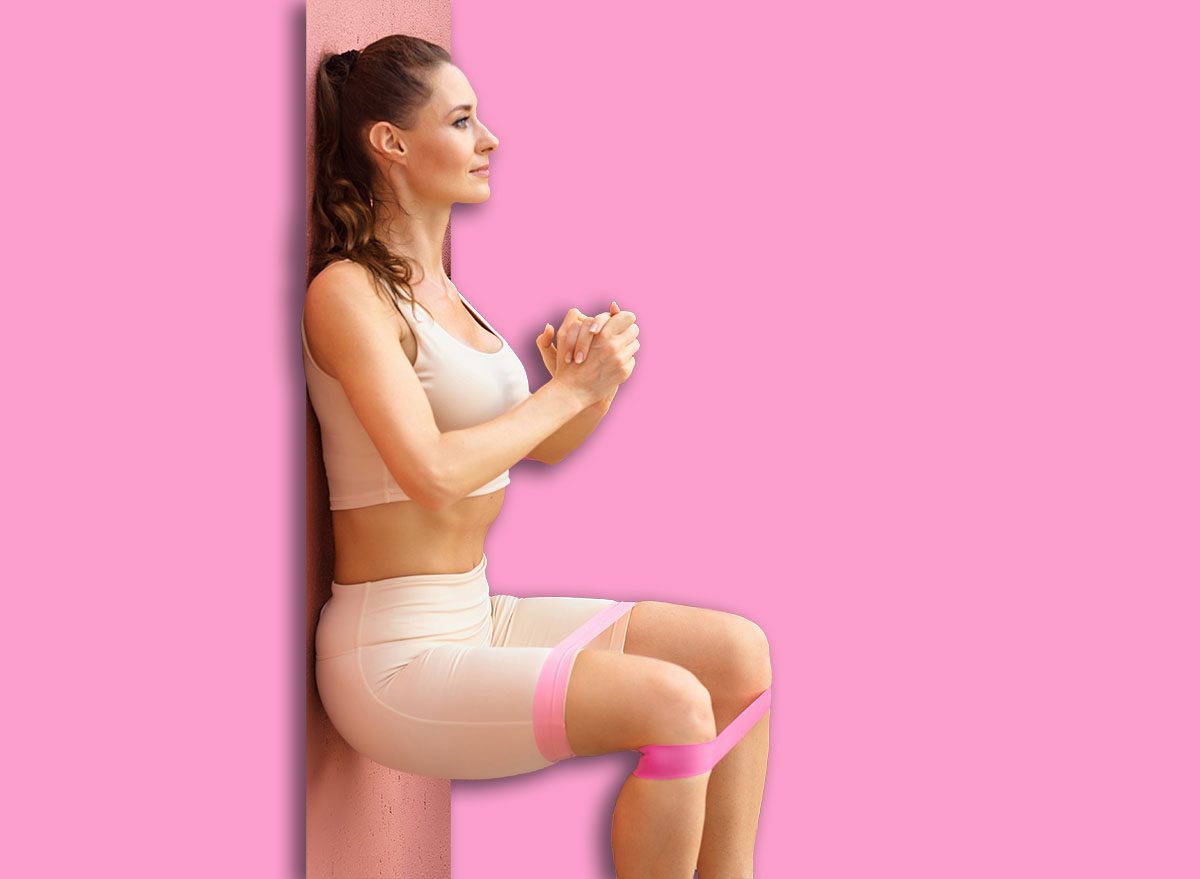
If You Can Hold a Wall Sit This Long After 50, Your Legs Are Stronger Than Most 30-Year-Olds
A simple wall sit test reveals that holding a stable, stationary squat position requires high levels of localized muscular tension, testing the quadriceps, glutes, and neuromuscular endurance without putting rapid stress on the joints.
Key Takeaways:
- Isometric strength testing measures muscle force production without joint movement, providing a clear metric for lower-body endurance after age 50.
- Research indicates that lower-limb power predicts cognitive ageing after ten years in older female twins.
- A clean wall sit hold of 90 seconds or longer indicates a strength endurance profile that is stronger than most 30-year-olds.
The Physiological Mechanisms of Isometric Muscle Endurance
When an individual slides down a wall into a standard wall sit, the exercise places the quadriceps muscles under continuous tension. According to a bibliometric analysis on isometric training published in the journal Sports (Ríos Riquelme et al., 2025), static muscle contractions are a focus of scientific production on isometric training.
Unlike dynamic movements that rely on momentum or speed, the wall sit isolates the lower extremities. The quadriceps must prevent knee angle degradation, while the glutes help keep the hips steady. This constant physical stress challenges strength endurance rather than explosive power. Research published in Gerontology by Steves et al. (2016) indicates that leg power predicts cognitive ageing after ten years in older female twins.
Evaluating Hold Times Against Benchmarks
Establishing a repeatable testing protocol is essential for tracking functional progress accurately. To standardize the wall sit setup, keep the feet flat on the floor, the back against the wall, and the knees aligned directly over the ankles at a comfortable depth.
Performance outcomes break down into distinct functional categories based on sustained duration:
- Under 30 seconds: Represents a solid starting point. Short holds build plenty of strength when practiced consistently.
- 30 to 60 seconds: Indicates a solid strength foundation, showing that the lower limbs can hold tension with good control.
- 60 to 90 seconds: Demonstrates a strong score after 50. The lower body maintains active stabilization even as the effort builds.
- 90+ seconds: An impressive benchmark showing the legs can create force, hold position, and stay composed under fatigue, often stronger than most 30-year-olds.
To safely bridge the gap toward longer hold durations, individuals should avoid grinding through brutal max holds every workout. Guidelines suggest practicing two to three times weekly, combined with movements like squats, step-ups, or chair stands.
Future Trajectories in Functional Longevity Assessments
*Disclaimer: The information provided in this article is for educational and scientific communication purposes only and does not constitute medical advice. Always consult with a qualified healthcare provider regarding any medical condition, diagnosis, or treatment plan.*