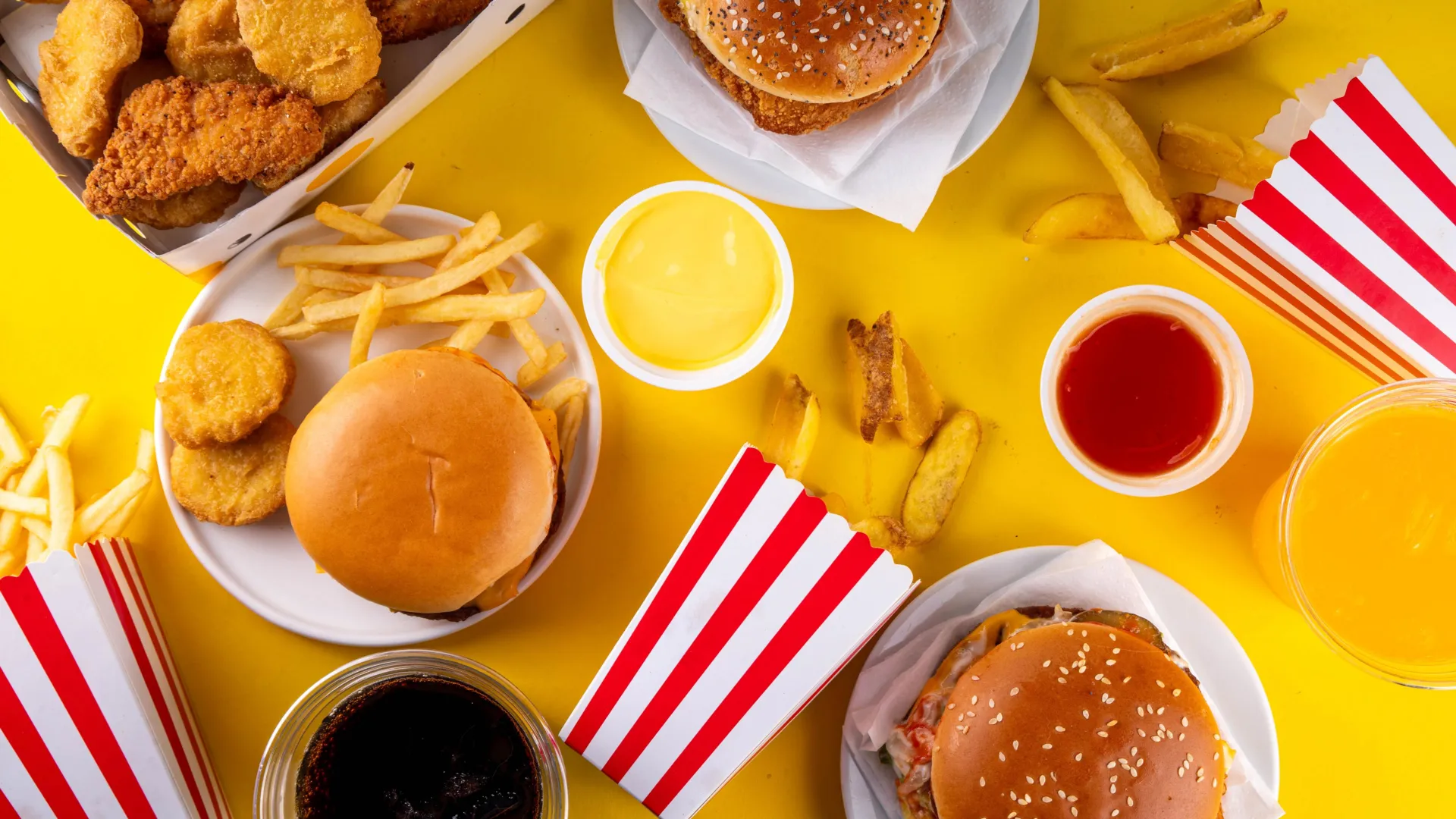
Ultra-Processed Foods and Colorectal Cancer: New Study Challenges Broad Assumptions
A massive study of more than 460,000 American adults challenges the long-standing assumption that all ultra-processed foods uniformly elevate cancer risks. Published October 15 in the open-access journal PLOS Medicine and led by Erikka Loftfield of the National Cancer Institute, the research found no overall association between total ultra-processed food consumption and the incidence of colorectal cancer. However, the findings revealed a stark divide: while processed meats linked to higher cancer rates, certain ultra-processed whole grains and dairy products associated with a lower risk.
-
Key Clinical Takeaways:
- Total ultra-processed food consumption showed no overall link to colorectal cancer incidence in the nearly 19-year study cohort.
- Specific food items within the ultra-processed category diverged sharply, with processed meats raising risk and certain whole grains and dairy lowering it.
- Substituting just 10% of ultra-processed food intake with minimally processed alternatives correlated with a 2% lower incidence of bowel cancer.
Tracking Nearly 19 Years of Diet and Cancer Records
To investigate how processing levels affect malignancy rates, researchers examined health and dietary records from 461,682 Americans aged 50 to 71 who enrolled in the NIH-AARP Diet and Health Study in 1995 and 1996. Participants completed baseline questionnaires detailing food consumption frequencies, which researchers used to estimate ultra-processed food intake through the Nova classification system. According to The Conversation, participants answered questions about demographics, smoking, physical activity, and dietary intake, while researchers accounted for lifestyle factors in statistical models.
The cohort was tracked through 2018, yielding a median follow-up period of 18.8 years and more than 10,000 diagnosed bowel cancer cases. While total intake of ultra-processed foods—products created using industrial ingredients or techniques unavailable to home cooks, such as soft drinks, packaged snacks, mass-produced breads, and hotdogs—did not correlate with increased overall colorectal cancer incidence, individual food categories told a different story. Higher consumption of reconstituted meat products like hotdogs associated with higher bowel cancer rates. Conversely, higher intakes of breakfast cereals, bread, frozen desserts, and milk products such as fruit yoghurts associated with lower bowel cancer incidence.
Weighing Minimally Processed Alternatives Against Industrial Formulations
The analysis evaluated the impact of dietary substitution, finding that replacing 10% of ultra-processed food intake by weight with an equivalent weight of minimally processed foods linked to a 2% lower incidence of bowel cancer. These findings indicate that nutritional characteristics and specific food groups matter more than the processing category alone. Higher intakes of whole grains, fiber, dairy products, and calcium consistently aligned with lower bowel cancer risks, regardless of whether those nutrients originated from ultra-processed or minimally processed sources.
The study highlights the complexity of categorizing foods solely by processing level. Foods placed in Group 4 of the Nova classification system encompass a diverse range of items with distinctly opposing health associations. Current dietary guidance for colorectal cancer prevention emphasizes eating fruit, vegetables, whole grains, and fiber-rich foods while limiting red and processed meats and alcohol intake. The new findings align with these established recommendations.

Study Limitations Include Lack of Diversity and Dietary Changes
Despite the large sample size and lengthy follow-up period, the researchers note important limitations. The participant pool consisted primarily of older, white Americans, meaning the conclusions may not apply to younger adults or more diverse populations. Dietary information relied on a single baseline questionnaire administered at the start of the study. Researchers could not account for changes in individual diets over two decades, nor could they capture the expanding availability and variety of ultra-processed foods during that time. Because the research is observational, it cannot establish direct causation between specific foods and cancer risk.
As Loftfield explained, the observed associations mirrored current dietary guidance when food groups were examined by their specific sources rather than broad processing categories.