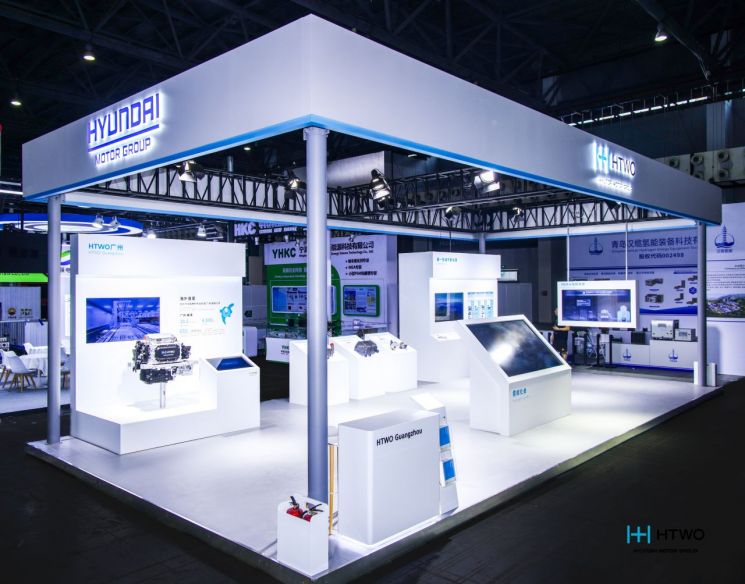
Hydrogen Fuel Cell Production Hub in Guangzhou China to Highlight Core Technologies and Integrated Solutions
Hyundai Motor Group is showcasing its HTWO Guangzhou hydrogen fuel cell production facility at the International Hydrogen and Fuel Cell Vehicle Congress in China. As of June 10, 2026, the conglomerate is positioning its integrated hydrogen ecosystem as a centerpiece for decarbonizing heavy-duty transport and industrial logistics within the Chinese market.
Establishing a Hydrogen Foothold in Guangzhou
The HTWO Guangzhou plant represents Hyundai’s first overseas base dedicated exclusively to the production of hydrogen fuel cell systems. By participating in the international congress, the company aims to demonstrate the scalability of its proprietary technology, which converts hydrogen into electricity to power vehicles with only water vapor as an emission. According to Hyundai Motor Group’s official corporate disclosures, the facility serves as a testing ground for integrating fuel cell stacks into commercial transit fleets and port logistics.
The choice of Guangzhou is strategic. As a Tier-1 manufacturing hub, the city provides the necessary industrial infrastructure and proximity to high-density shipping ports. However, the transition to hydrogen requires significant municipal coordination. Local governments are currently balancing the need for rapid decarbonization with the high capital expenditure required for hydrogen refueling stations.
“The deployment of fuel cell technology at this scale is not merely a manufacturing milestone; it is a regulatory challenge. We are seeing a shift where infrastructure must now catch up to the technical capacity of these production hubs,” says Dr. Wei Chen, a senior policy analyst specializing in East Asian energy transitions.
The Macro-Economic Shift Toward Hydrogen
Global interest in hydrogen as a replacement for diesel in heavy-duty shipping is gaining momentum. The International Energy Agency (IEA) has repeatedly identified hydrogen fuel cells as a necessary component for achieving net-zero targets in sectors that cannot easily rely on battery-electric power due to weight constraints. Hyundai’s presence at the congress underlines its commitment to maintaining a competitive edge against domestic Chinese competitors who are also scaling up production.

For industrial operators looking to integrate these technologies, the transition is rarely simple. It involves complex supply chain logistics and strict adherence to emerging safety standards. Organizations must often engage specialized energy and environmental law firms to navigate the shifting regulatory landscape and secure necessary zoning permits for hydrogen storage on-site.
Technical Integration and Industry Scaling
Hyundai’s exhibition focuses on the “HTWO” brand, which encompasses the entire value chain—from hydrogen production and storage to transport and utilization. The following table outlines the current scope of the HTWO Guangzhou project compared to standard lithium-ion commercial applications:
| Metric | HTWO Fuel Cell System | Standard BEV Commercial |
|---|---|---|
| Refueling Time | 5–10 minutes | 1–4 hours |
| Energy Density | High (Better for heavy loads) | Moderate (Weight limited) |
| Primary Emission | Water vapor | Zero (at tailpipe) |
| Infrastructure | Developing (Requires H2 stations) | Established (Grid-dependent) |
While the technology is promising, it is not without hurdles. The cost of green hydrogen production remains a significant barrier for widespread commercial adoption. According to the U.S. Department of Energy’s Hydrogen and Fuel Cell Technologies Office, reducing the levelized cost of hydrogen is the primary objective for global manufacturers seeking to compete with traditional fossil fuels.
Navigating the Infrastructure Gap
For municipal planners and private developers, the influx of hydrogen-powered fleets necessitates a complete overhaul of existing utility frameworks. This creates a secondary demand for professional oversight. Developers moving into the hydrogen space frequently require the services of industrial infrastructure consultants to assess site safety and grid capacity. Without these assessments, the adoption of fuel cell vehicles can lead to significant bottlenecks in operational efficiency.

Local authorities in the Pearl River Delta are currently reviewing safety protocols for high-pressure gas storage. This environment of rapid policy change often leaves businesses in a state of uncertainty. Those attempting to establish hydrogen-ready logistics centers must prioritize compliance with local mandates to avoid costly retrofits later.
Future Outlook: Beyond the Congress
The long-term success of Hyundai’s initiative in Guangzhou will depend on the consistency of government subsidies and the maturation of the regional hydrogen supply chain. As of June 2026, the focus has shifted from mere prototype development to mass-market integration. The industry is watching closely to see if the HTWO Guangzhou plant can achieve the economies of scale necessary to drive down costs for the end-user.
As the sector moves toward mass adoption, the complexity of managing these assets will only increase. Whether you are a logistics provider transitioning your fleet or a municipality planning for grid upgrades, the necessity for expert guidance cannot be overstated. Connecting with vetted industrial and environmental project managers remains the most effective way to mitigate the risks associated with this emerging energy transition. The future of heavy transport is being written in hydrogen, but the infrastructure to sustain it is still being built, block by block, city by city.