
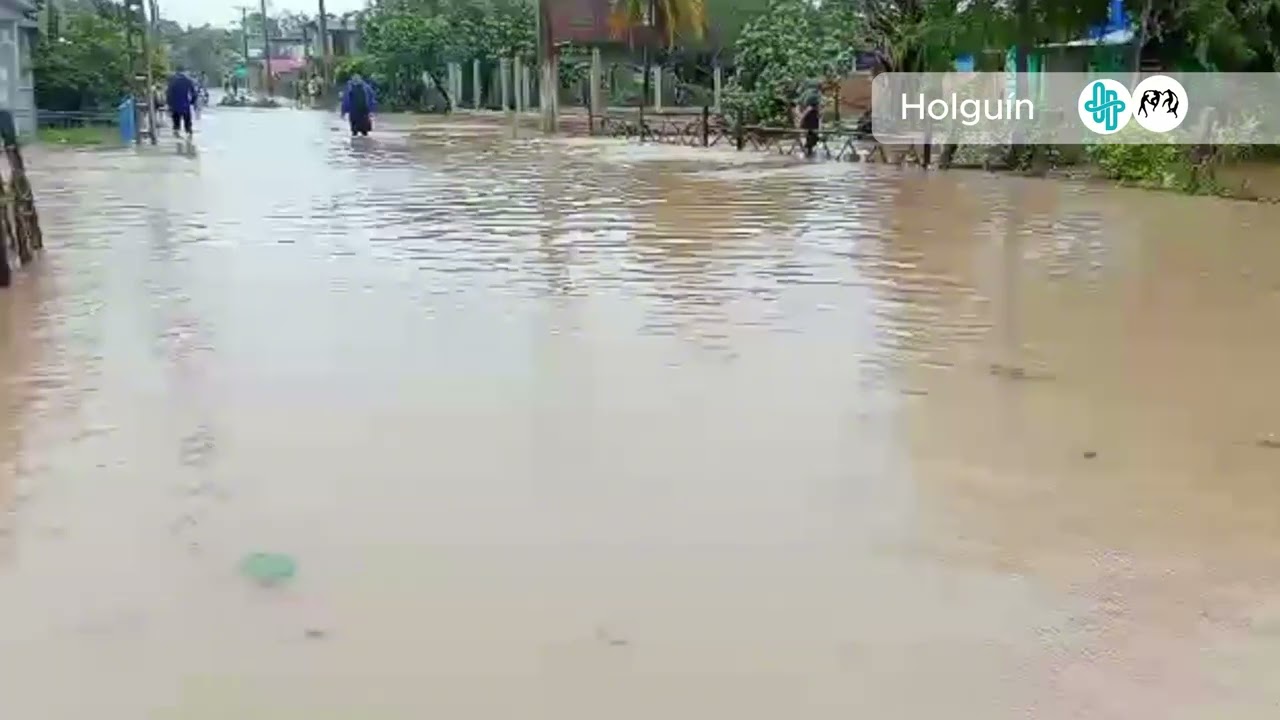
cuba Faces Dual Crisis: Hurricane Recovery complicated by Looming Disease Outbreak
Following the devastating impact of Hurricane Melissa, Cuba is battling a double emergency: widespread destruction alongside a rapidly escalating risk of tropical viral diseases like dengue, chikungunya, and oropouche.
The International Federation of Red Cross and Red Crescent Societies (IFRC) has launched a CHF 15 million ($18 million USD) emergency appeal to support approximately 100,000 Cubans affected by the hurricane and the growing health threat. hurricane Melissa, one of the strongest storms in Cuban history, caused severe damage across eight provinces after making landfall on October 28, 2025. This disaster compounds existing challenges, as Cuba has already been experiencing a rise in mosquito-borne arbovirus diseases.
The combination of destroyed infrastructure, widespread flooding, and disrupted water supplies creates ideal conditions for these diseases to spread rapidly. “Hurricane Melissa not only destroyed homes, but also created the conditions in which infectious diseases can spread explosively,” warns Carlos Pérez Díaz, Executive President of the Cuban Red Cross, highlighting the proliferation of mosquito breeding grounds in stagnant floodwaters.
The Cuban Red Cross, in collaboration with the Ministry of Health, is implementing a complete response. This includes distributing essential relief supplies, strengthening epidemiological monitoring, improving water treatment and hygiene practices, and deploying mobile health teams to provide medical care and early disease detection in affected areas.
A key focus is restoring access to safe drinking water through the distribution of treatment kits, hygiene packages, and the installation of sustainable water pumps. Educational campaigns on water safety,waste management,and mosquito repellent use are also underway to protect the population.
“After the destruction caused by the storm, Cuba faces a second, invisible catastrophe: the outbreak of tropical viral diseases,” states IFRC Secretary General Jagan Chapagain. These relief efforts are critical to preventing the collapse of the health system and saving lives.
The IFRC’s two-year aid program aims to provide both immediate assistance and build long-term community resilience to future health and climate risks. Experiences from past disasters demonstrate a growing pattern of interconnected climate events and disease outbreaks in Cuba. “We are seeing a growing overlap of climate disasters and disease outbreaks in Cuba,” explains Loyce Pace, IFRC Regional Director for the Americas. “our partnership with the Cuban Red Cross aims to better prepare the population for both.”
While rebuilding efforts continue,international aid is increasingly prioritizing preventative measures. Training on safe water practices, waste disposal, and vector control will be crucial in mitigating the risk of future outbreaks. Addressing this complex crisis requires more than just rebuilding buildings; the fight against the looming epidemic of tropical diseases will be crucial to Cuba’s long-term survival and preventing a deeper humanitarian crisis.
