
protect Yourself: Proper Handwashing Crucial as Flu Season Intensifies
Health officials are bracing for what they are calling the worst flu season in a decade,making diligent hygiene practices more important than ever. While often considered a simple act, handwashing’s effectiveness hinges on how it’s done.Improper technique can leave you vulnerable to infection, despite your best efforts.
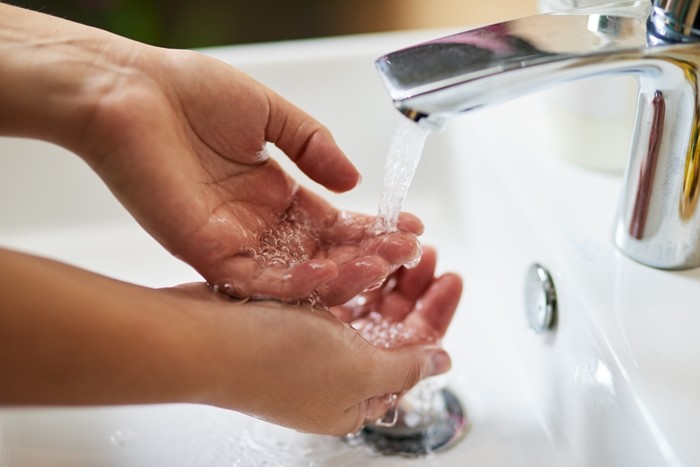
Effective handwashing requires more than a swift rinse. It’s vital to thoroughly clean not only the palms, but also the backs of hands, between fingers, under fingernails, thumbs, and wrists – areas where bacteria accumulate most readily. Keeping fingernails trimmed short also aids in preventing infections. The process should take at least 30 seconds.
Experts emphasize that handwashing isn’t merely about cleanliness; it’s a “scientific act that blocks the spread of viruses.” the surfactant in soap works by destroying the virus envelope and inactivating it.
Hand Sanitizer: A Supplement, Not a Substitute
The use of hand sanitizer has increased since the COVID-19 pandemic, offering a convenient option when soap and water aren’t available. Though, sanitizers aren’t a complete replacement. Products containing over 60% alcohol can kill many bacteria and viruses, but their effectiveness diminishes on oily or dusty hands.
If hands are visibly soiled or have been in contact with food, washing with soap and water is essential. Hand sanitizer should be considered an “auxiliary means” for situations where water isn’t accessible,such as during commutes or after using public transportation.
When to Wash: Key Moments for Hygiene
Numerous situations call for handwashing. It’s crucial to wash upon returning home, before and after eating, after using the bathroom, after coughing or sneezing, and after using public transportation. Individuals who frequently touch their faces should prioritize more frequent handwashing.
The Korea Disease Control and Prevention Agency recommends washing hands at least eight times daily. Studies demonstrate that consistent handwashing can reduce the incidence of infectious diseases by up to 40%.
Beyond Temperature: Focus on Time and Technique
Contrary to popular belief, hot water isn’t necessarily more effective at killing germs. “Amount of soap bubbles” and “rubbing time” are far more critically important than water temperature. Excessively hot water can damage the skin’s natural oil film, causing dryness and microscopic wounds that can allow bacteria to penetrate. Lukewarm or cold water is sufficient.
Thorough drying with a clean towel or disposable tissue is also essential, as wet hands are more susceptible to re-contamination. Applying moisturizer after washing helps prevent dryness.
Six Steps to Proper Handwashing:
- Place palms together and rub.
- Rub palms and backs of hands.
- Rub between fingers.
- Wipe by rubbing fingers together.
- Swipe thumb with opposite hand.
- Rub thoroughly under nails and wrists.
Repeat these steps for approximately 30 seconds, then rinse thoroughly with running water. Moisturizing afterward is a beneficial final step.
