
Home Electricity Leaks Pose Hidden Dangers
Experts Warn of Shock Risks, Provide DIY Detection Method
Electrical faults at home can lead to dangerous situations, with leaks posing a significant risk. Homeowners are urged not to attempt repairs themselves and to contact professionals like PLN or qualified electricians to prevent accidents.
Identifying the Signs of Leakage
According to Yudhi Maharsa Jaya, SPV Engineering at PLN ULP Sawangan Depok, electricity leakage can be hazardous. He highlighted that leaks are particularly dangerous when located near metal objects or water sources, as electricity can easily conduct through these elements.
“Suppose the cable path passes through iron. Now there may be a little sting, (though) the leak is still small, it can be shocked the harsh language,”
—Yudhi Maharsa Jaya, SPV Engineering PLN ULP Sawangan Depok
Yudhi further explained, “(The flow near the water) is also affected because if as far as I know, I once had an incident related to a leaky installation.”
Simple Test for Electrical Leaks
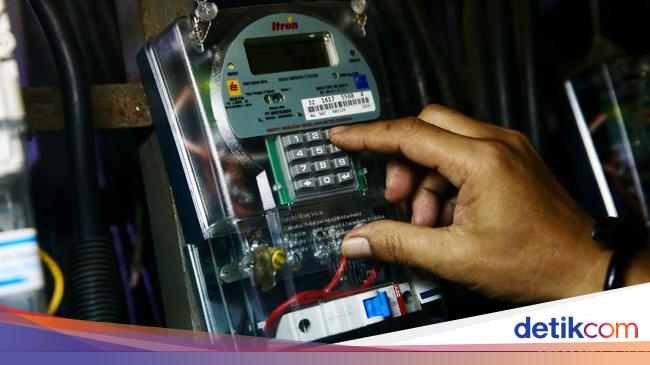
Detecting an electrical leak at home can be done with a straightforward test using your prepaid electricity meter, provided it has a button interface. Follow these steps to check for potential issues.
First, ensure all electronic devices are switched off and unplugged. Then, turn off the main switch on your electricity meter. After this, press the number ’44’ and then the enter button.
The number displayed on the meter will indicate the status. A reading of ‘0’ suggests no leakage. However, if the meter shows numbers ‘1’, ‘2’, or any figure with a decimal point, it signals an electrical leak within the home’s wiring system.
“It should show the number 0. But for example there are numbers 1, 2, or 1.3, well there is a leak on the installation side,”
—Yudhi Maharsa Jaya, SPV Engineering PLN ULP Sawangan Depok
Common Causes of Electrical Leaks
Aging Infrastructure
One primary cause of electricity leaks is the age of electrical cables. Worn-out wiring in installations, lighting fixtures, sockets, and connected appliances increases the risk of faults.
Improper Installation Practices
Incorrect cable installation can also lead to leaks. Yudhi pointed out that using cables with incompatible current capacities or making careless connections can result in issues. Exposed or poorly insulated connections are particularly prone to causing leaks or short circuits.
Overloaded Socket Connections
The use of multi-socket adapters or daisy-chaining numerous connections can also contribute to electrical leaks. This practice can lead to overheating and potentially sparks, increasing the risk of a fire. In the United States, the National Fire Protection Association reported that electrical distribution, lighting, and power equipment were factors in an estimated 7,570 home structure fires in 2022 (NFPA, 2022).
