How Neoliberal Policy and Corporate Greed Hallowed Out and Collapsed Higher Education
Portland State Faces $35 Million Shortfall as Crisis Spreads Nationwide
Higher education is buckling under mounting fiscal pressures. Portland State University has announced a projected $35 million deficit, a stark indicator of a broader national crisis that triggered 9,000 job cuts and buyouts across U.S. colleges in 2025. According to reports published by Truthout, decades of corporate management models, administrative bloat, and declining public investment have pushed academic institutions toward systemic collapse.
The Corporate Shift and Fiduciary Mismanagement
For years, universities have operated increasingly like business entities rather than public goods. Strategic plans across campuses have mainstreamed corporate terminology such as return on investment, revenue-generating, and bottom line. According to data highlighted by the American Association of University Professors, faculty salaries have failed to recover from decreases experienced during the early COVID-19 pandemic. Capital, meanwhile, has continually funneled into real estate expansions, athletic programs, and costly administrative consulting firms.
This market-driven approach has dismantled traditional support structures. Institutions increasingly rely on adjunct labor, a transient workforce often described as the gig academy, which undercuts job stability and weakens shared governance. Non-instructional spending has surged right alongside it. A report by Forbes warned that exponential growth in administrative bloat directly drives up tuition costs while steering vulnerable institutions toward financial distress.
Targeting the Arts, Humanities, and Sciences
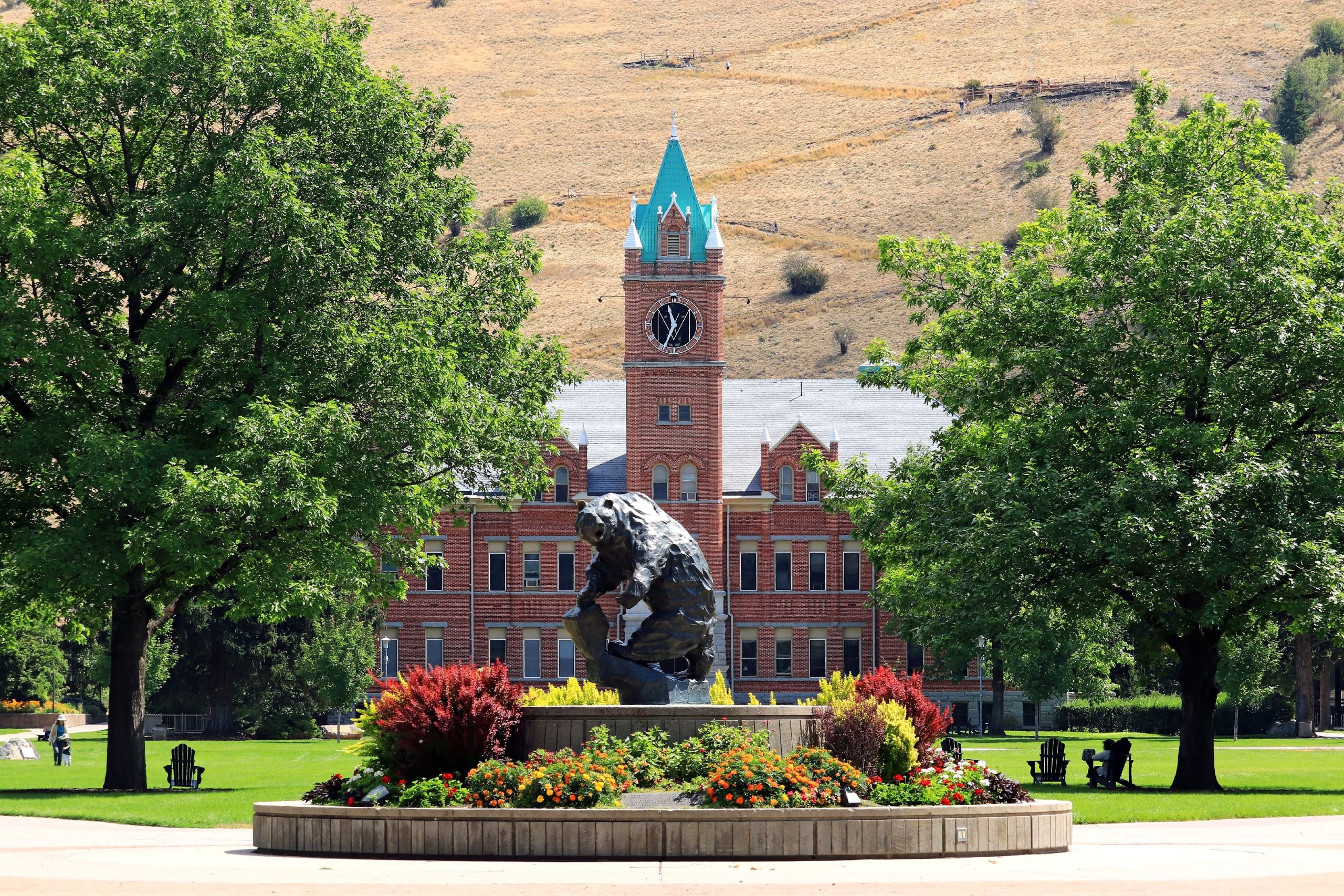
As financial deficits mount, administrators frequently target the arts, humanities, and sciences for reduction or elimination under the guise of academic prioritization or long-term sustainability. At the University of Montana, administrators eliminated the master’s degree program in English focused on Literature and Ecocriticism. English Department Chair Louise Economides stated that cutting such core subjects feels like cutting out “the heart of the humanities.”
Employment Outcomes Contradict Budget Cuts
Despite systematic cuts, statistical evidence demonstrates that humanities graduates maintain strong employment outcomes. Data compiled by the American Academy of Arts and Sciences and cited by the Mellon Foundation indicates that 96.3 percent of terminal humanities bachelor’s degree holders between the ages of 23 and 32 were fully employed, with earnings and job satisfaction matching counterparts across other academic fields. Critics argue that devaluing these disciplines undermines deep critical thinking and ethical reasoning necessary for a functioning civil society.
For students and families navigating these volatile economic conditions, the financial burden remains staggering. Undergraduate education costs routinely exceed $60,000 annually at many institutions, with select universities charging upwards of $90,000 per year. When academic institutions face insurmountable structural deficits without federal bailouts, students experience severe educational disruptions and programme closures.
Toward Institutional Reform
Restoring stability to higher education demands a fundamental shift away from purely transactional, profit-driven models. Scholars and alumni argue that the primary mission of a university must return to fostering critical thought, democratic participation, and community engagement. Without structural accountability and reinvestment in faculty and core academic disciplines, observers warn that the ongoing contraction of higher education will permanently weaken civil society and public trust.
