
Thailand, Cambodia Clash Over Border; Drones and Jets Engaged
Dispute over sacred sites escalates with modern warfare mix
A fierce border confrontation between Thailand and Cambodia in late July saw heavy artillery, rocket barrages, and the debut of drones and precision-guided munitions in the long-simmering territorial dispute. The fighting, centered on culturally significant temple areas, resulted in dozens of casualties, including civilians, before a ceasefire was brokered.
Artillery Barrages Mark Escalation
The conflict ignited on July 24 with Cambodian BM-21 Grad rockets reportedly striking near the Ta Muen Thom temple, claiming 11 Thai civilians and a soldier. This triggered retaliatory strikes, intensifying the hostilities. Both nations possess substantial artillery arsenals, with Cambodia heavily relying on rocket systems from Russia, Czech Republic, and China. Thailand employs similar Chinese systems, alongside advanced French and Israeli truck-mounted howitzers.
Cambodia fields potent 300mm rocket launchers with ranges exceeding 80 miles. Thailand, meanwhile, operates satellite-guided rockets capable of precision strikes. While direct long-range attacks were not confirmed, Thai media claimed the destruction of a Cambodian rocket launcher. Howitzers, including World War II-era models and modern systems, were also heavily engaged, with Thailand admitting the use of cluster munitions against Cambodian military targets.
Air Power Enters the Fray
For the first time, Thailand deployed combat aircraft, primarily F-16 fighter jets, to strike Cambodian command posts and artillery positions. These attacks utilized laser-guided bombs and, in one instance, Swedish-made Gripen-C jets armed with precision munitions. The Royal Thai Air Force maintains a significant fleet of F-16s, many updated with modern systems. They also operate Gripens, known for their lower operating costs and shorter runway capabilities.
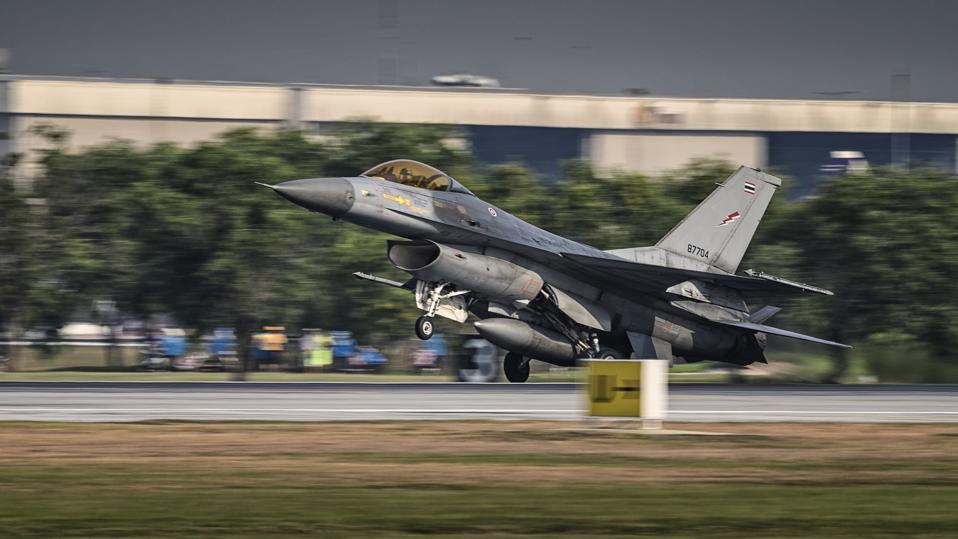
Thai aircraft also employed GPS-guided glide bombs and air-to-ground missiles, allowing them to engage targets from safer standoff distances. While Cambodia lacks jet fighters, it has acquired Chinese medium-range surface-to-air missile systems, which could pose a threat to Thai aircraft. However, Thailand also possesses these missiles and may have developed countermeasures.
Drones Offer Tactical Edge and Propaganda
The conflict saw the tactical use of drones, particularly by Thailand. Videos released by the Thai military showcased quadcopter drones dropping mortar rounds on Cambodian positions, reportedly destroying rocket launchers. While Cambodian troops managed to shoot down some drones, electronic warfare remains a more effective defense. The visual evidence from drone attacks provided concrete proof of tactical successes for the Thai forces.
The integration of drones, alongside artillery and air power, likely inflicted the majority of casualties and generated significant media attention. In 2023, the United Nations reported over 100,000 internally displaced persons due to drone warfare globally, highlighting the increasing impact of unmanned aerial systems in conflict zones.
