
Global Aid Cuts Threaten Lifesaving Vaccinations
Millions of children at risk as funding dries up, sparking fears of disease outbreaks.
As humanitarian aid faces unprecedented funding shortfalls, critical vaccination programs are in danger, leaving millions of children in conflict zones and crisis-affected areas vulnerable to preventable diseases. The consequences could be dire.
Impact of Funding Shortfalls
In 2024, a staggering $25 billion funding gap emerged between the funds requested by the United Nations and the contributions received, severely hindering global humanitarian operations. Early in 2025, the U.S. State Department, once the world’s leading aid provider, terminated more than 10,000 foreign assistance grants and contracts, further disrupting life-saving vaccination efforts.
These funding reductions arrive as national health systems struggle to reach children in conflict and crisis zones with essential immunizations. A recent study published in The Lancet found that disruptions in vaccination campaigns could lead to a significant resurgence of preventable diseases, particularly measles (The Lancet, 2022).
Dire Consequences for Disease Prevention
Policy changes have had a detrimental impact on vaccination funding, including programs led by Gavi, the Vaccine Alliance. Infectious disease outbreaks cost the world approximately $60 billion annually; however, disease prevention through routine immunization is demonstrably effective.
The International Rescue Committee (IRC) reports that of the 13 countries most affected by aid cuts, ten are among the bottom 20 globally for measles immunization rates, revealing a dangerous lapse in disease prevention. This is especially concerning as climate change elevates the risks of infectious diseases, undermining global health initiatives.
Due to funding shortfalls, about 300 IRC-supported healthcare facilities are at risk of closing. The IRC delivers roughly 4.3 million services for communicable diseases worldwide, including 1.7 million services to children under 5, which are vital for outbreak prevention and control. Immunization programs in Burkina Faso, Nigeria, and Afghanistan are all threatened.
A Threat to Global Health Security
“Preparing for the next pandemic starts by investing where outbreaks begin,”
says **Dr. Mesfin Teklu Tessema**, Senior Director of Health at the IRC. “Global health security is not a luxury. It is a strategic imperative—one that demands sustained, coordinated investment.”
Cutting vital immunization programs and primary healthcare services heightens the risk of infectious disease outbreaks that could affect everyone. Without prevention and treatment, diseases are more likely to spread, mutate, and become harder to manage.
With 21 million under-immunized children globally, reaching underserved communities is crucial for preventing outbreaks that jeopardize regional and global health security.
IRC’s Solution: Expanding Access to Vaccines
The IRC is dedicated to ensuring that children receive all life-saving vaccines, prioritizing immunization within its child health programs. In 2024, IRC protected over 700,000 children under one year old against vaccine-preventable diseases via the third dose of the diphtheria, tetanus, and pertussis (DTP) vaccine.
To broaden access to essential healthcare, including immunizations, the IRC has launched initiatives to maximize its impact, particularly in fragile and conflict-affected regions. In 2022, the IRC initiated the Reaching Every Child in Humanitarian Settings (REACH) project with Gavi, the Vaccine Alliance. The goal is to utilize IRC’s expertise to ensure that even the most isolated children receive all national schedule vaccines.
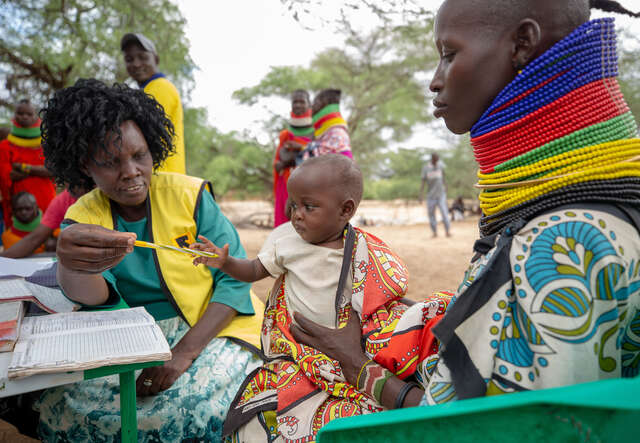
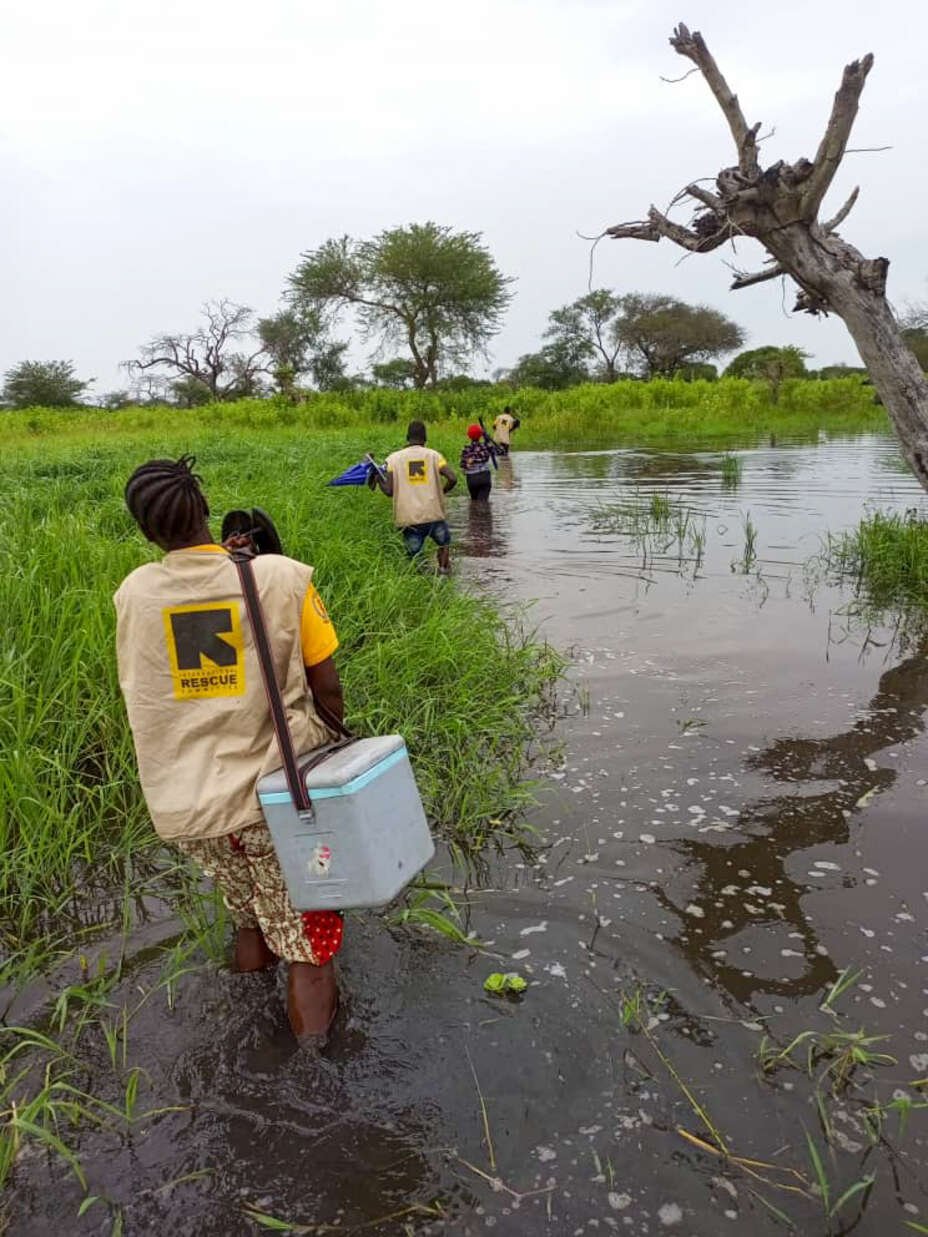
Using methods like mobile clinics and local community teams, IRC teams reach populations in areas where government health systems are compromised by conflict, danger, or climate-related issues.
Since its inception, the REACH consortium has enabled health workers to administer over 13 million vaccine doses to children across the Horn of Africa, with recent expansions into Chad and Nigeria.
Reaching the Last Mile
Flexible, evidence-based interventions enable the IRC to administer essential vaccines, optimizing the impact of every dollar spent. Training and supporting community health workers with local knowledge is a key component. In 2024, the IRC supported 15,800 community health workers to ensure more children are protected.
In South Sudan, the IRC collaborated with community health workers and leaders to promote vaccines for diseases such as polio, measles, and diphtheria. Community health workers were also encouraged to share community feedback with health officials and counter misinformation.
How to Support Vaccine Programs
Support is urgently needed to enable humanitarian organizations to continue providing life-saving services. Investing in IRC’s Primary Healthcare Programs, which focus on proven interventions, empower local responders, and implement smart financing strategies, maximizes the impact of available resources for those most in need.
Collective action can prevent this funding crisis from escalating into unprecedented suffering, paving the way for sustainable relief and long-term resilience for vulnerable populations.
Donate: Financial contributions are essential for organizations like the IRC to prevent, treat, and contain infectious diseases. Donations can empower our work in the U.S. and over 40 countries.
Get connected: Follow our Instagram, LinkedIn, Facebook and Bluesky accounts.
Stay informed: Subscribe to IRC alerts for updates on our programming and learn how you can make a difference.
Continued Commitment to Healthcare
Every child deserves healthcare and protection, regardless of crisis. Due to aid cuts, vulnerable children relying on humanitarian aid may be left with nothing. This is a matter of life or death.
With over 90 years of experience, the IRC remains focused on assisting those in crisis, working with communities, and treating people with dignity. Our commitment to supporting hard-to-reach communities with life-saving immunization will not waver.
*Names changed for privacy reasons.
