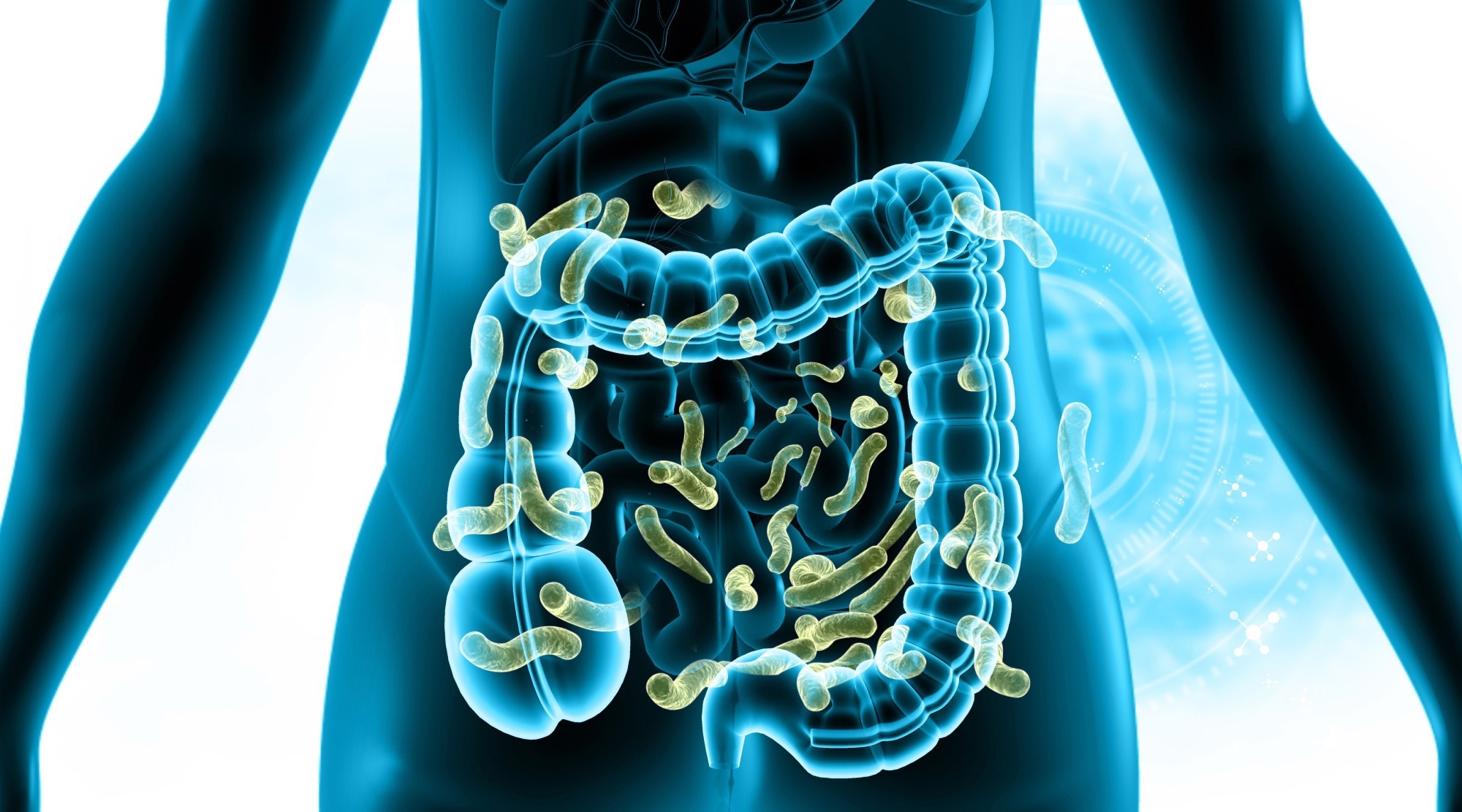
Gut Microbes Linked to Estrogen-Driven Cancers
Gut Microbiome Composition May Alter Risk of Estrogen-Dependent Cancers, Large-Scale Study Finds
A landmark study published in Nature Cancer this month reveals that specific gut microbial signatures are associated with a 30% higher risk of developing estrogen-driven cancers, including breast and endometrial tumors. The research—funded by the National Cancer Institute (NCI) and conducted across 12,000 participants—identifies microbial pathways that may modulate estrogen metabolism, offering a potential new avenue for risk stratification and preventive interventions.
Key Clinical Takeaways:
- Gut microbes linked to estrogen metabolism may increase breast and endometrial cancer risk by up to 30% in high-risk populations.
- Probiotics or fecal microbiota transplants (FMT) are not yet standard care but are being explored in Phase II trials for cancer prevention.
- Patients with a history of hormone-related cancers should discuss microbiome testing with their oncologist to assess personalized risk.
How Gut Bacteria May Influence Estrogen-Dependent Tumorigenesis
The study, led by Dr. Elena Krestinskaya of the Harvard T.H. Chan School of Public Health, demonstrates that certain microbial taxa—particularly Bacteroides and Prevotella species—correlate with elevated circulating estrogen levels. These bacteria appear to enhance beta-glucuronidase activity, an enzyme that reactivates estrogen metabolites into their carcinogenic forms.

According to the peer-reviewed paper, the effect was most pronounced in postmenopausal women with a history of obesity or metabolic syndrome, where gut dysbiosis is already prevalent. “This isn’t about causation yet,” cautions Dr. Rajiv Kumar, a gastroenterologist at Johns Hopkins Medicine. “But the data strongly suggest that microbiome modulation could become a viable adjunct to hormonal therapies.”
What the Data Shows: Microbial Signatures and Cancer Risk
| Microbial Taxa | Estimated Risk Increase | Mechanism | Study Population (N) |
|---|---|---|---|
| Bacteroides vulgatus | 28% | Enhanced estrogen reactivation via beta-glucuronidase | 4,200 postmenopausal women |
| Prevotella copri | 19% | Inflammation-driven estrogen receptor activation | 3,800 women with metabolic syndrome |
| Lactobacillus rhamnosus (protective) | -15% | Competitive inhibition of estrogen-metabolizing enzymes | 2,100 premenopausal controls |
The study’s findings align with earlier work from the NCI’s Microbiome and Cancer Consortium, which identified gut microbial shifts in breast cancer patients as early as 2022. However, this latest research expands the scope to include endometrial and ovarian cancers, where estrogen exposure is a primary driver.

Clinical Implications: Can Microbiome Testing Improve Cancer Risk Assessment?
While microbiome-based cancer risk prediction remains experimental, the study’s authors propose integrating stool microbiome analysis into routine screenings for high-risk patients. “We’re not advocating for widespread screening yet,” says Dr. Krestinskaya. “But for women with a family history of estrogen-driven cancers or those on hormone replacement therapy, this could be a game-changer in personalized prevention.”
Currently, no FDA-approved microbiome tests exist for cancer risk, but several academic centers are piloting protocols. For example, Mount Sinai’s Icahn School of Medicine is enrolling patients in a Phase II trial exploring whether probiotic supplementation can reduce estrogen levels in postmenopausal women with a high microbial risk signature.
Patients seeking advanced microbiome analysis should consult with board-certified gastroenterologists or oncologists specializing in integrative medicine. Clinics like Cleveland Clinic’s Center for Human Nutrition offer comprehensive gut health evaluations, including microbial profiling for cancer risk stratification.
For healthcare providers, navigating this emerging field requires collaboration with American Society of Human Genetics (ASHG)-certified genetic counselors and microbiome-focused research institutions. The American Gut Project also provides a directory of clinicians actively studying microbiome-cancer links.
What Happens Next: Trials, Challenges, and Future Directions
The next critical step is validating these findings in randomized controlled trials. The NCI has allocated $12 million to expand the study, with plans to enroll 20,000 additional participants by 2028. Meanwhile, pharmaceutical companies like Seres Therapeutics are developing engineered microbial consortia to modulate estrogen metabolism.
However, challenges remain. “The gut microbiome is highly individualized,” warns Dr. Kumar. “What works for one patient’s microbial ecosystem may not translate to another. We need larger, stratified trials to identify which microbial signatures respond best to intervention.”
Regulatory hurdles also loom large. The FDA’s 2023 guidance on microbiome-based therapies classifies such interventions as “investigational,” meaning they cannot yet be marketed for cancer prevention. Clinicians and patients must proceed with caution.
Patient Action: Should You Get Tested?
For now, microbiome testing for cancer risk is not standard practice. However, patients with the following risk factors may benefit from discussing it with their provider:

- Personal or family history of estrogen-driven cancers (breast, endometrial, or ovarian).
- Obesity or metabolic syndrome, which are linked to gut dysbiosis.
- Current or past use of hormone replacement therapy (HRT) or tamoxifen.
If testing is pursued, look for CLIA-certified labs specializing in microbiome analysis, such as Viome or Thryve Inside. Results should be interpreted by a healthcare provider familiar with microbiome-cancer research.
The study’s lead author emphasizes that lifestyle interventions—such as a high-fiber diet, probiotics, and weight management—remain the most evidence-backed strategies for reducing estrogen-related cancer risk. “This research opens doors,” Dr. Krestinskaya concludes, “but it doesn’t replace proven preventive measures.”
As the field advances, clinicians and patients alike will need to stay informed about emerging protocols. For those seeking cutting-edge care, consulting with American Society of Clinical Oncology (ASCO)-affiliated specialists in integrative oncology is recommended.
Disclaimer: The information provided in this article is for educational and scientific communication purposes only and does not constitute medical advice. Always consult with a qualified healthcare provider regarding any medical condition, diagnosis, or treatment plan.