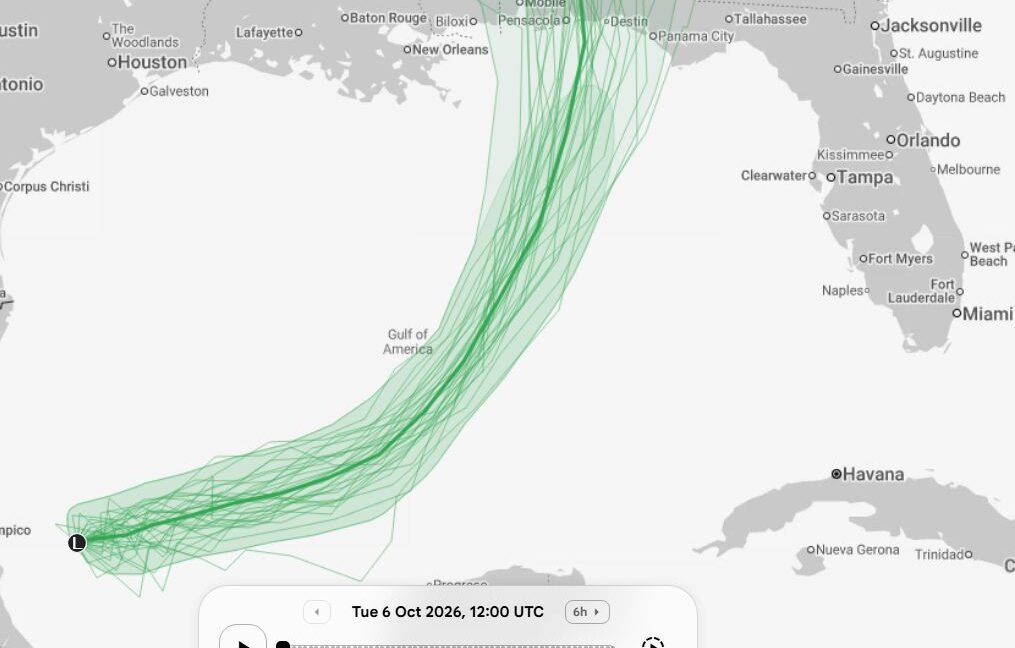
Gulf of Mexico system could end historic lack of Atlantic hurricanes
Gulf of Mexico Low-Pressure System Threatens Late-Season Hurricane Record
A low-pressure system churning in the western Gulf of Mexico is expected to develop into a tropical storm and carries a strong probability of intensifying into a hurricane according to forecast modeling. As arstechnica.com reported, an October hurricane would normally be routine, but this year’s potential storm carries historic weight because the Atlantic has not yet recorded a single hurricane.
The Tech TL;DR:
- A western Gulf of Mexico low-pressure system is tracking toward tropical storm and potential hurricane status.
- No Atlantic hurricane season in modern records dating back to World War II has ever gone this late without a hurricane forming.
- A strengthening El Niño driving high wind shear across the tropical Atlantic has kept the current season exceptionally quiet.
Historical Context in Modern Satellite Records
The Atlantic hurricane season formally runs from June 1 through November 30. However, historical data shows that the vast majority of tropical systems form between mid-August and mid-October, meaning the seasonal window is closing rapidly. In the modern observational era, which relies on aircraft reconnaissance and continuous satellite coverage established around World War II, an Atlantic season has never failed to produce a hurricane. Only two historical years, 1907 and 1914, recorded zero hurricanes. Those early-century counts lack the verification of modern meteorological aircraft, leaving open the possibility that open-ocean storms went undetected before continuous aerial monitoring began.
El Niño Wind Shear Disrupts Tropical Formation
Meteorological data indicates that the exceptionally quiet tropics stem directly from a strengthening El Niño phase projected to reach historic intensity. El Niño conditions typically generate high levels of wind shear across the tropical Atlantic basin. This atmospheric dynamic continuously disrupts the vertical organization of developing tropical systems, preventing them from consolidating their core circulation. This persistent shear barrier has defined the entirety of the season to date, making it statistically the quietest on record by multiple operational metrics.