
greenpeace reports: Wildfires, Ocean Protection, and Global Environmental Action
environmental advocacy group Greenpeace has been actively engaged in critical fieldwork across the globe this week, from documenting the devastating impact of wildfires to championing ocean conservation and preventative measures against future ecological disasters. These efforts underscore the organization’s commitment to bearing witness to environmental injustice and promoting enduring solutions.
Spain grapples with Extensive Wildfires
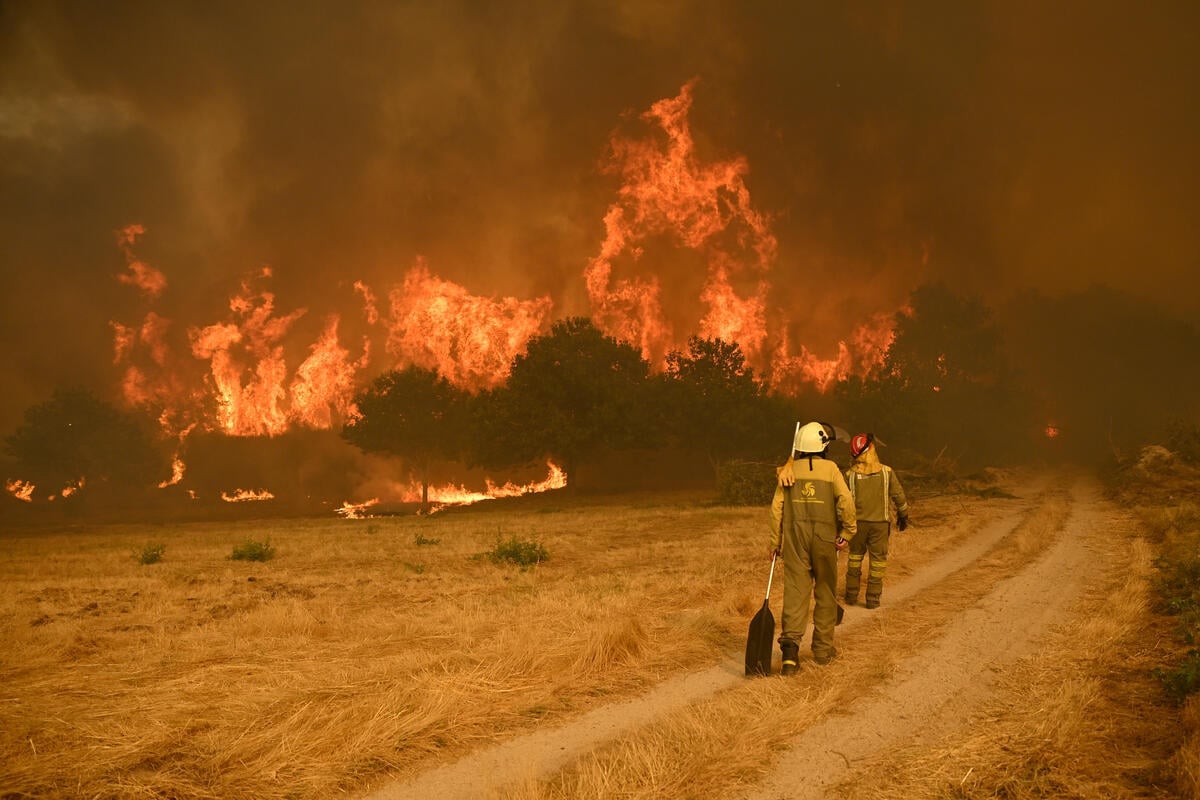
Spain is currently battling widespread wildfires that have already consumed nearly 400,000 hectares of land, resulting in tragic loss of life and widespread community disruption. Greenpeace is on the ground documenting the scale of the devastation and its impact on local ecosystems and populations. The increasing frequency and intensity of wildfires are linked to climate change, as highlighted by the Intergovernmental Panel on Climate Change (IPCC) in its Sixth Assessment Report [1].
Indonesia Prioritizes Forest Fire Prevention
In Indonesia, Greenpeace’s Forest Fires Prevention Team (TCA) conducted emergency first aid training in Lebung Itam village, Ogan Komering Ilir Regency, South sumatra. This proactive training, part of the 2025 TCA program, aims to equip local communities with the skills necesary to respond effectively to potential forest fires.
Did You Know?
Indonesia experiences some of the most severe seasonal haze events in Southeast Asia, largely due to deforestation and peatland fires.
Protecting Endangered Porpoises in the baltic Sea
Greenpeace ocean campaigner Franziska Saalmann recently met with former Formula 1 world champion Sebastian Vettel at the Stralsund Maritime Museum, a partner organization, to discuss the plight of endangered porpoise populations in the Baltic Sea. Current estimates indicate between 1,300 and 5,800 porpoises remain in the southwestern and eastern Baltic Seas, with the genetically distinct eastern Baltic population dwindling to approximately 500 individuals, facing imminent extinction. This decline is attributed to factors like noise pollution, bycatch in fishing gear, and habitat degradation.
Pro Tip:
Supporting sustainable seafood choices can help reduce bycatch and protect marine mammals.
Advocating for Ocean Protection at the United Nations
Greenpeace actively participated in the second day of the Global Ocean Treaty Preparatory Commission meeting at the United Nations Headquarters in New York. The organization, in collaboration with activists, scientists, and Indigenous community members, advocated for the establishment of large-scale marine protected areas in the Atlantic and globally, aiming to achieve the “30 by 30” target-protecting 30% of the world’s oceans by 2030. The event emphasized the importance of recognizing and empowering local and Indigenous rights through co-governance models, integrating both scientific and traditional ecological knowledge. This approach aligns with the Convention on Biological Diversity’s goals for effective and equitable conservation [2].
Key Data: Greenpeace Global Initiatives – August 2025
| location | Initiative | Key Focus |
|---|---|---|
| Spain | Wildfire Documentation | Assessing damage, raising awareness |
| Indonesia | Forest Fire Prevention Training | Community preparedness, emergency response |
| United Kingdom | Porpoise conservation Advocacy | Raising awareness, promoting habitat protection |
| United States | Ocean Protection Advocacy | Marine protected areas, Indigenous rights |
For over 50 years, Greenpeace has pioneered the use of photo activism, consistently documenting environmental injustices and amplifying the voices of those affected. What role do you think citizen science can play in environmental monitoring and advocacy? How can international cooperation be strengthened to address global environmental challenges?
Greenpeace’s work reflects a long-standing commitment to environmental protection and social justice. The organization’s strategies have evolved over time, from direct action protests to collaborative partnerships with scientists, Indigenous communities, and policymakers.The increasing urgency of climate change and biodiversity loss necessitates innovative and inclusive approaches to conservation. The concept of ‘planetary boundaries’ – defining a safe operating space for humanity – provides a crucial framework for understanding the interconnectedness of environmental systems and the limits to growth [3].
Frequently Asked Questions About Greenpeace
- What is Greenpeace’s primary mission? Greenpeace aims to expose global environmental problems and promote peaceful solutions for a sustainable future.
- How does Greenpeace fund its operations? Greenpeace is funded by independent donations from individuals and foundations, accepting no government or corporate funding.
- What is the “30 by 30” target? This is a global initiative to protect 30% of the world’s land and oceans by 2030.
- How can I support Greenpeace’s work? You can donate, volunteer, or participate in online campaigns.
- What is photo activism? Photo activism uses powerful imagery to raise awareness about environmental issues and inspire action.
we hope this report has shed light on the vital work being done by Greenpeace around the world. We encourage you to share this article with your network, join the conversation in the comments below, and consider subscribing to our newsletter for more in-depth coverage of environmental issues.
