
G-Star‘s Path to International Recognition
G-Star, Korea’s premier game show, serves as a central meeting point for domestic and international game developers and players, fostering introductions and dialogue around new titles. Though, it currently lags behind established global events like Gamescom and the Tokyo Game Show in terms of scale, prestige, and international reach.
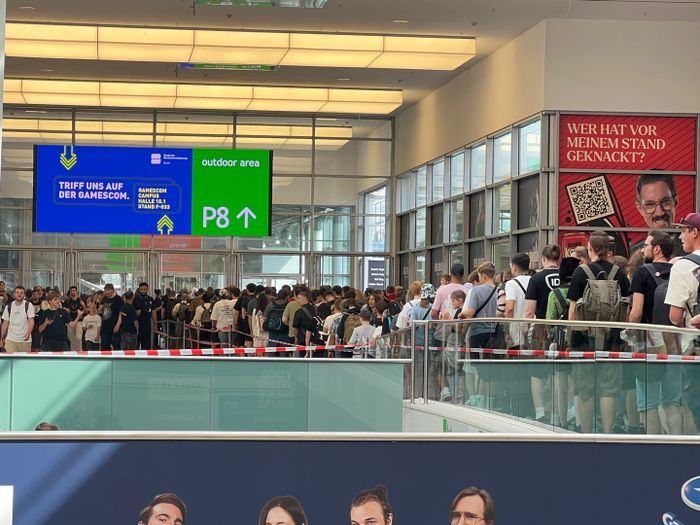
Recent reports from Gamescom, held in Cologne, germany from August 20th, illustrate the disparity.The event hosted 1568 participants across 230,000 square meters – seventeen times the size of jamsil Stadium – and attracted over 357,000 visitors from 128 countries. The attendee base was notably diverse,and the exhibitor list included industry giants such as Xbox (US),Ubisoft (France),Nintendo,Bandai Namco Entertainment,Capcom,and Konami (Japan),alongside prominent Chinese companies Tencent,Netize Games,and Game Science. Forty national pavilions representing 35 countries, including Thailand, Dubai, and Kyrgyzstan, further highlighted the event’s global scope.
Gamescom distinguished itself beyond simple exhibition, incorporating developer conferences (‘Devcom’), opening ceremonies (‘opening Night Live’), and awards shows. the city of Cologne and the German government actively supported the event, recognizing its economic benefits. This support manifested in city-wide festivals, DJ performances, and extensive infrastructure improvements focused on transportation, security, and public relations, effectively transforming Cologne into a “game city” for the duration of the show.
In contrast, G-Star is often perceived as primarily focused on Korean game companies. Titles showcased frequently include those already presented at othre international events like Summer Game Fest, Gamescom, China Joy, and the Tokyo Game Show. Last year, overseas companies were largely confined to the B2C hall at G-Star, and the majority of visitors arrived domestically by car or train.
The Korea Game Industry Association is actively working to increase international engagement through G-CON, a developer conference held alongside G-Star. This year’s efforts include critically important investment in securing prominent speakers for the Zicon Conference. However, thes initiatives primarily benefit industry professionals and facilitate B2B exchanges, offering limited appeal to the general public.
Attracting a truly international audience requires a greater presence of overseas game companies exhibiting in the B2C pavilion, offering visitors a diverse range of globally anticipated titles. Achieving this necessitates support not onyl from the Korea Game Industry Association but also from the government.Mirroring the success of Cologne during Gamescom, policy support is crucial to transform the area surrounding G-Star into a dedicated “game city.” Addressing the physical limitations of the BEXCO venue may also require government investment.
The government acknowledged the need for expansion in the 8th Contents Industry Promotion Committee meeting in june of last year, stating a goal to elevate G-Star to become one of the world’s three largest game shows through program enhancements and expanded exhibition space encompassing related industries and technologies. It is vital that this commitment translates into concrete action,moving beyond stated intentions to foster a truly international event and shed the “domestic exhibition” label it has carried for two decades.
