
## Israel Escalates rhetoric Amidst International Pressure
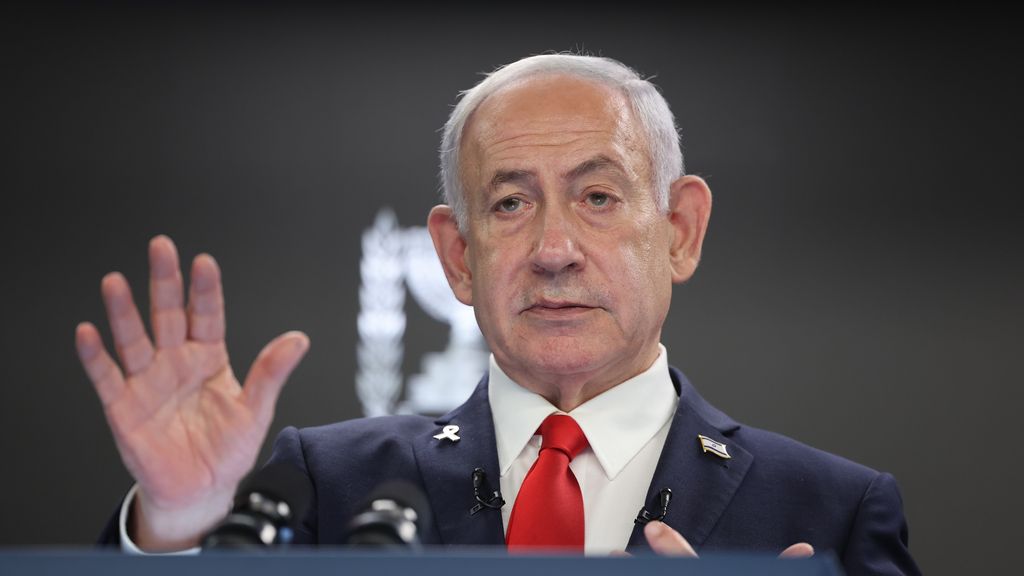
Israeli Prime Minister Benjamin Netanyahu has responded to growing international calls for recognition of a Palestinian state with sharp criticism of foreign leaders. He labeled Australian Prime Minister Anthony Albanese “a weak leader who betrays Israel” following Albanese’s consideration of recognizing Palestinian statehood. Similarly, after French President Emmanuel macron announced a similar stance, Netanyahu accused Macron of “stirring up the anti-Semitic fire in France” and indicated Israel would consider closing the French consulate in Jerusalem.
These reactions reflect a broader defensive posture within the current Israeli government,according to Eran Etzion,a former high advisor to the Israeli government. “The current government does not want to listen to friends. Thay feel attacked and that is understandable from their viewpoint,” Etzion stated.
Etzion also pointed out that the government’s base of support within Israel is limited. “20 to 30 percent of the population does not fascinate the world,” he explained, referring to the segment of Israelis who hold beliefs in Jewish superiority, both theologically and nationally. “But they are not the majority of the israelis.”
He further noted a widespread sense of being misunderstood among Israelis, compounded by unresolved trauma following the events of October 7th. “Just about every Israeli is struggling with traumas and they have not yet been processed,” Etzion said. “Consequently, there is very little understanding of criticism. We have been defending ourselves since October 7, but half of the world is talking about genocide and war crimes.” He added that many Israelis are shielded from the realities in Gaza by government control and media coverage.
Despite the criticism, Israel continues to receive support from some nations, most notably the United States, with a strong ideological alignment between the current U.S. administration and the Israeli government. Etzion observed that this government “sees liberal democracy as a threat,” citing Hungarian Prime Minister Viktor Orbán as an example of a amiable leader.
While several Western nations have voiced concerns, concrete actions against Israel have been limited. In May,the United Kingdom,France,and Canada jointly declared that Israel must halt military operations in Gaza and allow humanitarian aid access, threatening “further concrete measures” if these demands where not met. Beyond the largely symbolic possibility of recognizing a Palestinian state, however, few tangible steps have been taken.
Similarly, the Dutch government and the European Union have not implemented meaningful measures.Discussions within the EU last month regarding the cancellation of the Trade convention with Israel failed to achieve the necessary majority.
