
IDAI: Parents with Allergies Shouldn’t Restrict Baby’s First Foods
Jakarta, Indonesia – Parents with a history of food allergies do not need to limit the variety of foods introduced to their babies during the complementary feeding (MPASI) stage, according to the Indonesian Pediatrician Association (IDAI). The guidance aims to prevent needless food restrictions and perhaps increase a child’s tolerance to a wider range of foods.
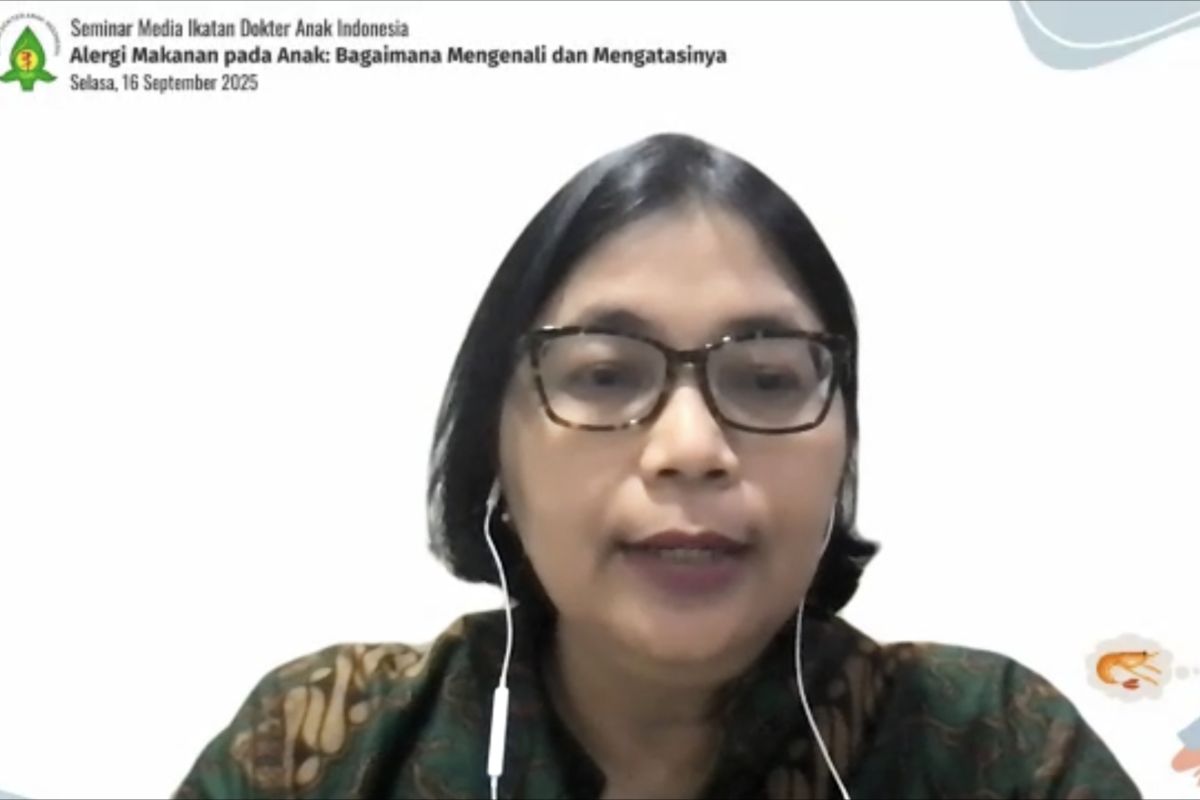
Dr. Endah Citraresmi, Sp.A, Subsp.A.im (K), from IDAI’s Immunology Allergy Coordination Work Unit (UKK), explained during a recent webinar that a parent’s allergy doesn’t automatically mean their child will develop the same condition. ”Not necessarily if the mother has an allergy, so her child automatically has allergies. Who knows the gene joins the father. So the point is that we should not be able to do it only based on fear because it will not necessarily happen,” she stated.
Dr. Citraresmi cautioned against avoiding foods out of fear, as this can actually increase the risk of allergy growth. She emphasized that early exposure to diverse foods is crucial for building tolerance. “We must introduce a variety of food when the child starts MPASI, the term is diversifying food. By introducing various types of food, we introduce children to tolerant of these foods so that it actually prevents food allergies in the future,” she said.
For parents concerned about a family history of allergies, IDAI recommends consulting with a pediatrician to assess the baby’s individual health condition and ensure optimal nutrition.
The advice comes as food allergies are a growing global concern. The UN Food and Agriculture Organization (FAO) estimates that approximately 220 million people worldwide had food allergies in 2020. A 2022 journal article, “Food Allergy in Children – The Current Status and The Way Forward,” reported that around 4 percent of children globally experience food allergies, a figure that has been rising over the past two decades. Untreated food allergies can lead to significant impacts on a child’s well-being, including stress, anxiety, poor quality of life, malnutrition, and potentially life-threatening reactions.
