Florida Southern College Creates Living Labs to Fight Citrus Greening
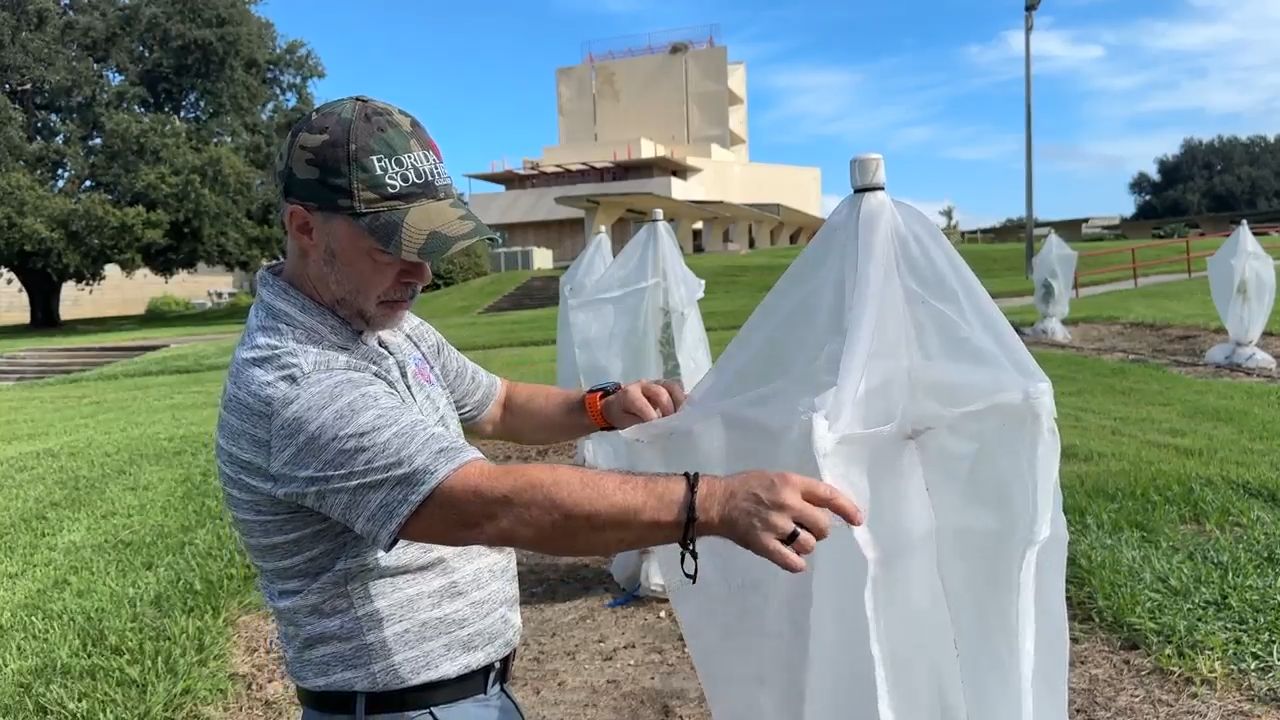
Florida Southern College has established “living laboratories” in Lakeland by planting 45 young citrus trees to combat citrus greening. The initiative, supported by industry partners, aims to provide students with hands-on research opportunities to identify sustainable rootstocks and protective technologies to revitalize Florida’s declining citrus industry.
The project arrives at a critical juncture for Florida agriculture. According to Michael Weber, dean of the Barney Barnett School of Business and Free Enterprise, the acreage devoted to citrus in the state has plummeted from over a million acres to fewer than 200,000 acres. This collapse is driven primarily by Huanglongbing (HLB), known commonly as citrus greening, a bacterial disease that kills trees and destroys fruit production.
The Mechanics of the Lakeland Living Laboratories
The college’s effort focuses on the rehabilitation of two historic campus groves. Florida Southern was originally built on orange groves in the 1920s, but those original plantings succumbed to age and viruses. To reverse this, the college partnered with Phillip Rucks ’83 and Rucks Nursery to source trees featuring rootstock specifically developed to resist HLB.
The strategy extends beyond the genetics of the trees. Citrus Service, Inc. donated specialized citrus tree tents to protect the young plants. According to the college, these tents serve three primary functions:
- Blocking the Asian citrus psyllid, the insect responsible for transmitting HLB.
- Reducing heat stress and sunburn during Florida’s summer peaks.
- Preventing moisture loss to ensure early-stage survival.
Students in the Horticulture, Land, and Resource Management program work under the guidance of Assistant Professor of Horticulture Science Dr. Shea Keene. They are tasked with monitoring the protective covers and collecting health data to determine which genetics perform best in real-world conditions.
Economic Impact and Industry Integration
The goal is to transform students into “business scientists.” Michael Weber stated that the data gathered from these groves will be shared directly with local growers. By identifying the most effective rootstocks and production systems, the college hopes to help the industry remain competitive in the global marketplace.
The college previously established the Citrus Institute in 1947, providing the state’s first grove management classes. By re-establishing these groves, Florida Southern intends to increase enrollment in its horticulture program and funnel graduates directly into the agribusiness sector.
“Florida agriculture has always been built on innovation, and these citrus innovation groves represent an investment in the future of agribusiness,” said Dr. Michael Weber.
Comparing the Scale of the Crisis
The severity of the citrus greening crisis is reflected in the dramatic shift in land usage cited by college officials.
| Metric | Historical Peak | Current Status (approx.) |
|---|---|---|
| Florida Citrus Acreage | 1,000,000+ acres | < 200,000 acres |
| Primary Threat | Various viruses/age | Huanglongbing (HLB) / Asian Citrus Psyllid |
The Environmental Protection Agency has tracked the spread of HLB.
Because the disease is systemic, once a tree is infected, there is no known cure.
A Legacy of Innovation in Polk County
The re-establishment of the groves is a collaborative effort involving alumni and local business leaders. The partnership between the Barney Barnett School of Business and Free Enterprise and entities like Rucks Nursery suggests a shift toward a more integrated model of agricultural education, where the campus serves as a testing ground for the private sector.

The long-term viability of the Florida citrus industry depends on whether these “living laboratories” can produce scalable results. If the specific rootstocks used in Lakeland prove successful, it could provide a blueprint for growers across the state to stabilize their yields.
While 45 trees on a college campus may seem small compared to the millions of acres lost, they represent a concentrated effort to engineer a survival strategy for an industry that defines Florida’s identity.