
FloridaS Perpetual State of emergency: Immigration and the Expansion of Executive Power
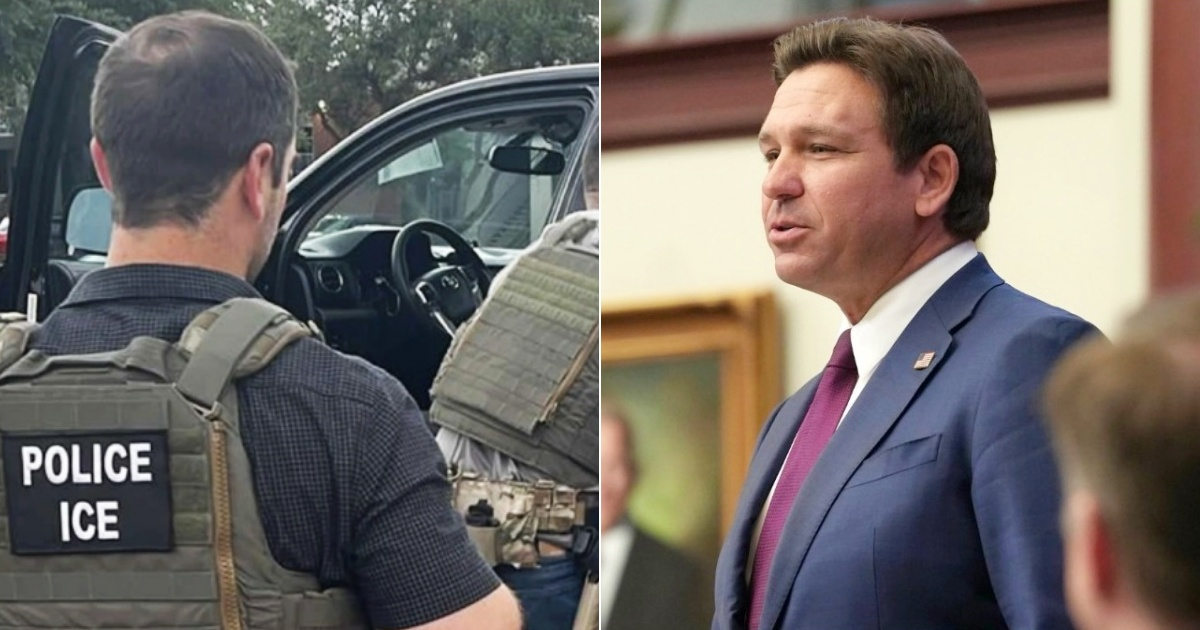
Florida Governor Ron DeSantis has onc again extended a state of emergency initially declared in 2023, ostensibly too address the ongoing issue of undocumented immigration.This move, justified by the administration as necessary due to “lack of enforcement of immigration laws at the federal level,” has sparked fierce debate and accusations of political maneuvering. The extension maintains broad, extraordinary powers for the Executive branch, allowing for rapid resource mobilization, suspension of standard administrative procedures, and action without immediate legislative oversight.
The Florida Emergency Management Act grants the governor significant authority during a declared emergency, including the ability to streamline processes, suspend hindering regulations, reallocate state funds, bypass public bidding requirements for contracts, and activate personnel or establish temporary facilities. In practice, these powers have been utilized to bolster coastal surveillance, facilitate deportations, and establish controversial detention centers - facilities like the dubbed “Alligator Alcatraz” and “Deportation depot” – dedicated to holding immigrants.
However, the prolonged and repeated use of this emergency declaration has drawn sharp criticism from Florida Democrats. They argue DeSantis is exploiting the situation for political gain, wielding unchecked power with little accountability. House Minority Leader Fentrice Driskell bluntly accused the governor of seeking to “politicize things,” while Senator Lori Berman criticized the “vulgarization of emergency powers” through repeated extensions without proper oversight. Senator Carlos Guillermo Smith highlighted the lack of transparency surrounding the allocation of funds and the number of detainees held in state-funded facilities,particularly in the everglades.
Responding to these concerns, Democratic legislators have proposed three bills aimed at curbing the governor’s authority. SCR 704, sponsored by Tina Polsky, seeks to promptly terminate the current emergency. SB 700, from Carlos guillermo Smith, would mandate legislative approval for any state of emergency extension beyond one year. SB 708, introduced by Lori Berman, proposes the creation of a state immigration control database to track detentions and deportations funded by state resources.
Despite the lack of newly published data demonstrating a significant shift in migration patterns or a demonstrable strain on state services, the DeSantis administration maintains the original conditions justifying the emergency declaration persist. DeSantis himself asserted the need to “be part of the solution and help lead the way,” rather than passively observing the issue.
The continued extension solidifies Florida’s aggressive stance on immigration and reinforces a model of direct executive control championed by DeSantis. It also intensifies the political conflict within the state, particularly with an opposition demanding transparency in fund allocation and demonstrable results.
The debate is now centered in Tallahassee,where the upcoming legislative period will likely be defined by a struggle between those seeking to limit the governor’s powers and those advocating for a continued hardline approach to immigration.The implications extend beyond immigration policy itself, potentially reshaping the balance of power between the Executive and Legislative branches and establishing a precedent for crisis management that could be applied to other areas of governance. What began as a temporary response is increasingly appearing as a permanent policy direction for the state of Florida.
