Flavonoid-Rich Foods May Reduce Genetic Breast Cancer Risk
High consumption of flavonoid-rich foods reduces the risk of breast cancer in women with a high genetic predisposition, according to research published in Nature Communications. The study indicates that dietary intake of these polyphenolic compounds can blunt the effects of polygenic risk scores, potentially lowering the incidence of malignancy even in patients with inherited susceptibility.
- Genetic Mitigation: Flavonoids may counteract high polygenic risk scores (PRS) for breast cancer.
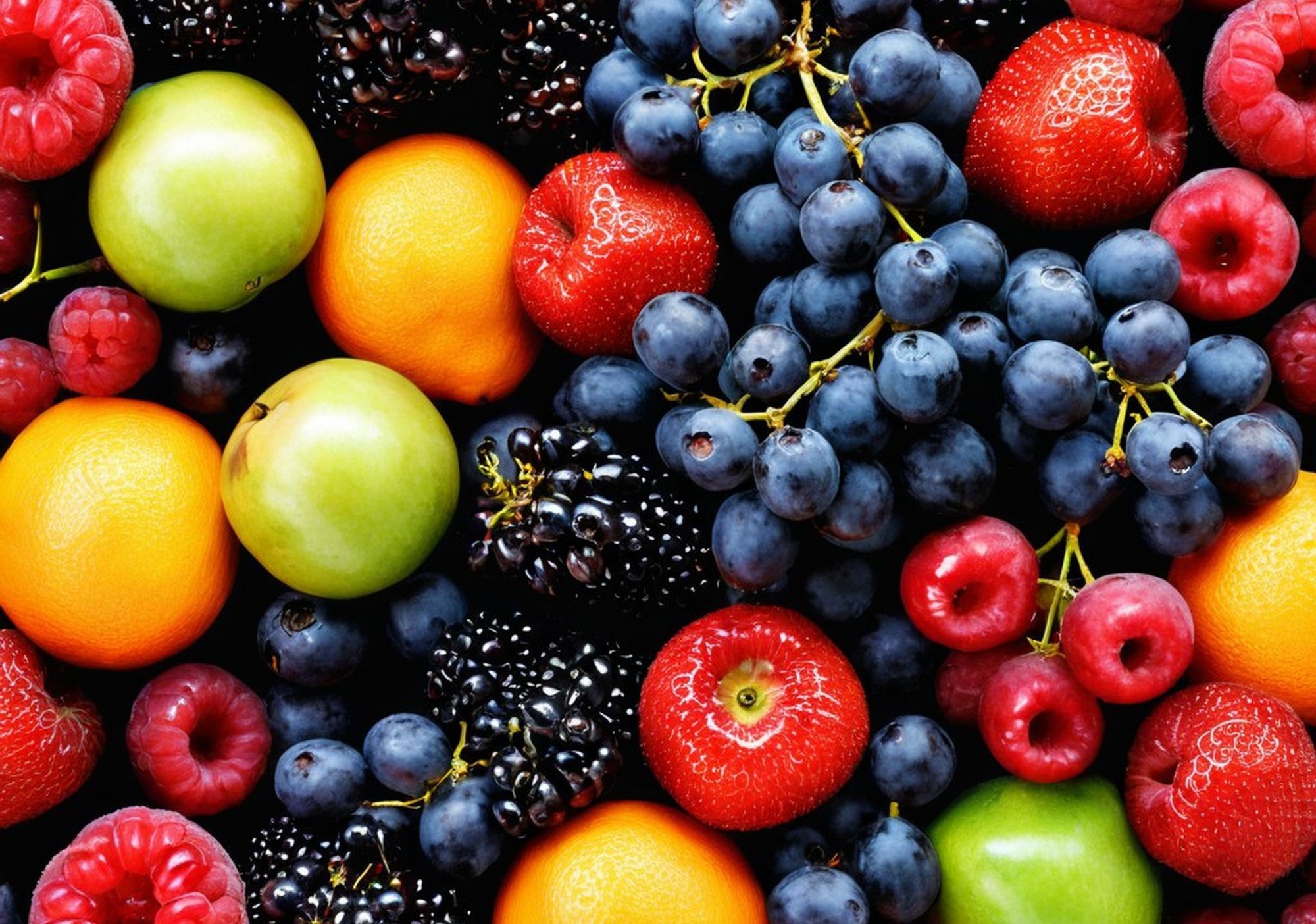
- Dietary Sources: Berries, apples, and citrus fruits contain the primary flavonoids linked to risk reduction.
- Clinical Application: Nutritional intervention serves as a non-pharmacological strategy for high-risk populations.
Breast cancer pathogenesis often involves a complex interplay between environmental triggers and inherited genetic markers. For women carrying a high polygenic risk score—a calculation based on multiple small genetic variations—the baseline probability of developing the disease is significantly elevated. This creates a clinical gap where standard screenings may not be enough to mitigate the inherent biological risk. The research identifies flavonoids as a critical modulator in this pathway, suggesting that the chemical structure of these nutrients interferes with the mechanisms that allow genetically predisposed cells to transition into malignant tumors.
How do flavonoids reduce breast cancer risk in genetically predisposed women?
Flavonoids function as potent antioxidants and signaling modulators. According to the study published in Nature Communications, these compounds influence the cellular environment by reducing oxidative stress and inhibiting pro-inflammatory pathways that often trigger oncogenesis. In women with high genetic risk, the body may be more prone to DNA damage or inefficient repair mechanisms; flavonoids appear to provide a protective layer that stabilizes these vulnerabilities.
The biological mechanism of action involves the downregulation of specific proteins involved in cell proliferation. By modulating the expression of genes related to estrogen metabolism and inflammation, flavonoids can potentially shift the cellular environment from a pro-tumorigenic state to one of stability. This suggests that the morbidity associated with high PRS is not a fixed destiny but can be influenced by precise nutritional inputs.
For women who have received a high-risk genetic profile through screening, the integration of a flavonoid-dense diet is a primary preventive measure. It is highly recommended to consult with [Board-Certified Genetic Counselors] to accurately interpret polygenic risk scores and develop a personalized prevention plan.
What are the specific dietary sources linked to this protection?
The research highlights a specific cluster of flavonoid subclasses that offer the most significant protection. These include anthocyanins, found predominantly in blueberries and raspberries, and quercetin, which is abundant in apples and onions. The study suggests that a diverse intake of these polyphenols provides a synergistic effect, meaning the combination of different flavonoids is more effective than high doses of a single compound.
The findings align with broader epidemiological data from the PubMed database, which consistently links diets rich in plant-based polyphenols to lower systemic inflammation. The study was supported by funding from academic research grants aimed at understanding the intersection of nutrigenomics and oncology.
Because dietary changes must be calibrated to a patient’s overall health status and potential contraindications—such as interactions with blood-thinning medications—patients should coordinate their nutritional strategy with [Registered Oncology Dietitians] to ensure safety and efficacy.
How does this research change the current standard of care?
Current standards of care for high-risk breast cancer patients often focus on intensive surveillance via MRI and mammography or prophylactic surgical interventions. This research introduces a “nutritional prophylaxis” layer. While it does not replace clinical screening, it provides a scalable, low-risk intervention that can be applied globally regardless of a patient’s socioeconomic status.
The shift toward personalized nutrition based on genetic markers is a hallmark of precision medicine. By identifying which patients will benefit most from flavonoid-rich diets, clinicians can move away from generic dietary advice and toward targeted prescriptions. This approach reduces the reliance on more invasive preventative measures for some patients, provided they adhere to strict dietary protocols.
Medical facilities looking to implement these precision nutrition protocols are increasingly partnering with [Clinical Nutrition Research Centers] to establish evidence-based dietary guidelines for their high-risk patient cohorts.
What are the limitations and future directions of this study?
While the correlation between flavonoid intake and reduced genetic risk is strong, the study is observational. This means it establishes a link but does not prove a direct cause-and-effect relationship in the way a double-blind placebo-controlled trial would. Future research is expected to move into clinical trials where flavonoid intake is strictly controlled to quantify the exact dosage required to blunt genetic risk.
Furthermore, the interaction between flavonoids and different types of breast cancer—such as ER-positive versus triple-negative—remains an area of active investigation. According to guidelines from the World Health Organization (WHO), integrated prevention strategies that combine lifestyle modifications with clinical monitoring offer the highest probability of reducing cancer mortality.
As the medical community moves closer to defining the precise “dose” of flavonoids needed for genetic mitigation, the role of diagnostic centers will expand. Patients requiring detailed metabolic profiling or genetic sequencing to determine their risk category should seek out [Accredited Diagnostic Imaging and Genetic Centers] to ensure their data is processed using the latest genomic standards.
The trajectory of this research suggests a future where a genetic test result is immediately paired with a specific dietary prescription. This convergence of genomics and nutrition could significantly lower the global burden of breast cancer by empowering high-risk individuals to modify their biological trajectory through accessible, evidence-based dietary choices.
Disclaimer: The information provided in this article is for educational and scientific communication purposes only and does not constitute medical advice. Always consult with a qualified healthcare provider regarding any medical condition, diagnosis, or treatment plan.