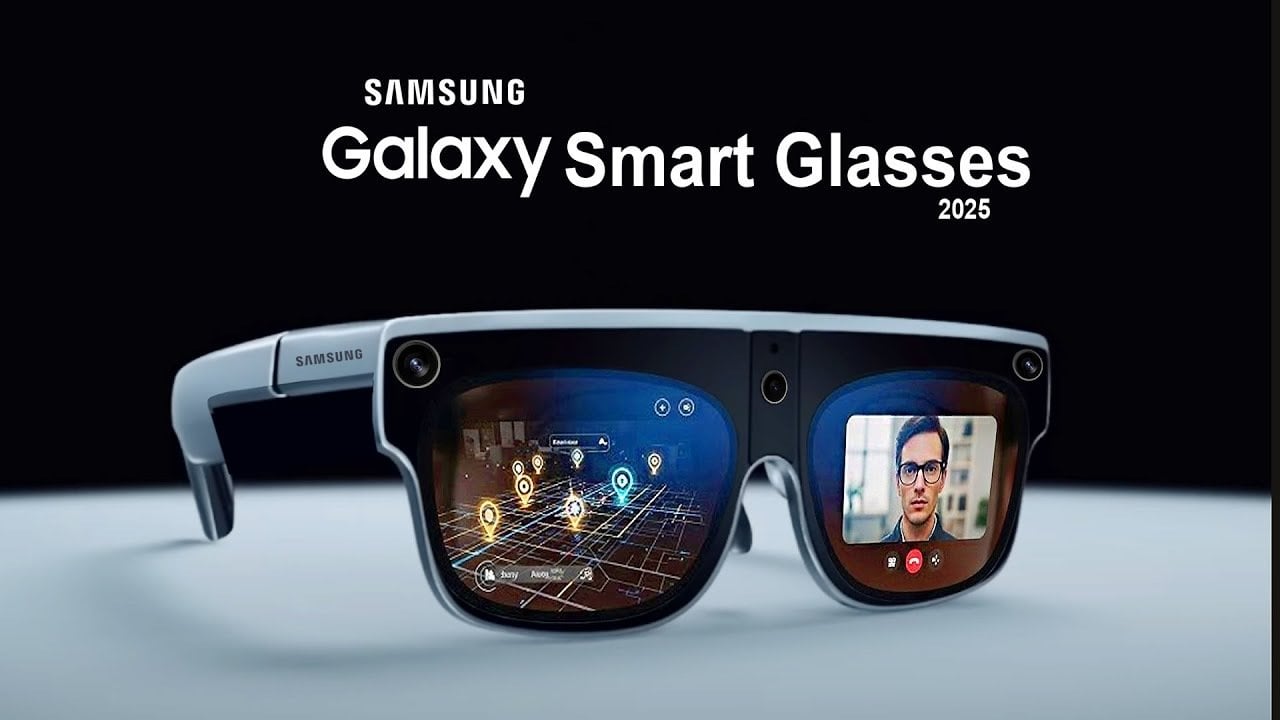
First Look: New Smart Audio Glasses Coming This Fall with Samsung
The Android XR Hardware Pivot: Architectural Realities of the Samsung-Google Collaboration
Google and Samsung have officially pulled the curtain back on their upcoming Android XR glasses, a move that signals a pivot toward heads-up, hands-free compute as a legitimate enterprise and consumer utility. Announced during Google I/O 2026, the hardware represents a collaborative effort to integrate Gemini-powered AI into a wearable form factor. While the aesthetic partnerships with Gentle Monster and Warby Parker provide the “disruptive” and “refined” styling, the real story lies in the underlying Android XR platform’s capability to handle low-latency multimodal processing. For the systems architect, the question isn’t whether the frames look good—it’s whether the SoC can handle real-time inference without hitting the thermal wall.
The Tech TL;DR:
- Hardware Integration: The glasses serve as a smartphone companion, offloading tasks like navigation, restaurant ordering, and real-time text/menu translation to the paired mobile device.
- AI Engine: Gemini serves as the primary backend for voice-based queries, summarized notifications, and contextual awareness, requiring stable data throughput.
- Deployment Timeline: The official release is slated for Fall 2026, with multiple design iterations targeting both “disruptive” and “timeless” market segments.
Hardware Benchmarks and the Thermal Envelope
Deploying an XR wearable that maintains a “heads-up” state necessitates significant optimization in the NPU (Neural Processing Unit) and wireless stack. If we look at the requirements for real-time translation—a feature Samsung highlights as a core capability—we are talking about a sub-100ms latency requirement from audio capture to local playback. This is where the Bluetooth Low Energy (BLE) stack and Wi-Fi 7 integration become the primary bottlenecks. Unlike typical mobile applications, these glasses must maintain containerized background processes that remain responsive without draining the mobile device’s power budget.

| Feature | Technical Requirement | Impact on Latency |
|---|---|---|
| Voice Interaction (Gemini) | Stable API Gateway Connectivity | High (Network Dependent) |
| Real-time Translation | Local NPU Inference / On-Device Processing | Low (Hardware Accelerated) |
| Notification Summaries | Background Sync / Push Services | Negligible |
The Developer Implementation: Interfacing with the Android XR API
To leverage the features previewed at I/O, developers will likely interface with the platform’s intent-based messaging system. When building custom workflows for this hardware, engineers must ensure their services are optimized for the Android XR platform’s unique power-management profiles. A simple cURL request to trigger a Gemini-powered summary via the proposed SDK might look like this:
curl -X POST https://api.android-xr.google/v1/summarize -H "Authorization: Bearer YOUR_ACCESS_TOKEN" -H "Content-Type: application/json" -d '{"input_stream": "audio_buffer_01", "context": "notification_summary"}'For enterprise environments, integrating this hardware into existing Managed Service Providers (MSPs) will require strict adherence to data privacy protocols. As these glasses capture visual and audio data in real-time, firms must ensure that all cybersecurity auditors evaluate the data transit path for potential leaks. The risk of unauthorized data persistence at the edge is high, making OWASP-compliant coding practices mandatory for any third-party app development.
“The shift to wearable AI is not just a hardware challenge; it’s a security paradigm shift. When your eyewear is constantly listening and observing, the ‘blast radius’ of a compromised device expands exponentially. We need to see robust end-to-end encryption for every packet sent from the glasses to the paired handset.” — Lead Security Researcher, Enterprise Infrastructure Division
Cybersecurity Triage and Infrastructure Readiness
As we approach the Fall 2026 launch, IT departments must prepare for the influx of these devices. If your organization is planning for a BYOD (Bring Your Own Device) rollout, now is the time to engage SOC 2 compliance specialists to update your mobile device management (MDM) policies. Relying on default manufacturer settings will not suffice for organizations handling sensitive intellectual property. You must verify that the device’s Trusted Execution Environment (TEE) is properly configured to isolate the Gemini AI processing from your internal corporate data streams.

If you are an enterprise developer looking to integrate these glasses into your existing workflow, ensure your team is reviewing the official Android developer documentation for updates on the XR platform extensions. Ignoring the architectural constraints of these wearables will lead to significant battery drain and thermal throttling, effectively rendering the product useless for long-form professional tasks.
The collaboration between Samsung and Google is a clear move to capture the “prosumer” segment of the XR market. By focusing on utility—navigation, translation, and notification management—they are avoiding the pitfalls of previous “gimmick-first” wearables. However, the long-term success of this hardware relies on the robustness of the software ecosystem. If the developer tools are not sufficiently performant, we will see these glasses relegated to the same status as previous failed smart-eyewear attempts. For now, we watch the repo commits and the official Google GitHub repositories for the next wave of API releases.
Disclaimer: The technical analyses and security protocols detailed in this article are for informational purposes only. Always consult with certified IT and cybersecurity professionals before altering enterprise networks or handling sensitive data.
Related reading
- Gizmodo: AI accounts steal comedy sets to market OnlyFans subscriptions
- Francis Halzen wins 2026 Nobel Prize in Physics for IceCube
- Why Smart TVs Have Microphones, and the Tracking Feature That Matters More (daybreakwire.com)
- Amazon Prime Day brings discounts on Samsung, Seagate and Kingston drives (newsdirectory3.com)