
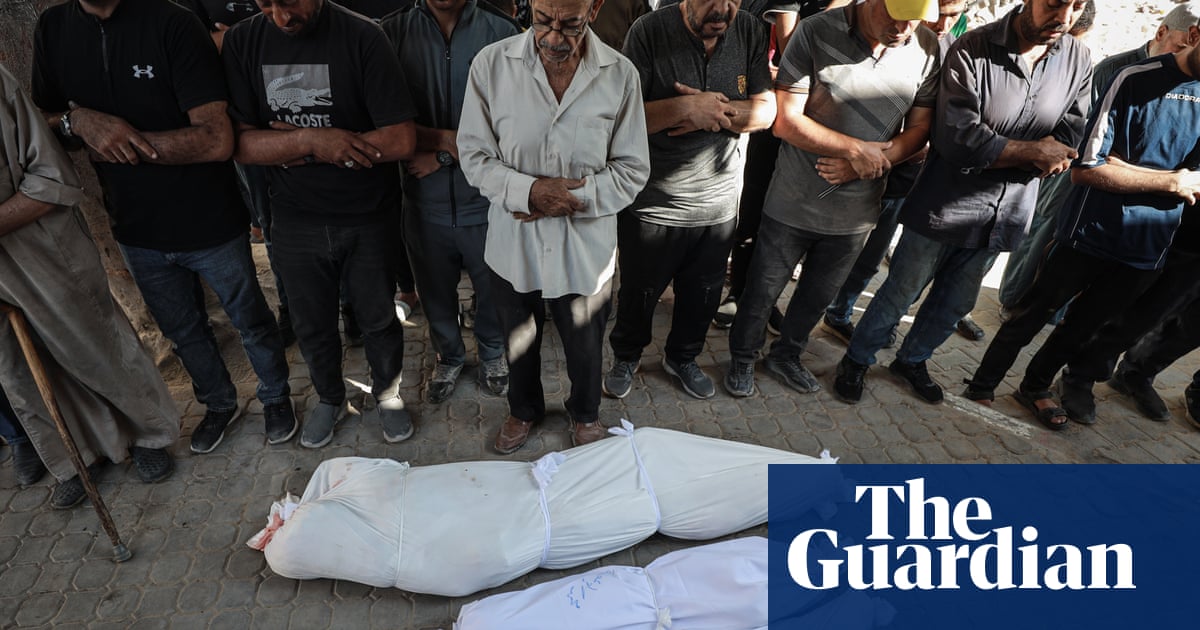
EU Faces Accusations of Betrayal Over Gaza Inaction
Human Rights Groups Denounce Failure to Sanction Israel Amidst Crisis
The European Union is under fire from Amnesty International and other human rights organizations for its refusal to impose sanctions on Israel. Critics label the decision a “cruel and unlawful betrayal” of Palestinian rights and European values, particularly in light of the ongoing war in Gaza and violence in the West Bank.
Ministers Decline Sanctions, Cite “Options on the Table”
EU foreign ministers met in Brussels but ultimately did not endorse any measures against Israel. High Representative for Foreign Affairs, Kaja Kallas, stated that the bloc would maintain “options on the table” to pressure the Israeli government if the “catastrophic” humanitarian situation in Gaza does not improve. Diplomatic sources revealed that Kallas did not support any of the ten sanctions options prepared by her team, despite an earlier EU review finding “indications” of Israeli breaches of human rights commitments.
Humanitarian Crisis Deepens as Aid Efforts Stall
Kallas emphasized Israel’s need to implement “more concrete steps” to alleviate the dire humanitarian conditions in Gaza, where 2.1 million people face famine. The situation is exacerbated by drought and the collapse of water systems. Despite an agreement to increase humanitarian aid flow, distribution remains a significant challenge. Reports indicate that Palestinians continue to risk their lives queuing for food and water. In a single 24-hour period, 139 individuals, including women and children, were reportedly killed while waiting for aid. The UN estimates that approximately 850 Palestinians have died in aid queues since May.
Potential Sanctions Unlikely Amidst Member State Divisions
The ten sanctions options, including the full suspension of the EU-Israel association agreement, are not expected to be adopted. Such a move requires unanimous support from member states, a threshold unlikely to be met. Key EU allies like Germany, Hungary, and the Czech Republic oppose sanctions, particularly after the recent humanitarian deal with Israel. Hungary also continues to block EU sanctions against violent Israeli settlers in the West Bank. Even nations supportive of the Palestinian cause, such as Ireland, are awaiting proposals from Kallas, with only Spain clearly advocating for the suspension of the association agreement.
“The refusal to suspend the agreement with Israel is a cruel and unlawful betrayal of the European project and vision, predicated on upholding international law and fighting authoritarian practices, of the European Union’s own rules and of the human rights of Palestinians.”
—Agnès Callamard, Secretary General, Amnesty International
Agnès Callamard of Amnesty International further stated, “This will be remembered as one of the most disgraceful moments in the EU’s history.” Similarly, Claudio Francavilla, acting EU director for Human Rights Watch in Brussels, expressed disappointment, saying, “Once again, EU ministers have failed. Not enough support for any measure to hold Israel to account, traded away for the illusory promise of a few more trucks.”
EU Promises Vigilance on Aid Deal Implementation
Kallas acknowledged positive developments regarding border crossings and aid truck arrivals but stressed the need for further improvements. The EU will monitor the agreement’s implementation closely, with updates provided to diplomats fortnightly. The agreement aims to substantially increase daily aid deliveries and includes measures for repairing critical infrastructure like water desalination facilities. Kallas reiterated that the objective is to improve the situation in Gaza, not to punish Israel.
Israel’s Foreign Minister, Gideon Sa’ar, expressed confidence that the EU would refrain from action, stating, “There’s no justification whatsoever.” However, EU Commissioner for Humanitarian Aid, Hadja Lahbib, urged immediate implementation of the agreement, demanding that Israel “Stop killing the people” and ensure vital aid reaches those in need. She warned that “Every minute lost is a life lost” and emphasized the need for a demonstrable improvement by the next foreign ministers’ meeting in October.
The ongoing conflict has had devastating consequences for the civilian population in Gaza. According to UNICEF, as of July 2024, nearly 17,000 Palestinian children have been killed or injured in the Gaza Strip since the start of the war, underscoring the urgent need for de-escalation and humanitarian access (UNICEF, July 2024).
