Escalating Hostilities in Lebanon: Israel and Iran Engage in War of Words
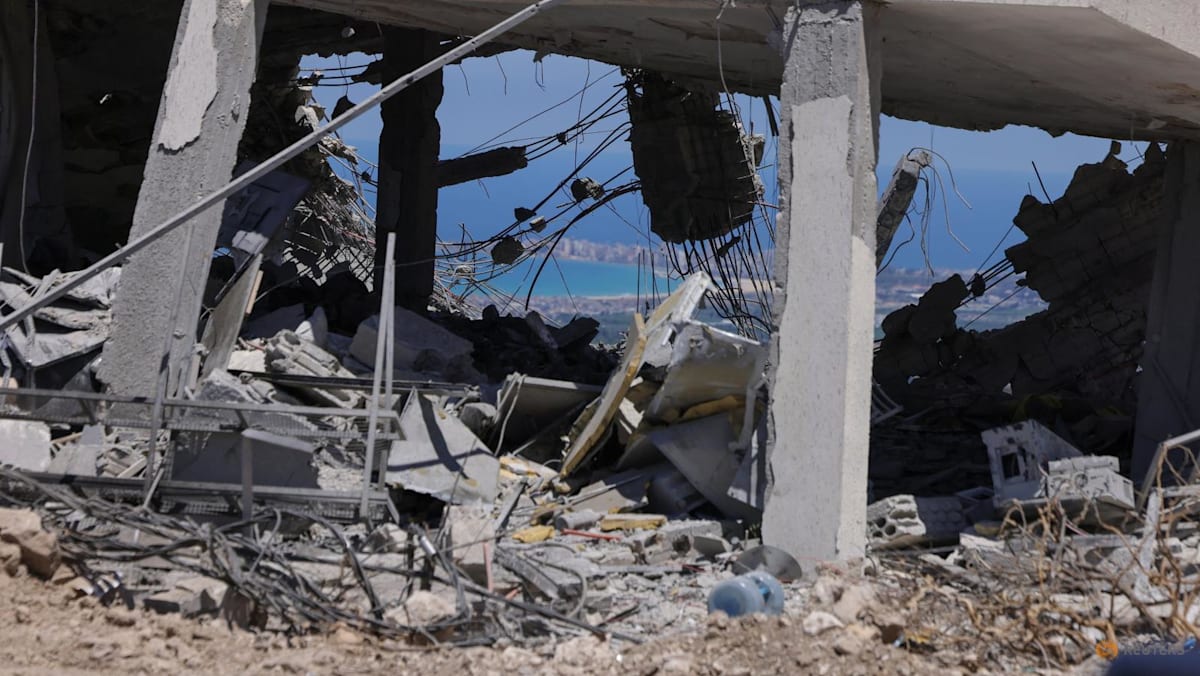
Lebanon’s escalating conflict with Israel reached a new flashpoint on Monday as Israeli airstrikes killed at least 18 civilians in southern Lebanon, according to Lebanese officials, while Israel reported four soldiers killed by Hezbollah fire. The violence has derailed indirect U.S.-Iran talks in Oman, with diplomats citing the fighting as the reason for the suspension.
Israeli Defense Minister Yoav Gallant warned of further escalation, declaring in a statement that “all of Lebanon must burn” after the deaths of the four soldiers. The remarks, carried by Israeli media, marked a sharp escalation in rhetoric amid a rapid deterioration of security along the border. Hezbollah, the Iran-backed militant group controlling southern Lebanon, has not yet commented on the Israeli fatalities.
Why are U.S.-Iran talks stalled?
Diplomatic sources confirmed to The New York Times that indirect negotiations between the U.S. and Iran, mediated by Oman, were paused indefinitely due to the Lebanon crisis. The talks, which had been ongoing for months, aimed to ease tensions between Washington and Tehran but were suspended after Israeli strikes intensified. A U.S. official told AP News that the decision to halt discussions was “directly tied to the security situation in the region,” without specifying a timeline for resumption.
Iran’s foreign ministry did not immediately respond to requests for comment, but state media Tasnim News reported that the delay was “unfortunate” and called for a de-escalation. The suspension underscores how regional conflicts—particularly those involving Israel and Hezbollah—can disrupt broader diplomatic efforts, even those not directly tied to the immediate hostilities.
How have casualties and claims diverged?
The death toll in Lebanon rose sharply after Israeli strikes targeted areas near the border, including the village of Aitaroun, where Lebanese officials said 12 civilians were killed in a single airstrike. Israel’s military, meanwhile, confirmed the deaths of four soldiers—three from the Golani Brigade and one from the Nahal Brigade—killed by Hezbollah fire near the Shebaa Farms region, a contested border area.

A comparison of figures highlights the stark disparity in how each side reports casualties. Lebanese health officials put the civilian death toll at 18, while Israel’s military has not provided a full account of civilian losses in its strikes. The BBC noted that Hezbollah has not disclosed its own casualties, a pattern observed in past conflicts where the group has been accused of underreporting losses.
What is the next step for diplomacy?
With talks stalled, the focus has shifted to ceasefire efforts led by regional mediators, including Qatar and Egypt. A Qatari official told Al Jazeera that Doha was in “direct contact” with both Israel and Hezbollah to prevent further escalation. However, no concrete proposals have been announced, and Israeli officials have signaled no intention to halt operations.
In Washington, the White House has avoided direct comments on the Gallant statement, but a senior administration official told reporters that the U.S. was “monitoring the situation closely” and urged restraint. The absence of a clear diplomatic pathway raises concerns that the violence could spiral further, particularly as Hezbollah has vowed retaliation for the Israeli strikes.

The conflict’s immediate trigger remains unclear, but analysts point to a series of cross-border incidents over the past week, including Hezbollah attacks on Israeli military positions and Israeli retaliatory strikes on Hezbollah infrastructure. The rapid escalation suggests a deliberate strategy by both sides to test each other’s resolve, with regional powers—including Iran and Saudi Arabia—watching closely for signs of weakness.
For now, the humanitarian toll is mounting. The Lebanese Red Cross reported at least 50 wounded in the latest strikes, with hospitals in southern Lebanon overwhelmed. Israel’s military has imposed a no-fly zone over parts of the border, further restricting movement and aid delivery.
The next critical juncture will be whether mediators can broker a temporary halt before the fighting expands beyond the immediate theater. With no signs of de-escalation, the risk of a broader regional conflict remains a looming concern.