
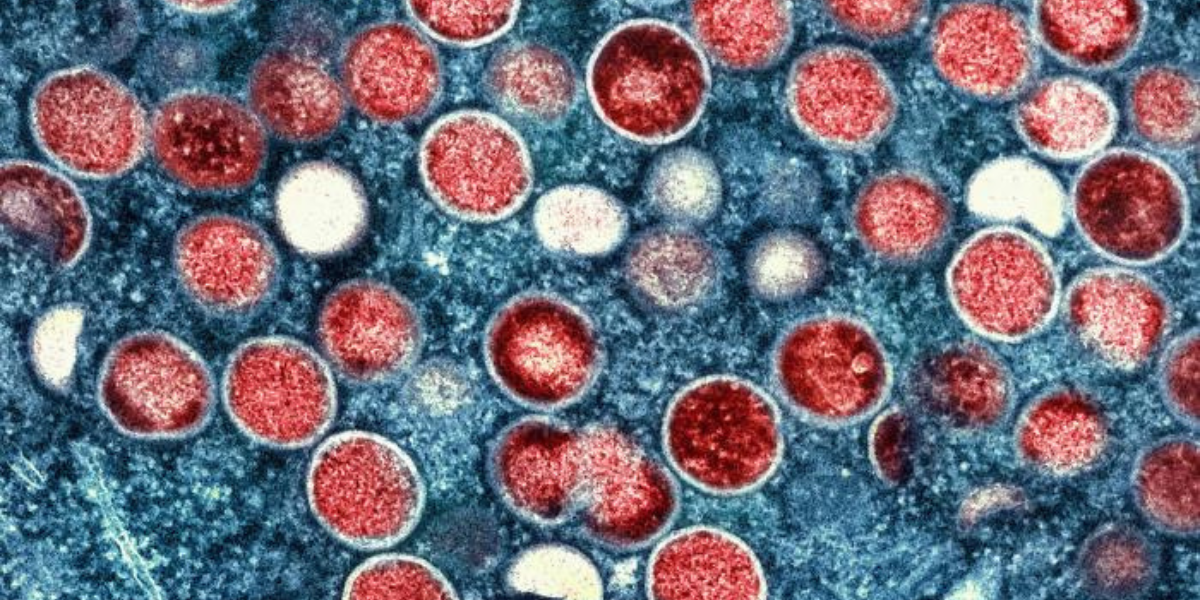
The recombinant mpox virus identified in England is now at the center of a structural shift involving viral evolution and cross‑regional transmission risk. The immediate implication is heightened uncertainty for disease‑control strategies and potential pressure on vaccine‑deployment policies.
The Strategic Context
Mpox, a zoonotic orthopoxvirus related to smallpox, has historically circulated in two genetically distinct clades: Clade IIb, which drove the 2022 global outbreak wiht relatively mild disease, and Clade Ib, endemic to Central Africa and associated with higher mortality. Over the past three years, Clade Ib has expanded beyond it’s conventional animal‑to‑human pathway, establishing limited person‑to‑person chains in several non‑African countries. This diffusion reflects broader structural forces: increased global mobility, urbanization of high‑risk populations, and fragmented public‑health capacity across regions.The convergence of these forces creates a milieu where co‑circulation of distinct clades is increasingly probable, setting the stage for recombination events such as the one detected in England.
Core Analysis: Incentives & Constraints
Source Signals: Public health officials in England confirmed a case of mpox that genomically combines elements of Clade IIb and Clade Ib. The patient had recently traveled to Asia. No clinical details were released. Experts highlighted the risk that viral recombination could complicate containment. The JYNNEOS vaccine is available and has been targeted to high‑risk groups, notably men who have sex with men, in previous outbreaks.
WTN Interpretation: The detection of a recombinant virus signals that the underlying ecosystem-characterized by overlapping transmission networks, insufficient surveillance in some regions, and vaccine‑access gaps-offers the virus repeated opportunities to mix genetic material. England’s public‑health system faces incentives to demonstrate rapid response capability, both to protect domestic health security and to maintain credibility in international health governance. Constraints include limited case data, potential public‑fatigue from previous outbreaks, and the need to balance targeted vaccination with broader population coverage. Simultaneously occurring, countries where Clade Ib is emerging (e.g., Italy, Malaysia, the Netherlands, portugal, Spain, the United States) have incentives to contain spread to avoid economic disruption and to preserve tourism revenues, but they are constrained by uneven health‑system resources and competing priorities.
WTN Strategic Insight
“When multiple viral lineages co‑circulate in a globally mobile population, recombination becomes a predictable outcome, turning a manageable outbreak into a persistent public‑health challenge.”
Future Outlook: Scenario Paths & Key Indicators
Baseline Path: If current surveillance and targeted vaccination efforts remain at present levels, the recombinant strain is likely to be contained to isolated cases, with limited secondary transmission.Public‑health responses will focus on rapid case identification, contact tracing, and reinforcement of vaccination among identified high‑risk groups.
Risk Path: If surveillance gaps widen-due to resource diversion, pandemic fatigue, or delayed reporting-and if the recombinant virus acquires mutations that enhance transmissibility or immune evasion, it could seed broader community transmission across Europe and potentially re‑enter Asia via travel corridors. This scenario would pressure health systems, trigger broader vaccine roll‑outs, and could affect cross‑border movement policies.
- Indicator 1: Weekly genomic surveillance reports from the UK Health Security Agency and the European Center for Disease Prevention and Control indicating detection of additional recombinant mpox sequences.
- Indicator 2: Uptake rates of the JYNNEOS vaccine among identified high‑risk cohorts in the UK and neighboring European nations over the next three months.
