Egg Hub Program Aims to Boost Nutrition and Incomes in Africa, Newsweek Reports
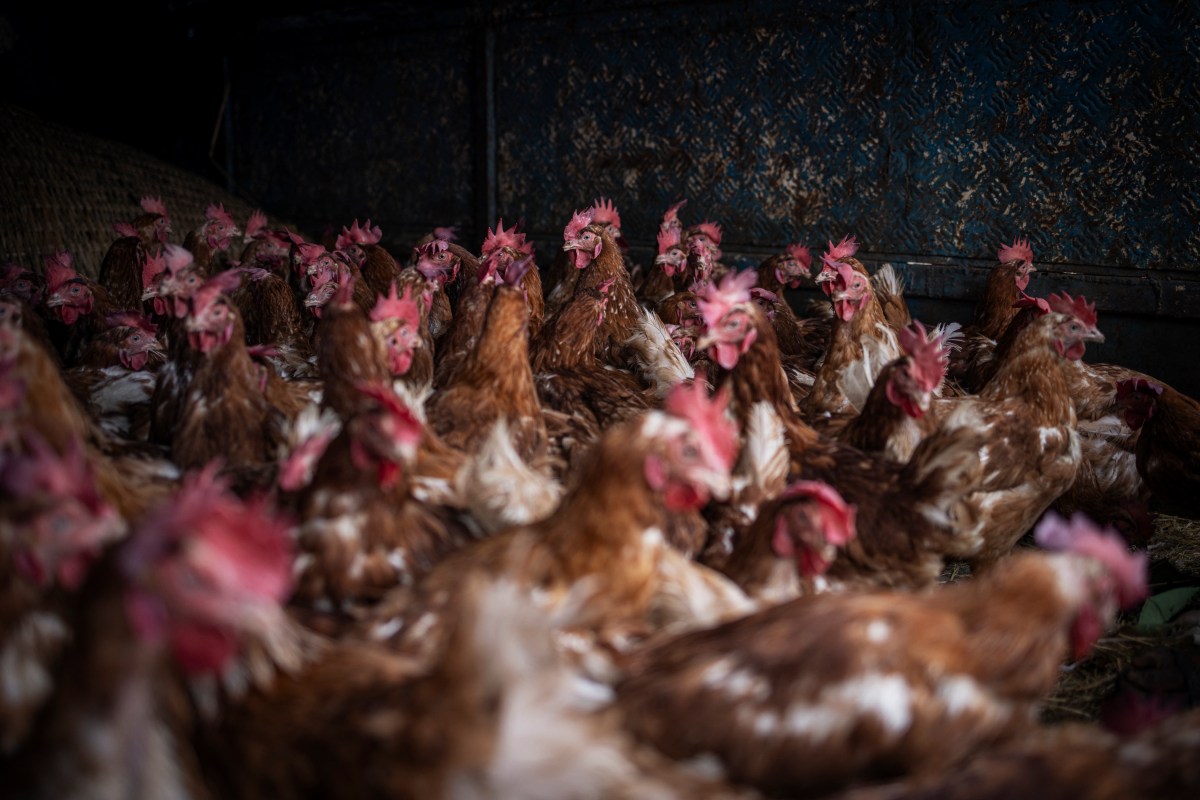
The “Egg Hub” program has trained around 190 small-scale farmers in Malawi and Ethiopia to produce at least 15 million eggs, providing a nutrient-dense protein source to combat severe food insecurity across Africa, Newsweek reported. The initiative, managed by the Swiss-based think-tank Sight and Life, aims to transition subsistence poultry farming into a sustainable business model to reduce regional dependence on volatile food markets.
Protein Access and Economic Gains:
- Farmers increased annual egg production from 40 eggs per bird to 300 eggs.
- Participating farmers have tripled their earnings through structured training and interest-free loans.
- The program targets a region where the U.N. reports nearly 67 percent of the population could not afford a healthy diet in 2025.
Egg Hub program helps farmers increase income
Since its 2018 pilot in Malawi, the Egg Hub program has focused on providing farmers with quality feed, a minimum of 500 birds, and the technical training required to maintain high-yield flocks. Kalkidan Nigussie, who oversees the initiative for Sight and Life, stated that the program has helped farmers shift from a state of survival to operating a business. Nigussie noted that one farmer, who previously faced uncertain income and high bird mortality, has since repaid her loan and doubled her income after completing three production cycles.
By implementing structured knowledge and reliable support, the birds under the program’s guidance produce 300 eggs per year, a significant increase over the 40 eggs annually produced by traditional small-scale methods. This surge in local supply has lowered egg prices in participating villages, increasing the monthly consumption of eggs among women and children in Malawi.
Food Insecurity and Environmental Pressures
The expansion of the Egg Hub comes as sub-Saharan Africa faces intensifying nutritional crises. United Nations figures show that over half of the African population is moderately or severely food insecure. A September report from the European Commission warns that extreme weather events, specifically El Niño in 2026 and 2027, alongside global aid cuts and Middle East conflicts, are expected to worsen hunger. The Commission projects that by 2030, up to 520 million people will face hunger, with more than half located in Africa.
Sufia Askari, managing director of Sight and Life, argues that short-term food aid is insufficient for long-term stability. Askari stated that while providing food is a quick solution, it is not sustainable, and turning existing solutions into lasting change requires time and resilience against climate shocks like drought or price spikes.
Expansion into Senegal and Rwanda
Sight and Life is currently scaling the Malawi program from 12 farms to 63 farms this year. The organization has already begun recruiting poultry farmers in Senegal and Rwanda to replicate the model. The program specifically targets women, who make up half of the participating farmers, providing them with the capital and infrastructure to reinvest in their households.
Nigussie reported that successful farmers are now reinvesting their profits into expanding their operations, such as building additional sheds for new flocks or purchasing small vehicles to transport eggs to larger markets.
Worth a look
- Unidentified yellow and black vehicle filmed in Torino traffic
- NHIS Debt Ratio to Approach 100% Within Five Years, Nongmin Shinmun Reports
- The Athletic Reports Dodgers Considering Benching Shohei Ohtani for NLCS Game 3 (newsy-today.com)
- IPCC Delay Fight Hinges on Two Reports and a Trust Fund Running Dry (daybreakwire.com)