
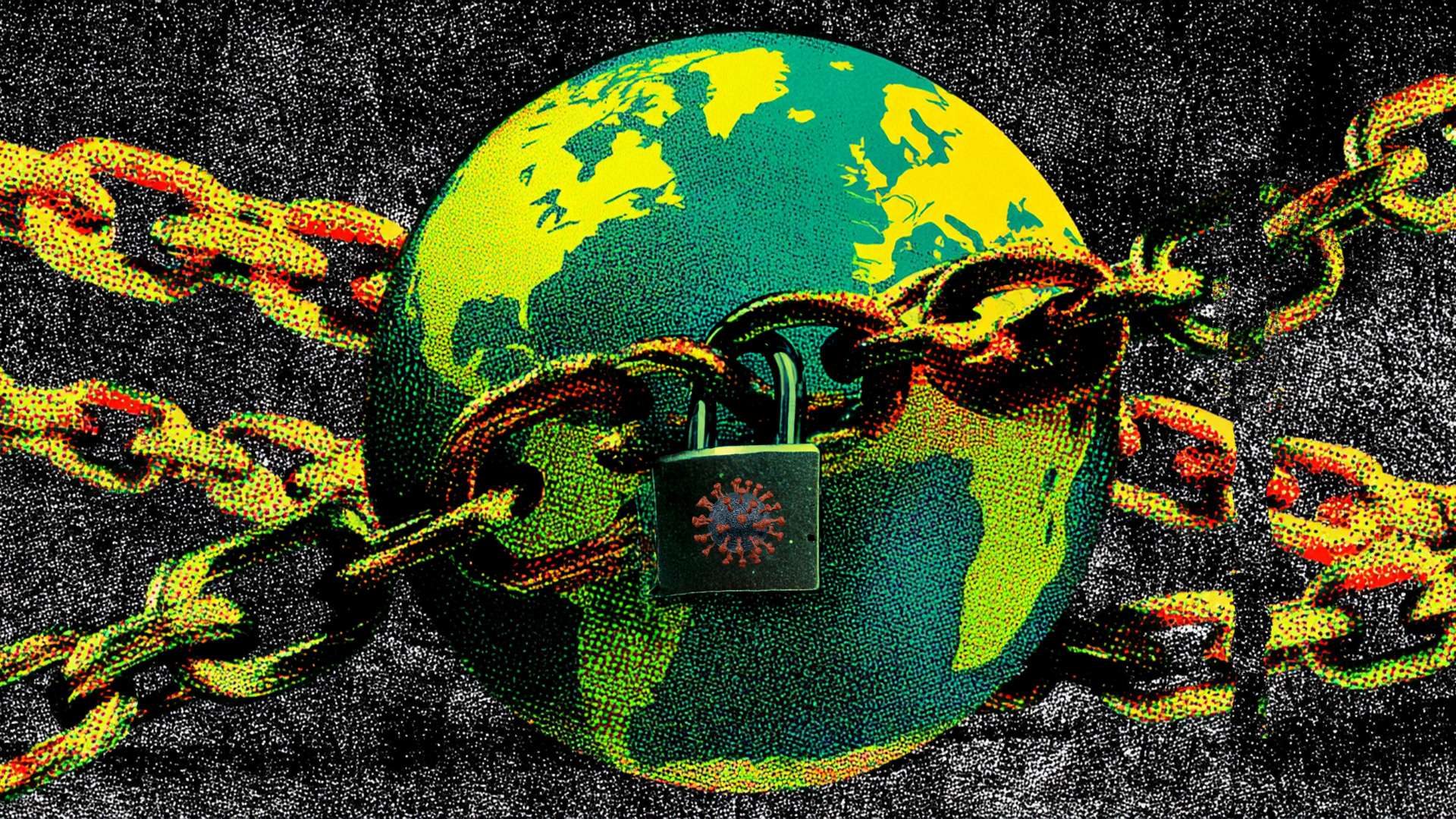
Teh Global Retreat and Rebound of Economic Freedom
Recent data reveals a concerning trend: a global decline in economic freedom, particularly during the COVID-19 pandemic, coinciding with setbacks in personal and political liberties. Though, indicators suggest a potential rebound is underway, offering a glimmer of hope for continued human progress.
The Economic Freedom of the World report highlights a significant downturn in economic freedom, with hong Kong experiencing a particularly sharp decline.This is largely attributed to the implementation of a 2020 security law,which appears to have dismantled the “one country,two systems” framework previously in place.
The United States has also seen its economic freedom challenged by a resurgence of protectionist policies. A related report, “U.S. Economic Freedom in a Trade War,” demonstrates that tariffs imposed under the Trump administration are projected to substantially lower the U.S.’s trade freedom ranking, dropping from 56th to 76th place, and its overall economic freedom ranking, falling from 5th to 10th.
These declines in economic freedom are not merely abstract concerns. The report underscores a strong correlation between economic freedom and positive societal outcomes. Countries with greater economic freedom consistently exhibit higher per capita GDP, lower poverty rates, increased life expectancy, and reduced infant mortality. Furthermore,economically free nations tend to enjoy greater personal freedom overall.
The period of diminished economic freedom appears to align with broader losses of freedom. The Human Freedom Index found that 87.4% of the world’s population experienced a reduction in freedom between 2019 and 2022. The Democracy Index 2024 from the Economist Intelligence Unit similarly points to a “continuing democratic malaise” following the initial rollback of freedoms during the pandemic.
However, recent data offers encouraging signs. The Human Progress Simon Abundance Index shows a recovery in resource abundance after a downturn between 2021 and 2022, linked to pandemic-related lockdowns, monetary expansion, and the war in Ukraine. Moreover, the World Bank reports a decrease in global poverty, falling from 890 million in 2021 (a jump from 840 million in 2019) to 831 million in 2025, reversing a worrying trend after decades of decline.
These developments underscore the critical importance of economic freedom. Restricting individuals’ ability to engage in free exchange – to buy, sell, own property, and contract – not only hinders economic growth but also diminishes personal autonomy and overall human flourishing. Conversely, fostering economic freedom is essential for alleviating poverty, promoting prosperity, and safeguarding essential liberties, making it a cause worthy of continued advocacy and protection.
