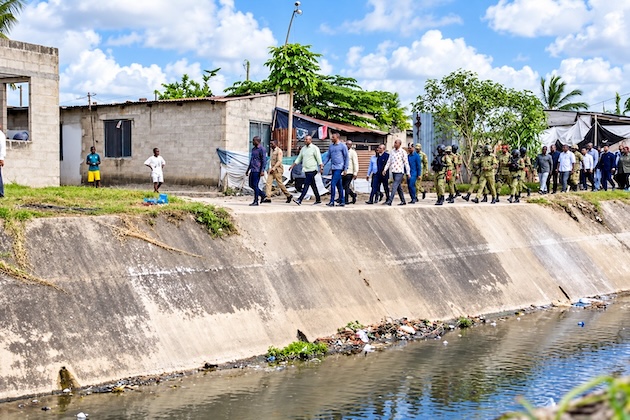
East Africa urban communities brace for heavy El Niño rains
As a strong El Niño weather pattern takes shape across East Africa, urban communities in cities like Dar es Salaam are bracing for heavy seasonal rains that threaten low-lying neighborhoods and informal settlements. The World Meteorological Organization expects the phenomenon to intensify toward the end of 2026, carrying a nearly 100 percent probability of persisting through February 2027.
Decades After the 1997 Floods, Memories Shape Present Fears
Nearly three decades have passed since the 1997 super El Niño inundated towns across Tanzania. Japhet Gimbi, who was then a student in Tabora, recalls how continuous rain kept children out of classrooms and left families struggling with food shortages. At Kwihara village, farmer Hatibu Halfan watched his rice crop initially thrive before waterlogged soils rotted cassava and sweet potatoes, flooding homes in low-lying areas.
Those memories return as regional forecasters warn of wetter-than-normal conditions for the October-to-December rainy season. In Tanzania, Uganda, Rwanda, and Burundi, this period delivers up to 40 percent of annual rainfall. With the new El Niño cycle building intensity, regional authorities anticipate risks of floods, landslides, infrastructure damage, and disease outbreaks.
Rapid Urbanization and the Vulnerability of Informal Settlements
The danger facing fast-growing East African cities stems largely from where recent urban expansion has occurred. Neighborhoods have spread along rivers, valleys, and low elevations where housing remains affordable but municipal drainage and basic services lag behind population growth.
Romanus Opiyo, Policy and Engagement Lead for Sustainable Urbanisation at the Stockholm Environment Institute, told Inter Press Service that the main impacts range from displaced populations and damaged houses to waterborne diseases and the disruption of livelihoods. Opiyo points to settlements such as Tandale along the Sinza river system and Jangwani in the Msimbazi valley as particularly exposed. Low-income households living on daily wages often possess few savings and limited options for relocation.
In these crowded areas, blocked drainage channels sit immediately beside pit latrines, rubbish, and open sewers. When floodwaters rise, they carry contaminants directly through residential streets and homes.
Tanzania Activates Emergency Plans and Seeks Climate Finance
In response to the seasonal warnings, the Tanzanian government activated a National Emergency Plan and issued 13 directives instructing local authorities to identify high-risk zones, clear blocked drains, designate emergency shelters, and prepare rescue equipment. Officials estimate that implementing these preparatory and post-emergency measures could require 730 billion Tanzanian shillings, against a current 2026/27 budget allocation of 10 billion shillings for related sector activities.
Meanwhile, East African Community Partner States are pressing for predictable, grant-based climate finance ahead of the upcoming United Nations Climate Change Conference, COP31, in Antalya, Türkiye. Regional representatives plan to urge developed nations to fulfill public climate finance commitments, triple adaptation funding by 2035, and fully capitalize the Fund for Responding to Loss and Damage without adding to the debt burden of vulnerable nations.
While clearing blocked drains and mapping vulnerable households can mitigate immediate seasonal hazards, experts emphasize that recurring urban flooding remains an urban-planning problem requiring long-term investment in sustainable infrastructure and secure land access.