
Donald Trump Claims He Can Settle UK-Argentina Falklands Dispute
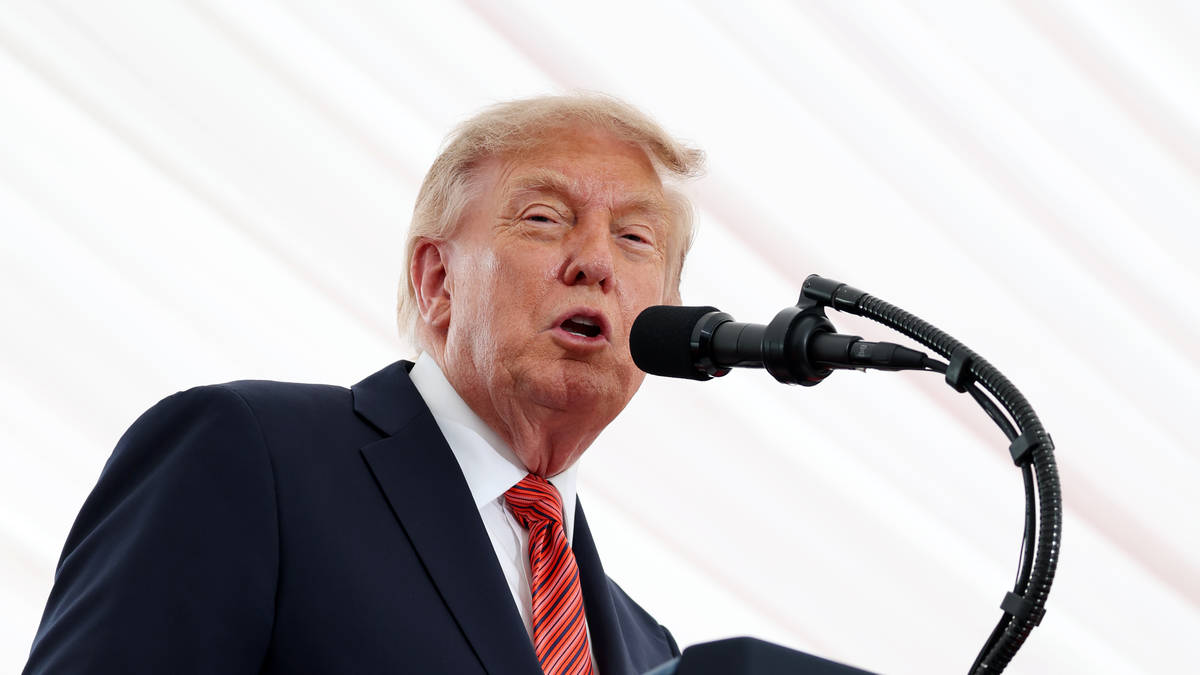
Donald Trump told GB News that he intends to settle the long-standing sovereignty dispute between Britain and Argentina over the Falkland Islands, warning that the unresolved territorial conflict could lead to a disaster.
More than forty years after the 1982 Falklands War, the status of the islands remains a flashpoint between London and Buenos Aires. For businesses, maritime operators, and logistics firms working across the region, shifting geopolitical alignments demand constant vigilance and risk assessment.
Trump Points to British Domestic Pressures and Past Conflicts
In his interview with GB News, Trump suggested that the UK might struggle to maintain its distant overseas territories given its current domestic burdens. According to the president, Britain faces mounting domestic hurdles, noting that the UK has “a little problem with immigration” and “a little problem with energy”. He added that London has “some other problems they have to take care of.”

Trump also recalled watching the 1982 conflict unfold. That conflict resulted in the deaths of 255 British military personnel, three islanders, and 649 Argentine military personnel. When asked by the BBC if he was reviewing the US position on the islands, Trump replied that he always reviews every position as one of many.
Tensions surrounding the territory have escalated recently. Argentinian President Javier Milei placed sanctions on companies exploring for oil around the islands, which are known as Las Malvinas in Argentina. Milei, an ideological ally of Trump, reiterated his country’s claim to the islands in a national televised address, declaring that the territory represents his nation’s future. Milei has also rejected the results of the 2013 referendum, in which 99.8% of Falklands residents voted to remain a British overseas territory.
London Affirms Unwavering Commitment to Islanders
Prime Minister Andy Burnham stated in the House of Commons that the UK would be relentless in defending the Falkland Islanders’ right to be British. Foreign Secretary Ed Miliband reinforced that stance on X on September 4, writing that the UK’s position is unwavering and that the islands will remain British because that is the overwhelming choice of the islanders.
A UK government spokesperson reiterated that Falkland islanders are British with a full right to determine their own future. Previous US administrations have formally recognized the UK’s de facto administration of the islands without taking a definitive stance on ultimate sovereignty.
As geopolitical realignments reshape maritime trade routes and territorial claims in the South Atlantic, commercial entities operating in disputed waters face complex regulatory environments. Mitigating commercial exposure requires robust compliance frameworks and strategic insight.