
Dominican Republic‘s Migrant Crackdown: haitian Woman Dies After Home Birth
Table of Contents
- Dominican Republic’s Migrant Crackdown: haitian Woman Dies After Home Birth
- Crackdown on Undocumented Migrants
- International Condemnation
- A community’s Response
- Root Causes of migration
- Future Uncertain
- Key Metrics: Haitian Migration to the Dominican Republic
- Evergreen Insights: The Complexities of Haitian Migration
- Frequently Asked Questions About Haitian Migrants in the Dominican republic
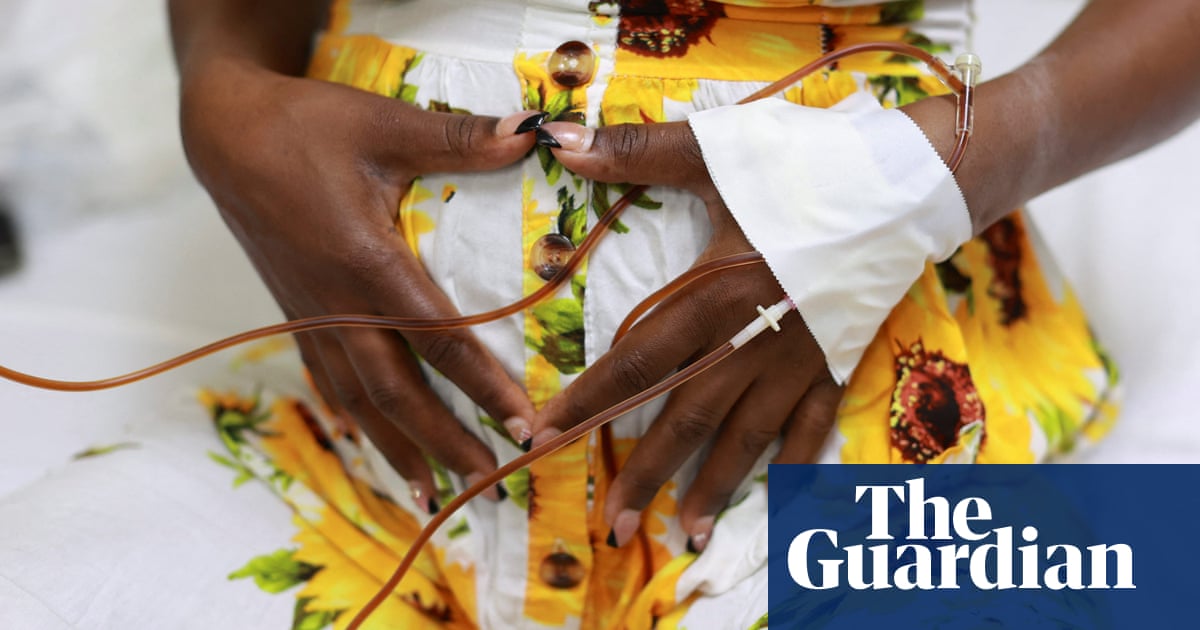
Lourdia Jean Pierre, a 32-year-old Haitian woman, died shortly after giving birth in her one-room home in the dominican Republic.Her husband, Ronald Jean, attributed her death to the couple’s fear of seeking medical assistance due to the Dominican government’s intensified crackdown on undocumented migrants. The incident underscores the dire circumstances facing haitian migrants amid rising deportations.
Crackdown on Undocumented Migrants
The Dominican Republic, which shares the island of Hispaniola with Haiti, has recently escalated its efforts to deport undocumented migrants. In April 2025, the government announced stricter enforcement measures, leading to widespread fear among the Haitian community. Images of pregnant women and new mothers being detained in hospitals and afterward deported have circulated widely, sparking international condemnation.
Did You Know? According to the World Bank, Haiti remains the poorest country in the Americas, with approximately 59% of its population living below the national poverty line as of 2024.
Ronald Jean explained that his wife’s decision to give birth at home was driven by fear. “Haitian people have been hiding, afraid to go out for fear of being deported,” he said.”It was not my decision [that Lourdia give birth at home]. I feel like I didn’t have a choice. We were scared.”
International Condemnation
Human rights organizations have denounced the Dominican Republic’s policies as cruel, racist, and misogynistic. The United Nations has also voiced concerns over the increasing deportations of vulnerable Haitians,particularly pregnant women,new mothers,and children. According to the UN, approximately 900 pregnant women or new mothers were deported in a single month. The UN Security council has expressed concerns about the situation’s impact on regional stability.
Pro Tip: Migrants facing deportation should seek legal counsel from organizations specializing in immigration law to understand their rights and options.
A community’s Response
Following Lourdia Jean Pierre’s death,news spread rapidly within the community. A video showing her body in her home in Pedro Sánchez, el Seibo province, was released, prompting widespread outrage. More than 400 organizations worldwide signed a letter denouncing her death and the Dominican Republic’s migration policies.
The letter stated, “The death of Lourdia Jean Pierre, as well as the persecution, detention, and deportation of thousands of pregnant Haitian immigrant women, are actions that violate national and international laws and protocols, the most elemental human rights, and people’s dignity.”
Root Causes of migration
Jean and his wife had been living in the Dominican Republic due to the ongoing crisis in Haiti, where gang violence has ravaged the country. Jean initially obtained a work permit in 2018 for agricultural work, traveling back and forth to Haiti to see his wife. As the situation in Haiti deteriorated in 2021, Jean Pierre joined him in the Dominican Republic. They left two children with relatives in haiti, and later had another son in the Dominican Republic. Jean’s work permit expired in 2020, leaving him without legal status.
He attributes his wife’s death to both the Haitian government and gang members.”They make security very hard and make it so that people can’t live in Haiti and are forced to come to the Dominican Republic,” he said. “I respect the Dominican laws but life in Haiti is so hard, people don’t have a choice.”
Future Uncertain
Despite the tragedy,Jean is steadfast to return to Haiti once he repays the money borrowed for his wife’s funeral. “I am not protected in the Dominican Republic. [Life here] is very hard so I have no choice. I want to go back to Haiti,” he said.”Sometimes I cry, then I pray. I am in a very challenging situation.”
Key Metrics: Haitian Migration to the Dominican Republic
| Metric | Value | Source |
|---|---|---|
| Haitians Living in the Dominican republic (estimated) | 500,000+ | Migration Policy Institute, 2023 |
| Haitian Population Below Poverty Line (2024) | 59% | The World Bank |
| Pregnant/New Mothers Deported (One Month) | 900 | United Nations, 2025 |
Evergreen Insights: The Complexities of Haitian Migration
The migration of Haitians to the Dominican Republic is a long-standing issue rooted in economic disparities, political instability, and natural disasters. Historically, Haitians have sought opportunities in the relatively more stable and prosperous Dominican Republic, frequently enough working in sectors such as agriculture, construction, and domestic service. However, this migration has been met with complex social and political challenges, including discrimination, xenophobia, and legal obstacles.
The Dominican Republic’s immigration policies have varied over time, often reflecting shifts in political leadership and economic conditions. Periods of relative openness have been followed by crackdowns and mass deportations, particularly during times of economic hardship or political tension. These policies have had a significant impact on the lives of Haitian migrants and their families, often leading to human rights concerns and international scrutiny.
Frequently Asked Questions About Haitian Migrants in the Dominican republic
What legal protections are available to Haitian migrants in the Dominican Republic?
Haitian migrants, irrespective of their legal status, are entitled to certain basic human rights under international law, including the right to due process, protection from discrimination, and access to essential services. However, in practice, access to these protections can be limited due to legal barriers, language difficulties, and fear of deportation. Organizations like Amnesty International and Human Rights Watch advocate for the rights of migrants and provide legal assistance.
How does the Dominican Republic’s immigration policy align with international human rights standards?
The Dominican Republic’s immigration policies have been criticized for not fully aligning with international human rights standards, particularly concerning the treatment of pregnant women, children, and individuals of Haitian descent. International organizations have called on the Dominican government to ensure that its policies are non-discriminatory,respect due process,and provide access to remedies for those affected by immigration enforcement actions.
What role do international organizations play in addressing the challenges faced by Haitian migrants?
International organizations such as the United Nations, the international Organization for Migration (IOM), and various NGOs play a crucial role in providing humanitarian assistance, advocating for migrant rights, and promoting dialog between the Dominican and Haitian governments. These organizations work to address the root causes of migration, support sustainable progress in Haiti, and ensure that migrants are treated with dignity and respect.
What steps can be taken to improve the situation for Haitian migrants in the Dominican Republic? How can international pressure influence policy changes?
