Do DNA Methylation Clocks Reliably Measure Biological Aging? New Study Findings
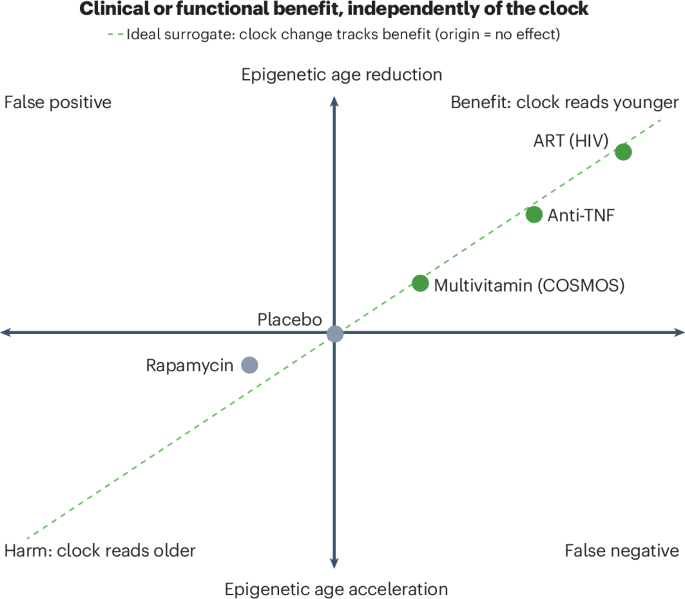
Epigenetic aging clocks—mathematical algorithms designed to estimate biological age by measuring chemical changes on DNA molecules—faced their first systematic trial on August 21, 2026, according to research published in Nature Medicine. The study evaluates whether these molecular tools truly function as surrogate endpoints for aging by responding to genuine clinical benefits while remaining stable when therapeutic interventions fail.
- Researchers published the first systematic test of epigenetic aging clocks in Nature Medicine on August 21, 2026.
- The evaluation examines whether DNA methylation algorithms accurately reflect clinical benefits or remain stable in the absence of treatment efficacy.
- Findings provide essential data for clinical trial designers and preventative health specialists utilizing biological age testing.
Understanding the Mechanics of Epigenetic Clocks
Biological age measures the functional status of physiological systems relative to population averages, reflecting internal tissue health shaped by genetics, environment, and lifestyle. Chronological age counts unalterable calendar years. To bridge this gap, epigenetic clocks scan structural markers across human tissue samples, converting molecular patterns into an age score matching statistical curves. According to Los Angeles Times reporting, these tools gather data from blood cells, skin cells, saliva, and specific proteins, sometimes combining molecular readouts with physiological indicators like blood pressure and kidney filtration rates.
The core molecular mechanism involves DNA methylation, a process where methyl groups attach to cytosine-phosphate-guanine (CpG) sites on DNA strands without altering the underlying genetic code. As human bodies age, methylation patterns shift predictably; specific genomic regions gain methyl groups while others lose their chemical flags entirely. Histone modification further alters gene accessibility, disrupting normal protein production and diminishing cellular stability over time.
Clinical Utility and Trial Design Challenges
In laboratory settings, researchers use these algorithms to screen candidate longevity drugs. Preventative health clinicians track therapeutic efficacy using the exact same metrics. However, establishing these tools as validated surrogate endpoints requires rigorous trial validation. Without proven responsiveness to clinical interventions, biological age tests risk misclassifying patient improvement or drug efficacy.
Evaluating Therapeutic Efficacy and Future Trajectories
*Disclaimer: The information provided in this article is for educational and scientific communication purposes only and does not constitute medical advice. Always consult with a qualified healthcare provider regarding any medical condition, diagnosis, or treatment plan.*