Disease Nomenclature: Impact on Diagnosis, Research, and Patients
The language of medicine is far more than a mere collection of diagnostic labels. it is a fundamental architecture that dictates the trajectory of clinical research, the allocation of health resources, and the lived experience of patients. A seminal analysis published in Nature Medicine on May 22, 2026, interrogates the profound implications of disease nomenclature, arguing that the way we categorize pathology directly influences the efficacy of the standard of care and the precision of future therapeutic interventions.
Key Clinical Takeaways:
- Diagnostic labels serve as powerful heuristics that can either facilitate or impede the development of targeted, precision-medicine protocols.
- Inaccurate or outdated disease classifications often lead to fragmented research, masking the underlying pathogenesis and delaying the identification of effective biomarkers.
- Standardizing nomenclature is an essential prerequisite for large-scale data integration, enabling global health organizations to better track morbidity and improve longitudinal patient outcomes.
The Semantics of Pathogenesis and Diagnostic Accuracy
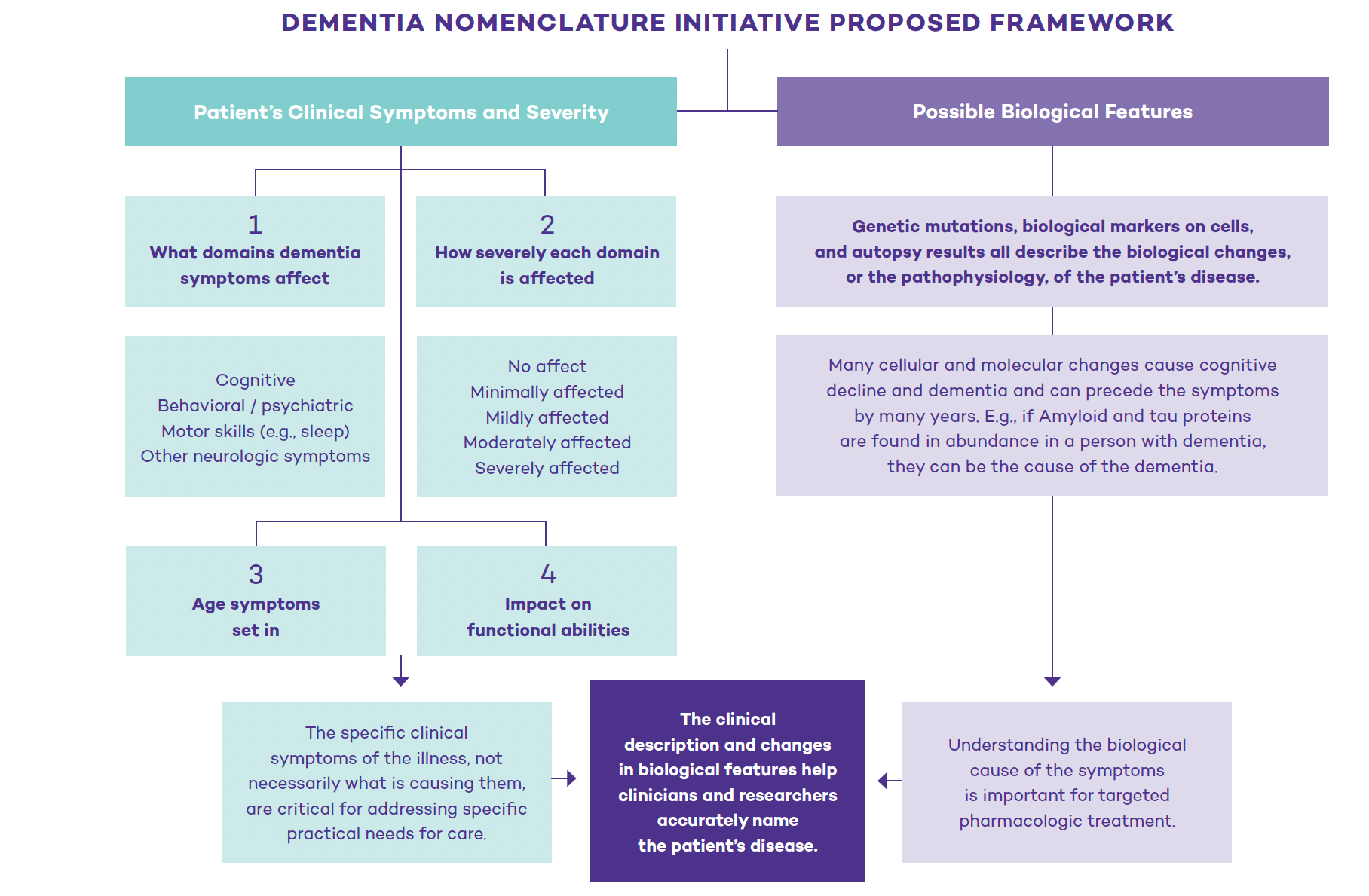
The nomenclature surrounding any clinical condition acts as a cognitive framework for practitioners. When a disease is defined primarily by its symptoms rather than its molecular or genetic signatures, the resulting diagnostic ambiguity can lead to therapeutic inertia. The Nature Medicine report emphasizes that as we transition toward a model of precision medicine, the reliance on historical, symptom-based naming conventions creates a significant clinical gap. By failing to account for the heterogeneous nature of many chronic illnesses, current naming systems may inadvertently obscure the true biological drivers of disease, thereby complicating the validation of novel pharmacological agents.
The evolution of medical terminology must mirror our deepening understanding of genomic and proteomic markers. If our diagnostic labels remain static while our biological insights advance, we risk treating the symptom while ignoring the fundamental pathogenesis of the condition.
The Structural Impact of Nomenclature on Research Funding
The study, which underscores the necessity of iterative refinement in medical terminology, highlights that nomenclature is not merely an academic exercise but a driver of resource distribution. Funding bodies and pharmaceutical developers prioritize conditions with clearly defined, clinically distinct classifications. When a disease category is poorly defined, the resulting “diagnostic noise” hampers the recruitment of homogenous cohorts for clinical trials, thereby increasing the risk of negative outcomes in Phase II and Phase III testing. This structural hurdle necessitates a more rigorous, evidence-based approach to how we codify medical knowledge.
For patients navigating complex diagnostic landscapes, the lack of clarity in disease classification can lead to prolonged delays in identifying an appropriate board-certified specialist. Securing an accurate diagnosis requires a clinician capable of integrating emerging research with a comprehensive understanding of the patient’s specific clinical presentation. Patients facing diagnostic uncertainty are encouraged to seek consultation with established, experienced urological physicians or other relevant specialists who prioritize evidence-based, personalized care models.
Integration of Standardized Data in Clinical Practice
The transition toward standardized nomenclature is inextricably linked to the broader adoption of interoperable health records. As health systems attempt to harmonize data across international borders, the discrepancy in how diseases are documented remains a major barrier to epidemiological progress. The Nature Medicine analysis advocates for a collaborative, multidisciplinary framework involving clinicians, geneticists, and data scientists to ensure that disease definitions are biologically plausible and clinically actionable. This shift is critical for the development of robust, WHO-endorsed classification systems that can support the next generation of digital health tools.
For medical practices striving to stay at the forefront of clinical excellence, the challenge lies in maintaining a balance between traditional clinical wisdom and the latest advancements in nomenclature and diagnostic technology. Organizations that adopt a membership-based, unhurried approach to the doctor-patient relationship often find greater success in navigating these complexities. By fostering a model that allows for extended consultations, practitioners can better synthesize evolving medical data to provide the comprehensive care that modern medicine demands. Those seeking to optimize their practice for this new era of precision diagnostics may find it beneficial to consult with experts in healthcare compliance and clinical administration to ensure their diagnostic workflows meet the highest standards of professional rigor.
The Future Trajectory of Medical Taxonomy
The path forward requires a move away from monolithic disease labels toward a dynamic, taxonomy-based system that can be updated as new insights into molecular pathogenesis emerge. This evolution will inevitably require a higher degree of transparency and cross-disciplinary cooperation. As the medical community continues to refine these definitions, the focus must remain on the patient—ensuring that every diagnostic label serves as a gateway to more effective, individualized, and safer treatment protocols. The integration of these standardized systems into everyday clinical practice remains the ultimate goal for the global healthcare infrastructure, ensuring that the precision of our language matches the precision of our medicine.
Disclaimer: The information provided in this article is for educational and scientific communication purposes only and does not constitute medical advice. Always consult with a qualified healthcare provider regarding any medical condition, diagnosis, or treatment plan.